
As educators, therapists, and parents, we often encounter various learning methods. One term that frequently comes up is rote learning, but getting a clear rote learning def (definition) can be tricky. Is it an outdated practice or a necessary tool? The answer is nuanced. Rote learning is a memory-based technique that involves repetition to commit information to memory. While it has its limitations, it also holds a specific and valuable place in skill development when used correctly. Understanding its function helps us make informed decisions about how to best support our learners, ensuring memorization serves as a foundation for deeper comprehension, not a replacement for it.
Step 1: The Rote Learning Def Explained
At its core, the rote learning def is simple: it is the process of memorizing information through repetition. The primary goal is recall, often without a deep understanding of the subject matter’s underlying concepts. Think of a child singing the alphabet song. They may not know what each letter represents or the sounds they make, but they can recite the entire sequence perfectly through repeated exposure and practice. This method isolates a piece of information and drills it into memory.
This technique relies on strengthening neural pathways through repeated use. When a learner repeats a fact, like “2 x 2 = 4,” they are reinforcing the connection in their brain associated with that specific piece of data. Over time, this makes the information easier and faster to retrieve. The focus is purely on the input and the corresponding output. You hear the question, you provide the memorized answer. It does not require analysis, synthesis, or evaluation of the information itself.
Examples of rote learning are common in early education. Memorizing multiplication tables, sight words, historical dates, scientific formulas, or a home address are all applications of this technique. In these cases, automaticity is the goal. The information needs to be recalled quickly and accurately to support more complex tasks later on.
Step 2: When is Rote Learning Effective?
Rote learning is not a one-size-fits-all solution, but it is highly effective in specific contexts where foundational knowledge is necessary for future learning. It provides the building blocks upon which more complex skills can be constructed. Without a solid base of memorized facts, learners can become overwhelmed when trying to tackle higher-order thinking tasks.
Here are some situations where rote learning is a practical and beneficial tool:
- Basic Math Facts: Automatic recall of addition, subtraction, multiplication, and division tables is essential. When a student can instantly remember that 7 x 8 is 56, they can dedicate their cognitive energy to solving a complex multi-step word problem instead of getting stuck on basic calculations.
- Literacy Foundations: Learning the alphabet, letter sounds, and high-frequency sight words through repetition is a key part of strengthening foundational literacy skills. When a child recognizes “the,” “and,” and “is” without having to sound them out, their reading fluency and comprehension improve significantly.
- Safety Information: Every child should know their full name, home address, and a parent’s phone number by heart. This information is critical in an emergency, and the ability to recall it instantly through memorization is a vital life skill.
- Scientific and Factual Knowledge: In subjects like science and history, some information just needs to be memorized. This includes things like the periodic table of elements, state capitals, or important dates. This memorized knowledge provides the context needed for deeper analysis later.
In these instances, rote learning provides the automaticity needed to free up working memory. This allows learners to focus on more demanding cognitive tasks like problem-solving, critical thinking, and creative application of knowledge.

Step 3: Recognizing the Limitations of Rote Memorization
While rote learning has its place, relying on it too heavily can hinder a learner’s overall development. The primary drawback is its lack of emphasis on understanding. Information learned by rote is often stored in isolation, disconnected from other knowledge. This can make it difficult for students to apply what they have learned to new or different situations.
One major limitation is the impact on critical thinking. Rote memorization teaches students what to think, not how to think. They learn to provide a specific answer to a specific prompt, but they may not develop the ability to analyze information, make connections, or solve problems that are not presented in a familiar format. For example, a student might be able to recite a definition from a textbook but be unable to explain it in their own words or identify an example of the concept in a real-world scenario. To build these skills, students need practice with activities designed to build critical thinking and analysis.
Another issue is retention. Information memorized without meaning is often forgotten quickly once the need for immediate recall (like a test) has passed. Because the knowledge is not connected to a larger conceptual framework, it has no anchor in the learner’s long-term memory. Finally, an overemphasis on rote learning can diminish a student’s curiosity and engagement. If learning is presented as a series of facts to be memorized, it can become a tedious chore rather than an exciting process of discovery.
Step 4: How to Balance Rote Learning with Meaningful Learning
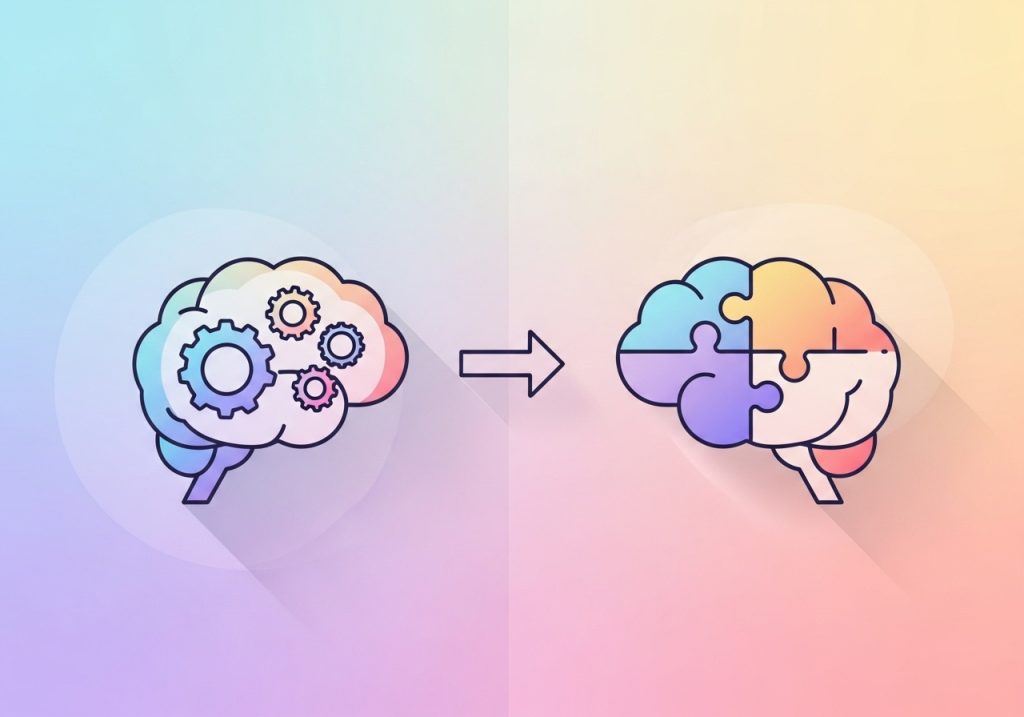
The key to using rote learning effectively is to treat it as a starting point, not an end goal. The objective is to pair memorization with activities that foster deep comprehension. This strategic balance ensures that learners not only know the facts but also understand their meaning, context, and application.
Here’s how you can create that balance:
- Start with Rote, Follow with Context: Use repetition to introduce foundational facts. Once the learner can recall the information, immediately connect it to its meaning. For example, after practicing sight words with flashcards, have the child use those words to build simple sentences or find them in a favorite storybook.
- Connect to Real-World Applications: Help learners see how memorized information is relevant to their lives. After memorizing multiplication tables, work on word problems involving shopping or sharing snacks. When learning a phone number, practice making a pretend phone call.
- Encourage Explanation: Ask “why” and “how” questions. If a student has memorized a scientific fact, ask them to explain the concept behind it. This pushes them beyond simple recall and encourages them to process the information on a deeper level.
- Use Multi-Sensory Approaches: Combine rote practice with hands-on activities. Write spelling words in sand or with shaving cream. Use blocks or counters to represent math facts. Creating physical and sensory associations with the information can strengthen both memory and understanding.
By integrating these approaches, you help learners build a strong mental framework where new knowledge can be stored and connected. Memorized facts become useful tools for thinking, not just isolated data points.
Step 5: Practical Rote Learning Activities and Tools
Incorporating rote learning into your teaching or therapy sessions does not have to be monotonous. There are many engaging ways to practice repetition that can make the process more effective and enjoyable for learners. The goal is to provide structured opportunities for repeated exposure to the information in a supportive way.
Here are some practical activities and tools you can use:
- Flashcards: This classic tool is perfect for math facts, sight words, vocabulary, and more. Keep sessions short and frequent for the best results. You can make it a game by timing how quickly a learner can get through the stack or sorting cards into “know” and “practice” piles.
- Songs, Rhymes, and Chants: Setting information to a rhythm or melody is a powerful memory aid. The alphabet song is a prime example. You can create simple songs or chants for almost anything, from spelling rules to steps in a process.
- Mnemonic Devices: These are memory tricks that help associate information with a more memorable phrase, image, or acronym. For example, “My Very Excellent Mother Just Served Us Noodles” helps remember the order of the planets. Creating mnemonics can be a fun and creative activity in itself.
- Digital Apps and Games: Many educational apps and websites offer gamified drills for practicing foundational skills. These can provide immediate feedback and make repetitive practice more engaging for tech-savvy learners.
- Structured Worksheets and Drills: Sometimes, simple, focused practice is what’s needed. Well-designed worksheets that provide repeated, structured exposure to a skill can be very effective. It is important to plan engaging activities for your learners that meet them at their current skill level to build confidence.
When selecting a tool, consider the learner’s preferences and the nature of the information being memorized. Varying the activities can help maintain interest and reinforce learning across different modalities.
Understanding the rote learning def allows us to see this method for what it is: a specialized tool with a clear purpose. It is not the entire toolbox, but it is an important component for building a strong foundation of knowledge. By using rote memorization strategically to establish automaticity with essential facts, we empower our learners. We give them the building blocks they need to confidently tackle more complex challenges. The ultimate goal is to balance repetition with rich, meaningful learning experiences that foster critical thinking, problem-solving, and a genuine love of discovery. When used with intention, rote learning helps pave the way for deeper, more lasting comprehension.
Ready to put these strategies into practice? The Inspiring OT offers a wide range of practical, low-prep resources designed by an occupational therapist to support skill development. From fine motor activities to handwriting guides, our printable tools help make learning engaging and effective. Explore our shop to find the right materials to support your learners’ growth.
Leave a Reply