
Navigating a child’s big emotions can be one of the most challenging aspects of caregiving, therapy, and teaching. When a child becomes dysregulated, their behavior can escalate quickly, leaving adults feeling overwhelmed and unsure of how to respond effectively. The key to managing these moments is not just reacting in the heat of the moment, but proactively teaching effective de-escalation skills. These strategies empower children to recognize their rising emotions and use healthy coping mechanisms to return to a state of calm. This guide provides a step-by-step process for therapists, educators, and parents to help children build this crucial emotional regulation toolkit.
Step 1: Understand the Foundation: Co-Regulation and Safety
Before any teaching can happen, it’s essential to understand the concept of co-regulation. A child who is overwhelmed and escalating is in a state of distress, often referred to as “fight, flight, or freeze.” Their brain is not receptive to logic, reasoning, or learning. Your initial and most important role is to be a calm, steady presence. Co-regulation is the process where your own regulated nervous system helps soothe and organize the child’s dysregulated state. By remaining calm yourself, you provide an external source of stability that the child can borrow from.
Your primary goal is to ensure the child feels safe, both physically and emotionally. This means putting aside any immediate disciplinary action or attempts to discuss the behavior. Instead, focus on creating a non-threatening environment. Use a soft tone of voice, keep your body language open and relaxed, and give the child physical space. Your calm demeanor communicates that you are in control and that you are there to help, not to punish. This foundation of safety and co-regulation is the necessary first step before any de-escalation strategy can be successful.
Step 2: Prepare a Calming Environment Proactively
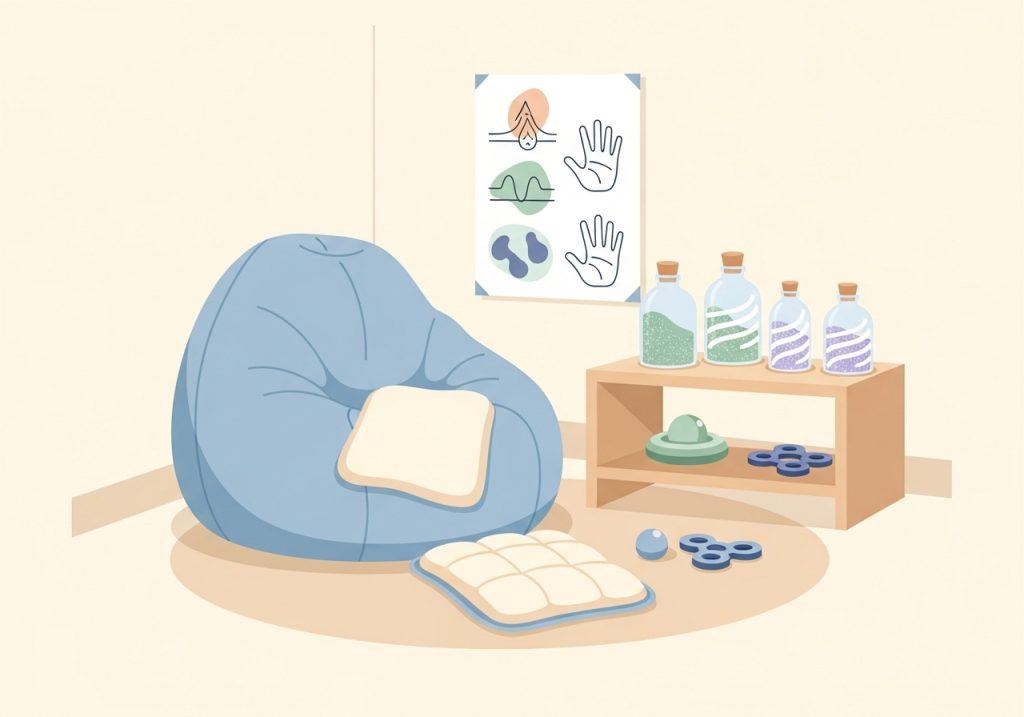
A reactive approach to emotional meltdowns is far less effective than a proactive one. One of the best ways to prepare is by creating a designated calming space. This isn’t a timeout or a place for punishment, but rather a safe retreat that the child can choose to use when they feel their emotions growing too big. Work with the child to design this space when they are calm and happy. Let them help pick the location and the items that go in it.
This “calm-down corner” or “peace place” should be equipped with items that appeal to their sensory needs and preferences. This might include soft pillows, a weighted blanket or lap pad, noise-reducing headphones, books with soothing pictures, or quiet fidget tools. The key is that these items should be calming, not stimulating. Having this space established ahead of time provides a concrete, predictable place for the child to go, reducing the chaos of an escalating situation and giving them a sense of control over their own regulation process.
Step 3: Model Calmness and Validate Emotions
During an escalating event, your own emotional state is a powerful tool. Children are highly attuned to the non-verbal cues of adults, and they will often mirror the energy in the room. If you become tense, raise your voice, or show frustration, it will likely add fuel to their emotional fire. Practice taking your own deep breaths, keeping your voice low and even, and maintaining a neutral facial expression. This modeling of self-regulation is a form of teaching in itself.
At the same time, it is critical to validate the child’s feelings. Validation does not mean you agree with their behavior, it simply means you acknowledge that their emotion is real. Use simple, empathetic statements like, “I can see you are very angry right now,” or “It’s frustrating when your blocks fall over.” This act of naming the emotion helps the child feel seen and understood. It reduces their need to escalate their behavior to show you how upset they are. When a child feels heard, they are much more likely to accept your help in calming down.
Step 4: Teach Concrete De-escalation Skills During Neutral Times
The middle of a meltdown is not the time to teach a new skill. The brain’s learning centers are effectively offline. Instead, you must introduce and practice de-escalation skills when the child is calm, regulated, and receptive. Think of it like a fire drill; you practice when there is no fire so you know what to do when there is one. Set aside short, playful sessions to work on these strategies. This follows a similar approach for teaching a specific set of skills in any other area of development.
Some effective and simple techniques to teach include:
- Belly Breathing: Teach the child to put their hands on their stomach and feel it rise and fall as they breathe in slowly through their nose and out through their mouth. You can use fun analogies like “smell the flower, blow out the candle.”
- Counting: Practice counting slowly to five or ten. This simple cognitive task can help distract from the intense emotion and ground the child in the present moment.
- Progressive Muscle Relaxation: Guide them to squeeze their fists or toes tightly for a few seconds and then release them, noticing the difference between tense and relaxed.
- Sensory Input: Practice using a stress ball, pushing against a wall, or getting a tight hug (if they find that calming). This provides proprioceptive input that can be very organizing for the nervous system.
By practicing these regularly, the skills become more automatic, making it easier for the child to access them when they actually need them.

Step 5: Use Visual Supports and Simple Language
When a child is escalated, their auditory processing abilities diminish significantly. They may not be able to understand or follow complex verbal instructions. This is where visual supports and simple language become invaluable. Keep your verbal prompts short, clear, and direct. Instead of saying, “You need to calm down and think about what you did,” you might say, “Let’s go to the calm corner,” or “Take a deep breath.”
Create visual aids that illustrate the de-escalation skills you have practiced. This could be a chart with pictures of a child doing belly breaths, a flipbook showing different calming choices, or a “feelings thermometer” that helps them identify their emotional intensity. During a difficult moment, you can quietly point to a visual cue. This removes the pressure of verbal commands and gives the child a clear, simple reminder of the tools they have available to them. These visuals act as a non-confrontational guide, helping them move toward self-regulation independently.
Step 6: Reflect and Reinforce After the Event
Once the emotional storm has passed and the child is completely calm and re-engaged, it is time for a brief reflection. This is not a time for lecturing or shaming. The goal is to connect and problem-solve together. Wait at least 20-30 minutes after they have regulated before bringing it up. You can start by saying something like, “That was a really tough moment earlier. You were so angry. I noticed you took three deep breaths. That was a great choice.”
This conversation should be short and focused on what worked. By highlighting their success, no matter how small, you are reinforcing the use of their de-escalation skills. This positive reinforcement makes it more likely they will try that strategy again in the future. You can also briefly talk about the trigger and brainstorm what they could do differently next time. This process builds self-awareness and helps the child understand the connection between their feelings, their actions, and the strategies that help them feel better.
Teaching de-escalation skills is an ongoing process that requires patience, consistency, and a strong, supportive relationship. By focusing on co-regulation, preparing the environment, and practicing skills during calm times, you can equip children with the tools they need to manage their big emotions effectively. Every successful de-escalation is a step toward building lifelong emotional resilience.
Ready to build a complete toolkit for emotional regulation, fine motor skills, and sensory processing? The Inspiring OT offers a wide range of practical, evidence-informed resources designed by an experienced occupational therapist. Explore our engaging, low-prep activities and guides to support skill growth in your therapy sessions, classroom, or at home. Visit The Inspiring OT shop today to find the perfect tools to help your learners succeed.
Leave a Reply