
Teaching students to advocate for themselves is one of the most powerful skills we can support. Self-advocacy empowers learners to understand their strengths and challenges, communicate their needs, and take an active role in their own education. For students with Individualized Education Programs (IEPs), these skills are essential for success in school and beyond. Creating meaningful goals can feel challenging, so we’ve gathered a list of practical self-advocacy IEP goals examples to help you guide your students toward greater independence and confidence.
These goals are designed to be adaptable for different ages and ability levels, providing a solid foundation for therapists, teachers, and parents to build upon. By focusing on specific, measurable actions, you can help students learn to use their voices effectively.
Goal 1: Student Will Request a Break or Alternative Seating
This goal focuses on helping a student recognize signs of sensory overload or fatigue and use a predetermined signal or phrase to request a necessary break or a change in seating. It’s a foundational self-advocacy skill that supports self-regulation and classroom participation. When students can ask for what they need to feel comfortable and focused, they are better prepared to learn.
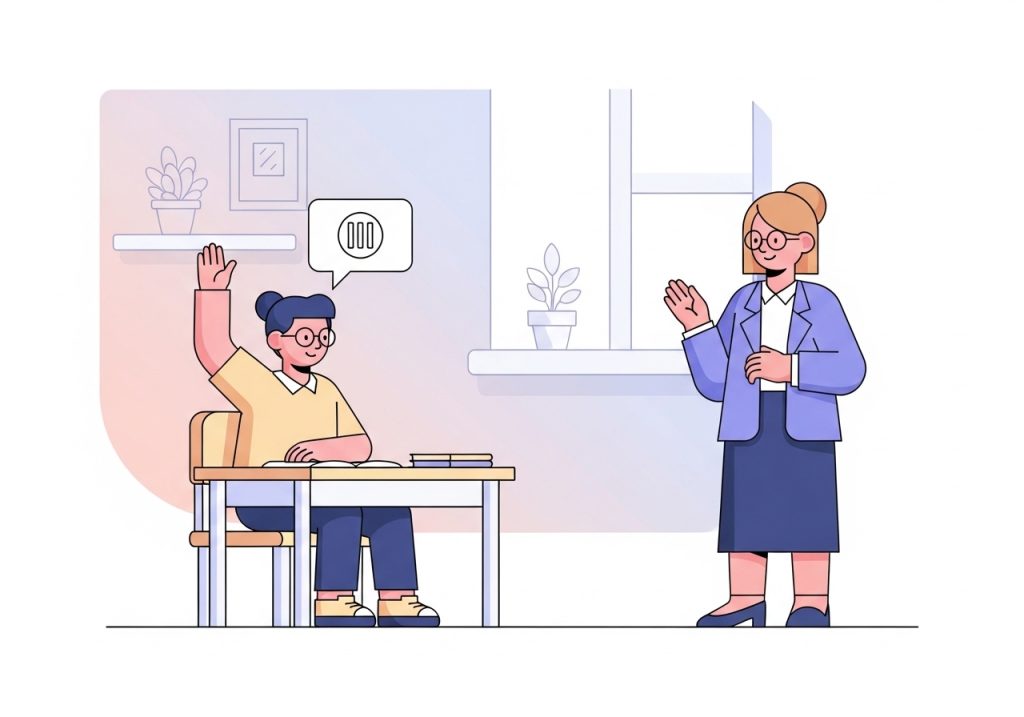
This is directly tied to a student’s awareness of their own sensory system. Providing effective sensory adaptations in the learning environment gives them choices to request, such as a wiggle cushion, a quiet corner, or five minutes of movement.
How to Make It Measurable:
- Condition: During independent work time or small group instruction when showing signs of restlessness (e.g., tapping feet, wiggling in chair).
- Behavior: The student will use a communication card or verbally state, “I need a break” or “Can I use the wobble stool?”
- Criterion: The student will independently make the request in 4 out of 5 observed opportunities, with no more than one adult prompt.
Goal 2: Student Will Identify and Express One Learning Need
The objective is for the student to identify a specific challenge in a task and communicate it to a teacher or therapist. This moves beyond simply saying “I don’t get it” to pinpointing the source of confusion. This skill is critical for preventing frustration and ensuring the student receives targeted support exactly when it’s needed.
How to Make It Measurable:
You can start by providing sentence starters and gradually fade them as the student gains confidence. The goal is to build their vocabulary for expressing academic needs.
- Condition: When presented with a multi-step direction or a new academic task.
- Behavior: The student will raise their hand and articulate a specific point of confusion, such as “Can you explain the directions again?” or “I don’t know what this word means.”
- Criterion: Across three different subjects, the student will express a learning need with specific language in 3 out of 4 instances where they demonstrate confusion (e.g., stopping work, looking around).
Goal 3: Student Will State a Preferred Accommodation
This goal encourages the student to select and verbally request an accommodation from their approved list. It requires the student not only to know they need help but also to know what specific tool or strategy helps them learn best. This is a significant step toward owning their learning process. According to Understood.org, self-advocacy is an important skill for all learners, especially those with learning and thinking differences.
How to Make It Measurable:
A visual menu of available accommodations can be a helpful tool. The goal is to move from adult-suggested accommodations to student-initiated requests.
- Condition: Before beginning a writing assignment, math worksheet, or reading passage.
- Behavior: The student will independently select and request an appropriate accommodation, such as “I need to use the graphic organizer” or “Can I listen to the audio version?”
- Criterion: The student will request an accommodation from their IEP list prior to starting a task in 3 out of 5 opportunities per week, as documented by the teacher.
Goal 4: Student Will Participate in IEP Meetings
With this goal, the student prepares and shares one strength, one challenge, or one goal suggestion during their IEP meeting, with support from an adult as needed. Even minimal participation can be incredibly empowering. It shifts the dynamic of the meeting from being about the student to being with the student, making them a central part of the team. This is especially important when discussing the key components of an IEP for autism and other developmental differences, where student perspective is invaluable.
How to Make It Measurable:
Preparation is key. Work with the student beforehand to create a script, a simple slide presentation, or a one-page summary they can read or refer to.
- Condition: During their annual IEP meeting.
- Behavior: The student will share at least one pre-written statement about their learning preferences, strengths, or a goal they want to work on.
- Criterion: With the support of a trusted adult, the student will present their contribution to the IEP team, which will be documented in the meeting notes.
Goal 5: Student Will Politely Decline Non-Essential Help
This supports independence by teaching the student to recognize when they can complete a task on their own and communicate that desire. For many students who are used to receiving support, it can be hard to refuse help. This skill builds confidence and reduces the risk of learned helplessness, where a student becomes overly dependent on adult assistance.
How to Make It Measurable:
Role-playing different scenarios can help students practice the language for this skill in a safe environment before they use it in the classroom.
- Condition: When an adult (teacher, paraprofessional, or parent) offers help on a task the student feels confident attempting independently.
- Behavior: The student will use a polite phrase to decline assistance, such as “Thank you, but I want to try it myself first” or “I’ve got it for now.”
- Criterion: In 3 out of 5 observed situations where help is offered for a mastered or familiar task, the student will decline assistance appropriately.
More Self-Advocacy IEP Goals Examples
This section provides additional goal ideas that can be tailored to individual student needs. Self-advocacy is a broad skill set, and goals can target many different areas of communication and self-awareness. Several sources offer extensive lists of measurable self-advocacy goals that can be adapted for various ages and needs.
- Asking for Clarification: By the end of the IEP period, when given verbal instructions, the student will ask at least one clarifying question (e.g., “Can you repeat that?”) in 80% of opportunities to ensure understanding.
- Explaining Learning Style: The student will create and share a one-page summary or short presentation explaining their learning style and what helps them learn best to each of their new teachers at the beginning of the school year.
- Correcting Others: When another person misrepresents their disability or needs, the student will politely correct them with a factual statement (e.g., “I’m not being difficult; my hands just get tired when I write a lot”) in 2 out of 3 situations.
- Setting Personal Goals: In monthly check-ins with their case manager, the student will identify one academic or functional skill they want to improve and suggest one action step to work toward it.
How to Measure Progress on Self-Advocacy Goals
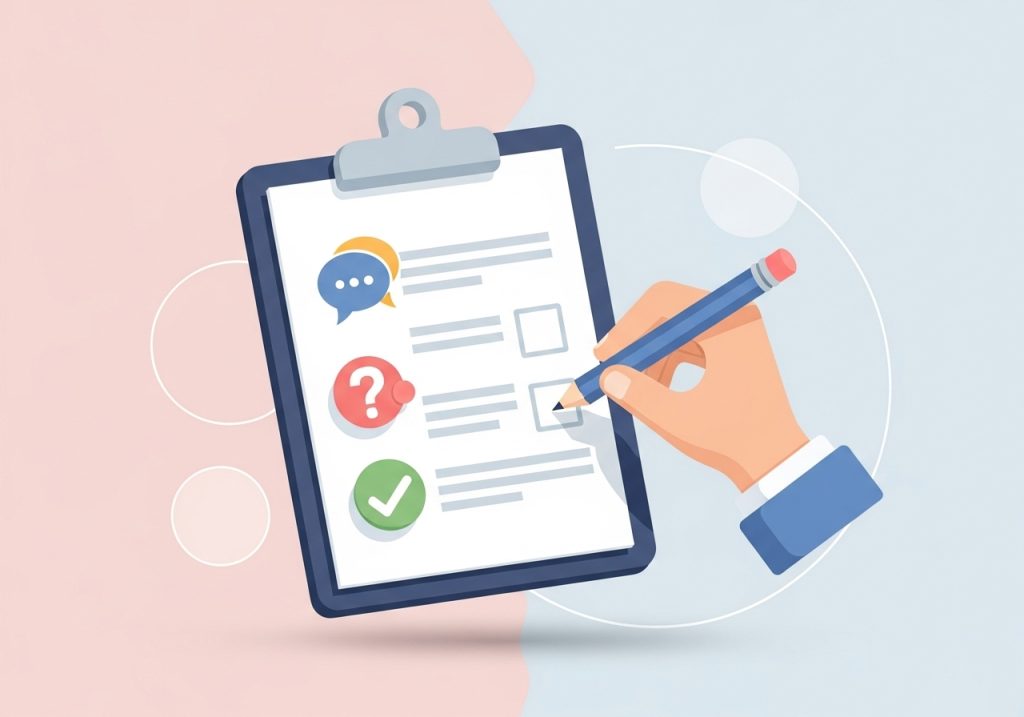
Learn how to track these skills using methods like frequency counts, rating scales, and anecdotal records to gather objective data on the student’s progress toward independence. Since self-advocacy is a social and communication skill, data collection often needs to be observational and consistent. The key is to define the target behavior clearly so that anyone on the team can track it reliably.
Effective Data Collection Methods:
- Frequency Count: Use a simple tally sheet to mark every time the student independently demonstrates the target skill (e.g., requests a break, asks a question). This is best for discrete, easily observed behaviors.
- Data Sheets with Prompt Levels: Create a chart to record not just whether the student performed the skill, but also the level of prompting required (e.g., independent, verbal prompt, gestural prompt). This shows progress toward independence.
- Anecdotal Records: Keep a notebook or digital document to jot down short, objective observations. For example: “During math, Sam said, ‘This is too loud for me to think.’ I prompted him to ask for his headphones, which he did.” These notes provide valuable context.
- Student Self-Rating Scales: For older students, create a simple scale where they can rate their own confidence or use of a skill in different situations. For example, “How easy was it for you to ask for help today? (1=very hard, 5=very easy).” This incorporates the student’s perspective into progress monitoring.
Developing self-advocacy skills is a journey, not a destination. By incorporating specific, measurable goals into the IEP, you provide students with a clear roadmap to becoming confident, independent learners who can effectively communicate their needs. Start with small, achievable steps and celebrate every success along the way. These efforts build a foundation that will support them throughout their academic careers and into adulthood.
Ready to put these strategies into action? Finding the right tools can make all the difference. The Inspiring OT offers a collection of practical, OT-designed resources to support skill development in learners of all needs. Explore our shop for printable activities, assessments, and guides that make building skills engaging and effective. Find your next great resource today at The Inspiring OT on Teachers Pay Teachers.
Leave a Reply