
Understanding the relationship between actions and consequences is a fundamental part of a child’s development. This skill, known as cause and effect reasoning, is the foundation for critical thinking, problem-solving, and social awareness. For therapists, educators, and parents, teaching this concept is essential. Structured tools like cause and effect worksheets can provide a clear and effective way to introduce and reinforce these important connections, turning abstract ideas into concrete learning opportunities.
What is Cause and Effect Reasoning?
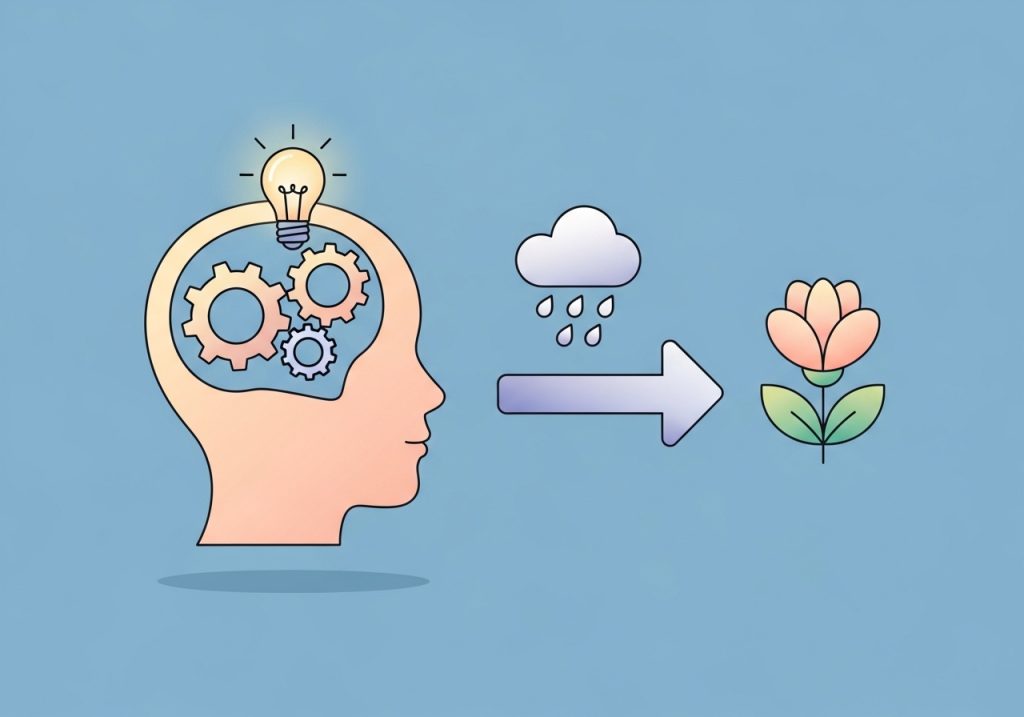
Cause and effect reasoning is the ability to understand that one event (the cause) makes another event happen (the effect). It is about connecting the “why” to the “what.” For a young learner, this might be as simple as knowing that flipping a switch causes a light to turn on or that dropping a glass causes it to break. This thinking process helps children make sense of the world around them by organizing events into logical chains. Without this skill, the world can seem random and unpredictable.
This cognitive ability allows a child to move beyond simple observation to active analysis. They begin to predict outcomes, understand sequences, and see how their own actions impact their environment. It’s a crucial step in developing agency and independence, as children learn that their choices have direct and tangible results.
Why is Teaching Cause and Effect Important for Development?
Developing a strong grasp of cause and effect supports growth in several key areas. It is not just an academic skill. It is a practical life skill that impacts daily interactions and decisions. A child’s ability to identify these connections has a direct influence on their academic success, social competence, and personal responsibility.
- Problem-Solving and Decision-Making: When children can predict the outcome of an action, they can make better choices. They learn that if they do not finish their homework (cause), they will not have time to play (effect). This foresight is essential for navigating challenges, from simple daily tasks to more complex social situations.
- Reading Comprehension: Understanding plot in stories depends on recognizing cause and effect. A character makes a choice, which leads to a specific event. This skill helps readers follow narratives, understand character motivations, and make inferences about what might happen next. It is closely related to other comprehension skills, and you can learn more about strategies to help learners find the main idea.
- Social Skills: Social interactions are full of cause-and-effect scenarios. If a child takes a toy from a friend (cause), the friend might become upset (effect). Recognizing these links is critical for developing empathy, perspective-taking, and appropriate social behaviors. It helps them understand why sharing leads to positive interactions and why unkind words can cause hurt feelings.
- Executive Functioning: Skills like planning and organization depend on thinking ahead and anticipating consequences. A child who understands cause and effect can better plan the steps needed to complete a project, get ready for school on time, or manage their emotional responses. They can see that an outburst might lead to a timeout, helping them develop self-regulation.
How to Use Cause and Effect Worksheets Effectively
Worksheets provide a structured format for practicing this skill. They can isolate the concept and present it in a clear, visual way. The key is to use them as a starting point for conversation and deeper thinking, not just as a busy-work activity. Here are some strategies to make your use of cause and effect worksheets more productive and engaging.
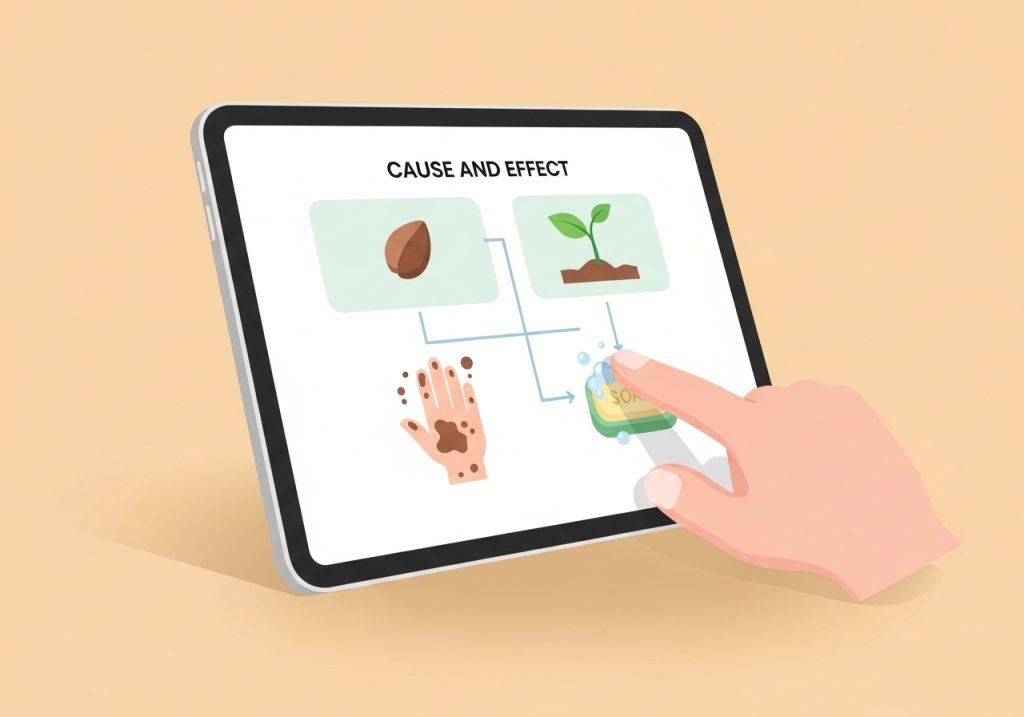
- Start with Clear Visuals: For younger learners or those just beginning with the concept, use worksheets that rely heavily on pictures. Activities like matching a picture of a cause (e.g., a child running with scissors) to its effect (e.g., a bandaged finger) make the relationship concrete. Visuals reduce the cognitive load of reading, allowing the child to focus solely on the logical connection.
- Talk Through the Logic: Do not just have the child complete the sheet. Discuss their answers. Use it as a tool for conversation. Ask questions like, “Why do you think this happened?” or “What could have happened instead if the character made a different choice?” This verbal processing helps solidify their understanding and encourages metacognition.
- Connect to Personal Experiences: Relate the scenarios on the worksheet to the child’s own life. If the worksheet shows spilling juice leads to a sticky floor, you could say, “Remember when we spilled juice yesterday? We had to get a cloth to clean it up.” This personalization makes the concept relevant and helps the child transfer the skill from the paper to their real world.
- Progress from Simple to Complex: Begin with single, obvious cause-and-effect pairs. As the learner becomes more confident, introduce worksheets that involve multiple steps, require short written answers, or explore less obvious consequences. You can move from picture matching to fill-in-the-blank sentences, and eventually to having the child write their own cause and effect scenarios.
Beyond the Worksheet: Activities to Reinforce Cause and Effect
Worksheets are an excellent tool, but learning is most effective when reinforced in different contexts. You can use everyday situations and play-based activities to practice cause and effect reasoning and help children generalize the skill.
- Use Storytelling: While reading a book, pause and ask predictive questions. “The character forgot her umbrella. What do you think will happen when she goes outside and it’s raining?” After the event happens, confirm the connection: “See? Because she forgot her umbrella, she got wet.”
- Conduct Simple Experiments: Hands-on science is a perfect way to see cause and effect in action. Activities like mixing colors, planting a seed, or building with blocks are natural lessons. If we add blue and yellow paint, what is the effect? If we don’t water this seed, what will happen? Documenting the steps and outcomes can make the learning even more explicit.
- Narrate Daily Routines: Talk about the cause and effect of daily actions as they happen. This “thinking aloud” models the cognitive process. For example, say “Because we are turning on the stove, the pan will get hot.” or “You finished all your dinner, so now you can have dessert.” This makes the connections automatic and part of their everyday understanding.
- Play Sequencing Games: Use picture cards that show a sequence of events and have the child put them in order. Then, ask them to explain why one event caused the next. This builds both sequencing and cause and effect skills.
Choosing the Right Resources for Your Learners
When selecting cause and effect worksheets and activities, consider the learner’s developmental stage and individual needs. Look for resources with clear instructions, uncluttered visuals, and engaging content that aligns with their interests. The goal is to build confidence and make learning feel successful, not frustrating. A worksheet that is too difficult can discourage a child, while one that is too simple may not provide enough of a challenge to promote growth.
Materials that can be adapted for different skill levels are particularly useful in a classroom or therapy setting. For example, a worksheet might include both picture-matching and a fill-in-the-blank sentence to challenge different learners within the same group. Finding quality, low-prep resources created by a professional can save you valuable time while ensuring the content is appropriate and effective.
By using targeted worksheets and reinforcing the concept in daily life, you can help children build the logical reasoning skills they need to navigate their world successfully. These tools provide a clear starting point for developing a skill that will support their academic, social, and emotional growth for years to come.
Ready to help your learners master critical thinking? The Inspiring OT offers a variety of practical, evidence-informed resources designed by an experienced occupational therapist. Explore our collection of engaging, low-prep worksheets and activities to support cause and effect reasoning and other essential skills. Visit The Inspiring OT shop on Teachers Pay Teachers to find the perfect tools for your classroom, therapy session, or home.
Leave a Reply