
As occupational therapists, educators, and parents, we often talk about helping children develop essential skills for school and life. Two terms that come up frequently are “gross motor” and “fine motor.” While they both relate to movement, they describe very different abilities. Understanding the distinction in the great debate of gross motor skills vs fine motor skills is fundamental to supporting a child’s development. Knowing how they differ, and more importantly, how they work together, allows us to create effective, targeted activities that build a strong foundation for learning and independence.
Understanding the Foundation of Movement: Motor Skills
Before we compare the two, it’s helpful to understand what motor skills are. In simple terms, motor skills are movements carried out when the brain, nervous system, and muscles work together. Children learn to master these skills through practice and repetition, which is why play is so critical. Every action, from a baby learning to roll over to a student writing a sentence, depends on the successful coordination of these motor abilities. They are the physical building blocks for nearly every task a child will encounter.
What Are Gross Motor Skills?
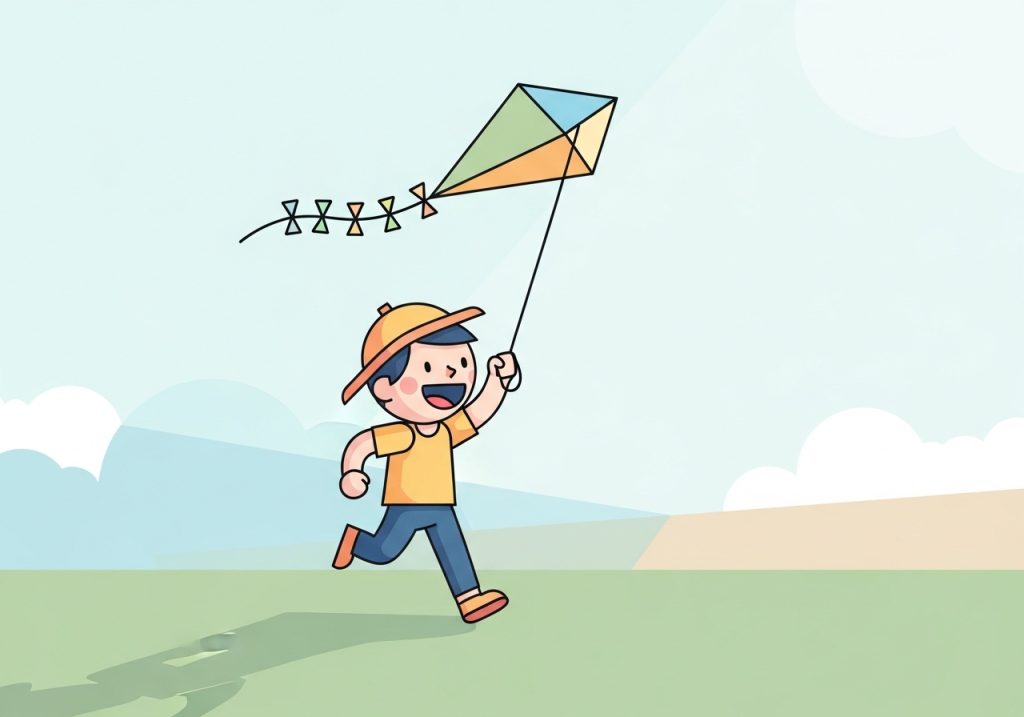
Gross motor skills involve the large muscles of the body that control the arms, legs, and torso. These are the whole-body movements we use for mobility, balance, and coordination. When a child runs across a playground, jumps over a puddle, or climbs a set of stairs, they are using their gross motor skills. These abilities are essential for physical strength, stability, and navigating the environment safely and effectively.
Developing strong gross motor skills provides the core stability necessary for more complex tasks. A child who has good core strength and balance can sit upright at a desk without tiring, which directly impacts their ability to focus on classroom activities. Examples of gross motor skills include:
- Walking, running, and skipping
- Jumping and hopping
- Climbing on playground equipment
- Throwing, catching, and kicking a ball
- Riding a bicycle or scooter
- Swimming
What Are Fine Motor Skills?
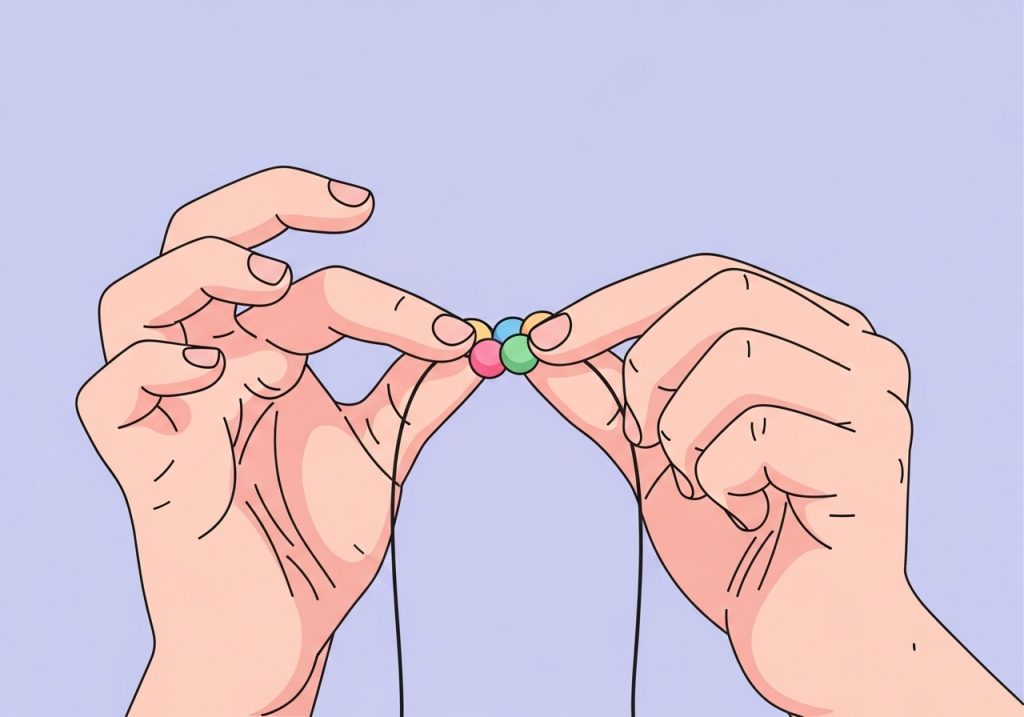
Fine motor skills involve the small muscles in the hands, fingers, and wrists. These skills are responsible for precise, controlled movements required for tasks like writing, drawing, and manipulating small objects. They are critical for self-care activities such as buttoning a shirt, zipping a jacket, and using utensils to eat. In an academic setting, well-developed fine motor skills are essential for handwriting, cutting with scissors, and handling classroom materials.
Refining these abilities allows a child to perform detailed work with increasing accuracy and speed. Because so many school-based tasks rely on these movements, supporting fine motor and visual skill development is a common goal in therapy and the classroom. Examples of fine motor skills include:
- Holding a pencil or crayon correctly (pincer grasp)
- Writing, drawing, and coloring
- Cutting paper with scissors
- Building with small blocks or LEGOs
- Threading beads onto a string
- Using a fork and spoon
- Tying shoelaces
The Key Differences: Gross Motor Skills vs Fine Motor Skills
The primary distinction between gross motor skills vs fine motor skills lies in the muscle groups they use and the type of movements they produce. Gross motor skills are about power and coordination on a large scale, while fine motor skills are about precision and dexterity on a small scale. One isn’t more important than the other; they are simply different components of a child’s overall physical development.
Here is a simple breakdown of the main differences:
- Muscle Groups: Gross motor skills use the large muscles of the torso, arms, and legs. Fine motor skills use the small, intrinsic muscles of the hands and fingers.
- Movement Scale: Gross motor movements are large and expansive, like running or jumping. Fine motor movements are small and localized, like picking up a single bead.
- Core Function: The main function of gross motor skills is locomotion and body posture. The function of fine motor skills is object manipulation and hand-eye coordination.
- Developmental Order: Children typically develop gross motor control before fine motor control. A baby learns to roll over and sit up (gross motor) before they can precisely pick up a small piece of food (fine motor).
How Gross and Fine Motor Skills Work Together
Perhaps the most important concept for therapists and educators to understand is that gross and fine motor skills are deeply connected. Strong gross motor abilities provide the necessary foundation for refined fine motor tasks. This principle is often described as “proximal stability for distal mobility,” meaning that stability in the core and shoulder muscles allows for controlled movement in the hands and fingers.
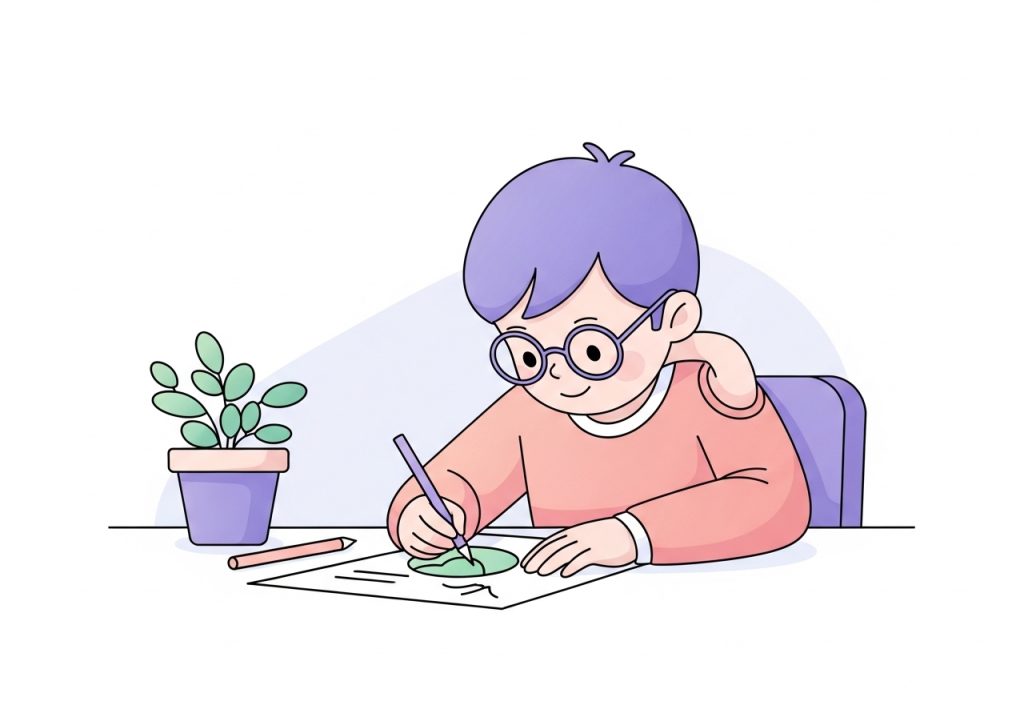
Think about a child writing at a desk. To hold a pencil and form letters correctly, they need more than just finger strength. They must have enough core strength to sit upright without slouching. They need shoulder and arm stability to position their hand correctly on the paper. Without that foundational gross motor control, the small muscles in the hand cannot do their job effectively. The child may fatigue quickly, have messy handwriting, or struggle to keep up with written work.
Another example is catching a ball. The large muscles of the arms and torso work to get the body in position, while the small muscles of the hands and fingers adjust to grasp the ball. The two systems work in constant partnership to achieve countless daily tasks.
Activities to Support Motor Skill Development
Supporting both types of motor skills does not have to be complicated. Integrating purposeful play and activities into a child’s routine can make a significant impact. The goal is to provide varied opportunities for movement that challenge different muscle groups in fun, engaging ways.
Gross Motor Activity Ideas
- Playground Fun: Encourage climbing, swinging, and sliding. These activities build strength, coordination, and balance.
- Build an Obstacle Course: Use pillows, boxes, and furniture to create a course that involves crawling, climbing over, and balancing.
- Dance Party: Put on some music and encourage free movement, jumping, and spinning.
- Animal Walks: Have children imitate different animals, like bear crawls, frog jumps, or crab walks, to engage different large muscle groups.
- Outdoor Play: Kicking a soccer ball, playing tag, or riding a scooter are excellent ways to build gross motor endurance and coordination.
Fine Motor Activity Ideas
- Play-Doh and Clay: Squeezing, rolling, and pinching modeling dough strengthens hand muscles.
- Arts and Crafts: Cutting with scissors, gluing small pieces, drawing, and painting help refine hand-eye coordination. Many wonderful summer activities for afterschoolers focus on these skills.
- Building Toys: Blocks, LEGOs, and magnetic tiles encourage precise placement and manipulation.
- Kitchen Helper: Tasks like stirring batter, tearing lettuce, or using a cookie cutter are great for building hand strength and control.
- Puzzles and Lacing Cards: Picking up and fitting puzzle pieces or threading a string through holes are fantastic for developing a pincer grasp and precision.
By understanding the difference between gross and fine motor skills and their interconnected relationship, we can better support the children we work with. A child’s ability to run and play on the playground is just as important as their ability to write their name. Both skill sets are crucial for their confidence, independence, and overall success. The key is to provide a balanced diet of activities that nurture the whole child, from their large-scale movements to their most detailed manipulations.
Ready to support skill development with practical, engaging resources? The Inspiring OT offers a wide range of downloadable activities designed by a licensed occupational therapist to build fine motor, visual motor, and life skills. Explore our collection of low-prep printables to make learning effective and fun.
Leave a Reply