
Self-regulation zones are a visual framework that uses four colors to help children understand and manage their emotions and levels of alertness. This approach provides a simple, concrete way to categorize complex feelings, making it easier for children to identify how they are feeling and learn strategies to regulate their responses. It is a tool frequently used in occupational therapy, special education, and general education classrooms to support emotional intelligence and self-control.
What Are Self-Regulation Zones?
The concept of self-regulation zones is a cognitive-behavioral approach designed to teach self-regulation by categorizing feelings and states of alertness into four colored zones. Originally developed by occupational therapist Leah Kuypers, The Zones of Regulation framework moves away from labeling emotions as good or bad. Instead, it helps children recognize their internal state and provides them with the tools to manage it effectively. The framework is built on the idea that everyone experiences all of the zones at different times, and the goal is to develop a toolbox of strategies to navigate them. It empowers children by teaching them to become more aware of their bodies and feelings, recognize their triggers, and use strategies to adjust their level of alertness.
Why This Color-Coded Framework is Effective
Using colors to represent emotional states is effective for several reasons, especially for children and individuals with communication or processing challenges.
- Provides a Common Language: The zones create a simple vocabulary for talking about feelings that is easy for everyone to understand, from the child to the therapist, teacher, and parent. This shared language reduces confusion and frustration when a child is trying to express themself.
- Simplifies Complex Emotions: Feelings can be abstract and overwhelming. Assigning them to a color makes them more tangible and less intimidating. A child might find it easier to say, “I’m in the Yellow Zone,” than to articulate that they feel wiggly, anxious, and silly all at once.
- Empowers Children: The framework teaches children to become more aware of their internal states. This self-awareness is the first step toward self-regulation. When they can identify their zone, they can begin to use strategies to manage it.
- Reduces Stigma: By emphasizing that all zones are okay and expected, the framework removes the judgment often associated with big emotions. This helps children accept their feelings without shame and focus on constructive ways to respond.
Breaking Down the Four Self-Regulation Zones
Each zone corresponds to a different level of alertness and emotional state. Understanding what each color represents is key to using the framework successfully. As noted by educational guides, each zone represents a natural state that every person experiences. The goal is not to eliminate any zone, but to build awareness and coping skills.
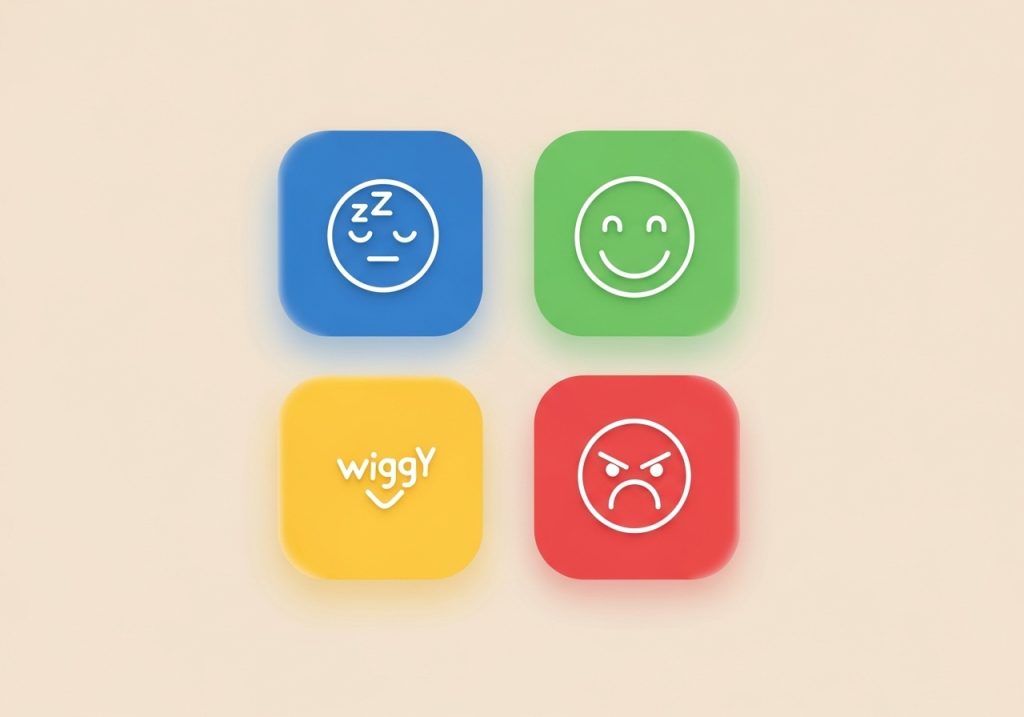
The Blue Zone: Slow
The Blue Zone describes a state of low alertness. This is when the body or brain is running slowly. It is a natural state when waking up or feeling unwell. Common feelings include:
- Sad
- Tired
- Sick
- Bored
The Green Zone: Go
The Green Zone is the ideal state for learning and social interaction. It represents a state of calm alertness. A person in the Green Zone feels in control and ready to engage. Feelings in this zone include:
- Happy
- Calm
- Focused
- Ready to learn
The Yellow Zone: Caution
The Yellow Zone describes a heightened state of alertness where some control is still present. It’s a step up from the Green Zone and can be a precursor to the Red Zone if not managed. Feelings include:
- Frustrated
- Anxious or worried
- Silly or wiggly
- Excited
The Red Zone: Stop
The Red Zone is for extremely heightened states of alertness and intense emotions. In this zone, a person may feel out of control and have difficulty thinking logically. Feelings include:
- Angry or enraged
- Terrified
- Overjoyed to the point of being out of control
- Devastated
Practical Strategies for Each Zone
The primary goal is to provide children with a toolbox of strategies to manage their zone. The specific tools will vary for each child, so it’s important to explore what works best for them. The idea is to have a plan before a difficult moment arises.
Strategies for the Blue Zone
To increase alertness and energy:
- Take a short walk
- Drink a cold glass of water
- Do some gentle stretches
- Talk to an adult about feelings
Strategies for the Green Zone
This is the goal zone for many activities, so the focus is on maintaining it. Strategies include taking breaks when needed, engaging in preferred activities, and recognizing what helps you stay focused and calm.
Strategies for the Yellow Zone
To prevent escalation and return to Green:
- Squeeze a stress ball
- Listen to calming music
- Take five deep breaths
- Take a break in a quiet corner
Strategies for the Red Zone
Safety is the first priority. The goal is to help the child calm their body and mind before trying to solve any problems. Many effective tools for this zone involve heavy work or deep pressure, often found in sensory play for preschoolers and older children.
- Go to a safe, quiet space
- Push against a wall
- Get a tight hug or use a weighted blanket (if comforting for the child)
- Deep pressure activities
Integrating Zones into Daily Routines
Consistency is vital for making the zones a useful tool. Start by introducing the colors and what they mean. Use visuals like charts or posters. You can integrate the framework into daily life by making it a predictable part of the day, much like using a visual schedule for autism and other developmental needs.
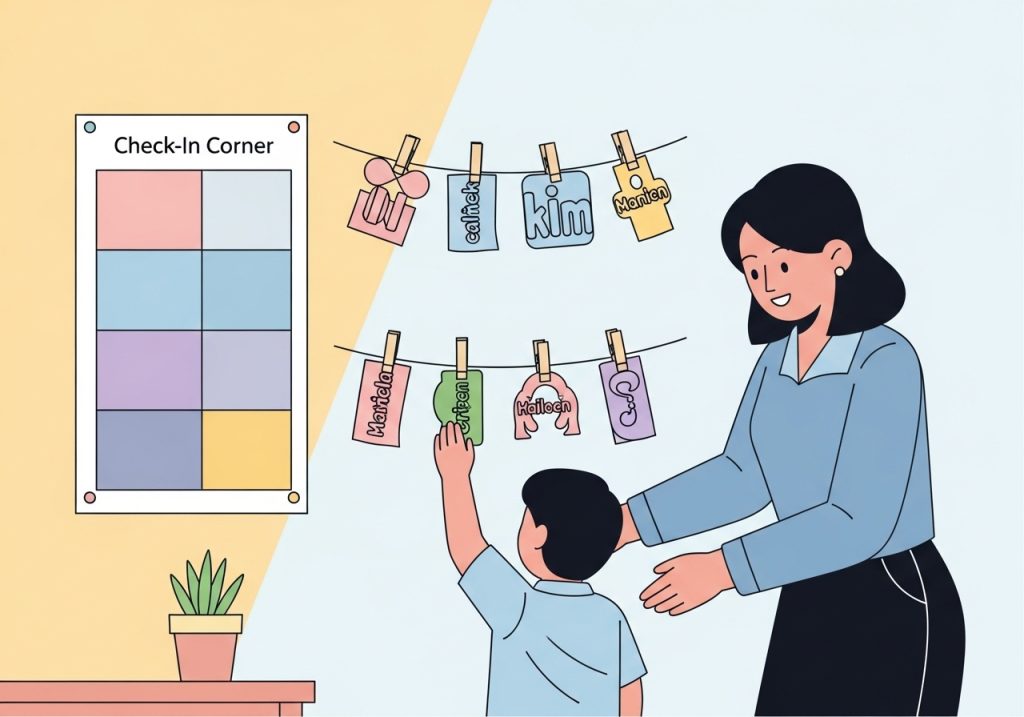
- Creating a Check-In Routine: Start the day by having children identify their zone. This can be done verbally or by moving a name tag to a colored chart. This simple act builds self-awareness without pressure.
- Modeling Your Own Zones: Adults can model self-awareness by sharing their own zone. For example, “I’m feeling in the Yellow Zone because I’m a little stressed about traffic this morning. I am going to take a few deep breaths.” This normalizes having different feelings and models a healthy response.
- Linking Zones to Activities: Talk about which zone is expected for different activities. The Green Zone is great for library time, but the Yellow Zone might be okay for playing outside at recess. This helps children understand social expectations and the concept of “expected” versus “unexpected” behaviors for a given situation.
Common Questions About Using the Zones
Is one zone better than another?
No. A key principle of this framework is that all zones are valid. There are no ‘bad’ zones. The framework helps children recognize that their feelings are normal and that they have choices in how to respond to them. The goal is to regulate zones to meet task demands, not to be in the Green Zone all the time. Happiness, excitement, sadness, and anger are all part of the human experience.
What if a child doesn’t want to participate?
Avoid forcing a child to name their zone, especially when they are in the Red Zone. The focus should be on co-regulation and providing support. You can gently offer tools or simply model the language yourself. Over time, as trust is built and the child sees the benefits, they may become more receptive. The primary purpose is to provide support, not to create another demand.
The self-regulation zones framework offers a powerful, accessible way to build emotional intelligence. By giving children a simple system to identify and communicate their feelings, we empower them with the foundational skills needed for lifelong self-management and well-being. The first step is to start using the language and introducing the colors in a supportive and non-judgmental way.
Ready to put these concepts into practice? The Inspiring OT offers a wide range of practical, OT-designed printable activities and resources to support skill development. From fine motor tasks to emotional regulation tools, our materials are created to make learning engaging and effective. Explore our shop to find easy-to-use downloads that simplify your planning and help your learners thrive.
Leave a Reply