
The end of the school year often brings a mix of excitement and exhaustion for students, educators, and therapists. While it’s tempting to wind down with unstructured free time, this period offers a valuable opportunity to reinforce skills in a fun and meaningful way. Thoughtfully planned end of year activities can help consolidate a year’s worth of learning, celebrate progress, and prepare students for a successful transition to summer. Instead of just filling time, these activities can provide therapeutic benefits that support continued growth in key developmental areas.
Why Focus on Skill-Based Activities at the End of the Year?
As routines change and anticipation for summer builds, students can become dysregulated or experience anxiety. Continuing with structured, engaging tasks helps maintain a sense of predictability and purpose. It also provides a final opportunity to observe and document student abilities in a low-stakes environment. A primary goal is to prevent the loss of skills over the long summer break. By practicing fine motor, sensory processing, and executive functioning skills right up to the last day, we help students retain their hard-earned progress. These activities also serve as a powerful celebration. Completing a memory book or a collaborative project allows students to reflect on their achievements and end the year feeling capable and confident.
Engaging End of Year Activities for Fine and Visual Motor Skills
Hands-on projects are perfect for keeping students engaged while targeting important developmental skills. These ideas require minimal preparation but offer significant therapeutic benefits, strengthening hand muscles, improving hand-eye coordination, and refining visual processing.
Create a Year-in-Review Memory Book
A memory book is a classic project that integrates multiple skills. Students can write or draw about their favorite parts of the year, friends they made, and things they learned. This activity naturally encourages:
- Handwriting and Drawing: Writing sentences and illustrating memories provides practice with letter formation, spacing, and pencil grasp.
- Cutting and Pasting: Students can cut out photos or decorative shapes to add to their pages, which refines scissor skills and bilateral coordination.
- Sequencing: Organizing the pages in a logical order helps with planning and organization.
Summer-Themed Craft Projects
Crafts centered around summer themes can build excitement for the upcoming break. For example, creating a paper plate sun involves painting, cutting paper strips for rays, and gluing them in place. An ocean diorama in a shoebox requires coloring, cutting out sea creatures, and arranging them in a three-dimensional space. These tasks are excellent for developing the hand strength and precision that define strong fine motor skills.
Make Friendship Bracelets
Making friendship bracelets with embroidery floss or beads is a fantastic activity for older elementary students. The process of tying knots, following a pattern, and handling small beads is a complex motor task that builds finger dexterity, pincer grasp, and concentration. It is also a social activity that encourages connection and gives students a tangible memento of their friendships.
Sensory and Self-Regulation Ideas for a Smooth Transition
The end of the year can be a sensory-rich and sometimes overwhelming time. Changes in schedules, special events, and the general excitement can be challenging for many students. Integrating sensory and self-regulation activities can help everyone stay calm and focused.
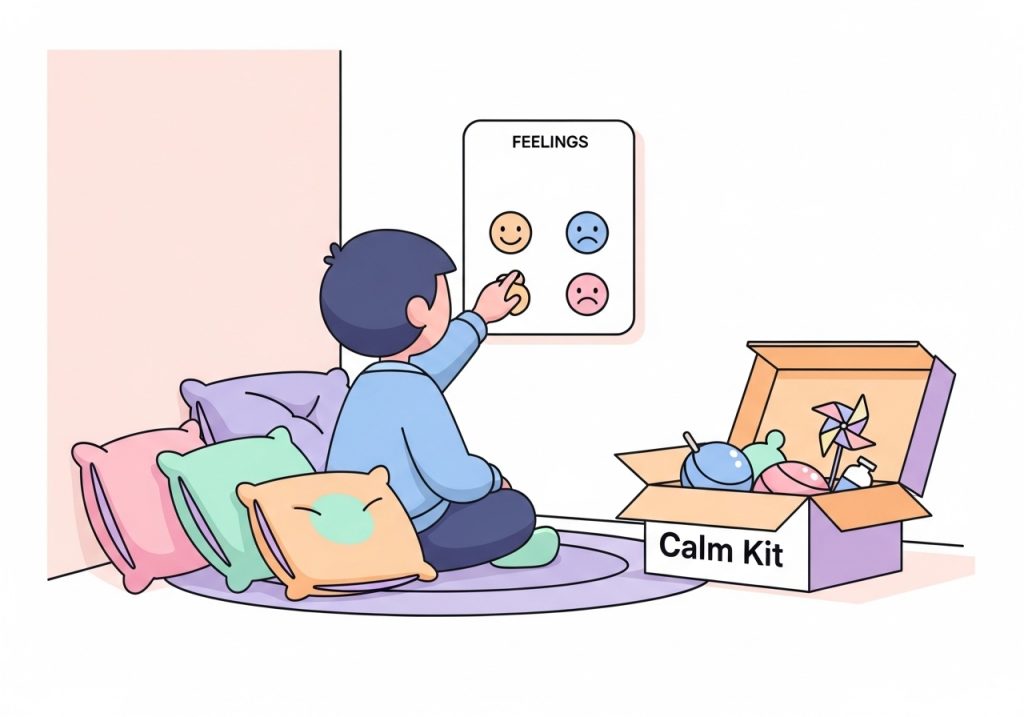
Assemble a “Summer Calm-Down Kit”
Work with students to create a personalized calm-down kit they can use over the summer. This empowers them to recognize their own sensory needs and use appropriate tools to self-regulate. Discuss what helps them feel calm and focused. The kit could be a small pouch or box containing items like:
- A small container of scented putty or dough
- A smooth stone to hold
- A pinwheel or bubbles for deep breathing practice
- A few laminated cards with calming visual strategies
- A small fidget tool
The act of choosing and decorating their kit is a valuable therapeutic activity in itself.
Take a Sensory Walk
An outdoor sensory walk encourages mindfulness and helps students connect with their environment. Guide them to focus on what they are experiencing through different senses. You could provide a simple checklist for them to find things like “something bumpy,” “something that smells sweet,” or “something that makes a crunching sound.” This is a great way to provide movement and calming sensory input without complex equipment.
Incorporate Heavy Work Tasks
Heavy work activities, which involve pushing, pulling, or carrying, provide proprioceptive input that can be very organizing and calming for the nervous system. Frame these tasks as important “end-of-year jobs.” Students can help wash desks, carry stacks of books to a storage closet, push chairs to be stacked, or help move supplies. These purposeful tasks help students feel helpful while supporting their sensory needs.
Integrating Life Skills and Executive Functioning
The end of the year is an ideal time to practice practical life skills and executive functioning. These abilities, which include planning, organizing, and task initiation, are critical for independence at home and in future academic settings.
Student-Led Classroom Cleanup
Involve students directly in organizing and packing up classroom or therapy materials. Instead of doing it yourself after they leave, turn it into a guided activity. You can break down the process into manageable steps. For example, have students sort markers that still work from those that are dried out, wipe down their own cubbies, or organize books by size on a shelf. This teaches categorization, responsibility, and following multi-step directions.
Plan a Simple Group Celebration
Planning a simple classroom party or snack can target numerous executive functioning skills. As a group, students can vote on a snack, create a list of ingredients (materials), and write out the steps needed to prepare it. Making something simple like fruit salad or trail mix involves sequencing, measuring, and cooperation. This activity gives students a sense of ownership over their celebration and makes the abstract process of planning much more concrete.
Set Summer Skill Goals
Help students think about one or two skills they would like to practice over the summer. This is not about academic pressure. It is about fostering a growth mindset. The goal could be learning to tie their shoes, practicing writing their first and last name, or learning to pump their legs on a swing. You can create a simple visual chart where they draw a picture of their goal. This empowers them to think about their own learning and carry that motivation into the break.
Low-Prep Resources to Simplify Your Planning
As a therapist, teacher, or parent, your own energy and time are limited by the end of the school year. Planning new, engaging activities from scratch can feel daunting. This is where prepared, high-quality resources become incredibly helpful. Using printable worksheets, activity packs, and guided templates can save you valuable planning time while ensuring the tasks are purposeful and skill-based.
Low-prep resources designed by a therapist can provide structure and fun without adding to your workload. Whether it is a summer-themed fine motor packet, a cutting skills workbook, or a set of visual prompts for a memory book, these tools allow you to focus your energy on interacting with your students. These structured resources can bridge the gap perfectly into the summer months, providing families with skill-building summer activities for afterschoolers to continue the progress made during the year.
Ending the school year with intention makes a significant difference for student success and well-being. By choosing end of year activities that reinforce fine motor skills, support sensory regulation, and build practical life skills, you can celebrate progress while preparing students for the transition ahead. These final days are not just about counting down to summer. They are a chance to solidify learning and finish the year feeling accomplished and confident.
Ready to make the end of the year both fun and functional without the extra planning stress? The Inspiring OT offers a wide range of low-prep, evidence-informed activities designed by an experienced occupational therapist. From fine motor packets to sensory guides, these resources are made to help your learners thrive. Explore the shop on Teachers Pay Teachers to find engaging printables that will help you end the year strong.
Leave a Reply