
Potty training is a significant developmental milestone, and finding the right motivation can make the process smoother for both children and caregivers. While every child is different, using effective potty training rewards can provide positive reinforcement and help build confidence. As an occupational therapist, I have seen how a well-structured approach can turn a potentially stressful experience into a successful learning journey. This guide offers practical strategies for using rewards in a way that supports skill development without creating long-term dependency on external prizes.
Implement a Visual Reward Chart
A visual chart helps children see their progress and understand the connection between using the potty and earning a reward. A chart makes the concept of earning something tangible and less abstract for young minds. Use stickers or stamps to mark each successful attempt, working towards a pre-determined goal. This method taps into a child’s desire for accomplishment and visual feedback.
To set up a chart effectively:
- Choose a simple design: A chart with clear spaces for stickers is often enough. You can find printable charts or create a simple one with your child.
- Select motivating stickers: Let your child pick out their favorite stickers, whether they feature animals, characters, or sparkly shapes. This small choice gives them ownership over the process.
- Define the goal clearly: Decide together what the reward will be after a certain number of stickers are earned. For example, five stickers might earn a small toy or a special activity. According to KandooKids, a sticker chart is a popular and effective tool because it provides immediate positive feedback.
- Place it in a visible spot: Keep the chart in or near the bathroom so it’s a constant and positive reminder of their progress.
Visual aids like these are powerful tools for learning new routines. They break down a large goal into small, manageable steps, which reduces feelings of being overwhelmed and builds momentum with each small success.
Offer Experience-Based Activities
Instead of tangible items, consider rewards that involve special time or activities. These experiences can be more memorable and meaningful than a small toy, and they help strengthen your connection with the child. Experience-based rewards also shift the focus from material goods to shared enjoyment and positive interaction.
Many health experts recommend limiting sugar and focusing on non-food rewards. The Cleveland Clinic suggests focusing on praise and trinkets over sugary treats to establish healthy habits. Some examples of experience-based rewards include:
- An extra bedtime story with a favorite caregiver.
- A special trip to the local library or playground.
- Choosing the family movie for the night.
- Having a one-on-one “date” to get a healthy snack or go for a walk.
- Earning 15 minutes of uninterrupted playtime with a parent.
These rewards are not only motivating but also contribute positively to a child’s emotional and social development. They associate the new skill of potty use with feelings of love, connection, and fun.
Focus on Intrinsic Motivation and Verbal Praise
While external rewards are helpful, the ultimate goal is for a child to develop intrinsic motivation, which is the internal drive to do something for the sake of accomplishment. Positive reinforcement through specific praise can be more powerful than any prize. Generic praise like “good job” is fine, but specific praise helps a child understand exactly what they did well.
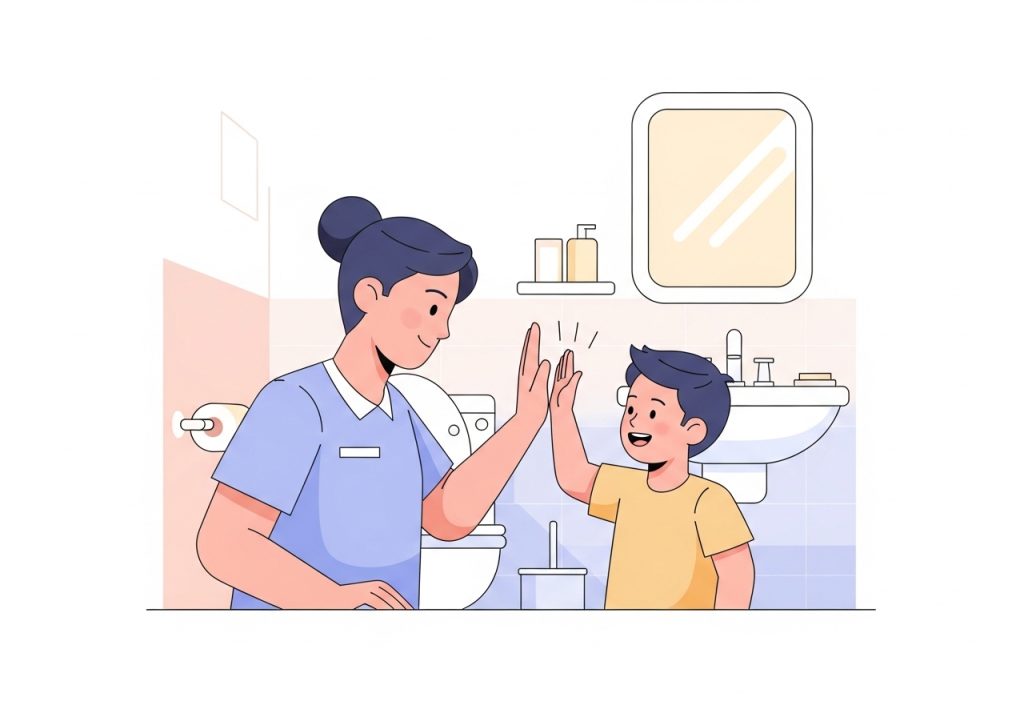
Try using phrases that highlight their effort and awareness:
- “You did a great job listening to your body!”
- “I saw you stopped playing and went right to the potty. That was a great choice.”
- “You are learning how to use the toilet all by yourself. That is fantastic!”
- “Thank you for telling me you had to go.”
This type of feedback helps build a child’s internal sense of competence and self-esteem. As the Mayo Clinic suggests, offering praise and celebrating attempts, not just successes, is a key part of the process. Over time, the pride they feel from mastering a new skill will become its own reward.
Create a Tangible ‘Success Jar’
For children who benefit from concrete representations of progress, a success jar is an excellent tool. This method is similar to a sticker chart but provides a tactile element that can be very satisfying. For each successful potty use, the child places a small item into a clear jar. Watching the jar fill up provides a strong visual and physical sense of accomplishment.
Here is how to set up a success jar system:
- Choose a clear container: A simple glass or plastic jar works well, as the child can easily see the contents accumulating.
- Select the filler items: Let the child help choose what goes in the jar. Options include colorful pom-poms, large glass beads (with supervision), marbles, or small building blocks.
- Set the goal: Decide together what happens when the jar is full. This could be a larger prize, like a new book or a special outing. The anticipation of filling the jar adds to the motivation.
- Celebrate the process: Make a small celebration out of placing each item in the jar. This reinforces the positive connection between the action and the immediate acknowledgment of their success.
This strategy is particularly effective for learners who are motivated by building and collecting. It transforms the abstract idea of “making progress” into a concrete task they can actively participate in.
Consider Sensory Preferences in Potty Training Rewards
Every child has a unique sensory profile, and tailoring rewards to their specific needs can make them much more effective. A one-size-fits-all reward may not motivate a child whose sensory system processes information differently. Thinking about what your child naturally enjoys can help you choose rewards that are truly meaningful to them.
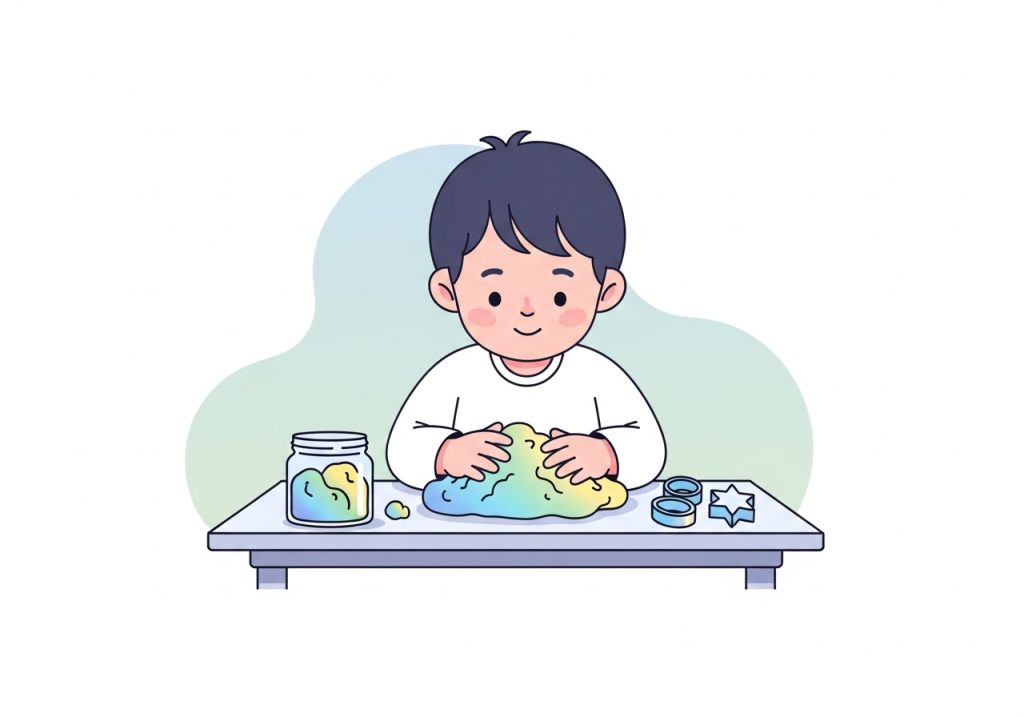
Here are some ideas based on different sensory preferences:
- For a child who seeks movement: A reward could be five minutes of jumping on a mini-trampoline, extra time on the swings, or a dance party to their favorite song. These activities provide the kinesthetic sensory input their body craves.
- For a child who enjoys tactile input: Consider rewards like playing with sensory dough, a few minutes of water play at the sink, or using a special textured fidget tool.
- For a child who is visually oriented: Rewards could include watching a short, animated video clip, looking through a colorful picture book, or using a light-up toy.
- For a child who responds to auditory input: Listening to a favorite song, playing a musical instrument for a few minutes, or hearing a story read aloud can be highly motivating.
By aligning rewards with a child’s sensory preferences, you are not just encouraging a new skill but also supporting their overall self-regulation and engagement.
Ensure Rewards are Immediate and Consistent
For a reward system to be effective, especially in the early stages of potty training, reinforcement must be immediate and consistent. Young children have a limited understanding of cause and effect over time. When a reward is given right after a successful potty attempt, it solidifies the connection in their mind: “When I use the potty, this good thing happens.”
Consistency from all caregivers is just as important. If one parent offers a reward but another does not, or if rewards are given sporadically, the child may become confused and the system will be less effective. Everyone involved in the child’s care, including parents, grandparents, and daycare providers, should be on the same page about the reward system.
Key points for implementation include:
- Keep rewards handy: Store stickers, pom-poms, or small trinkets in the bathroom so you can deliver the reward without delay.
- Establish a clear routine: The sequence should be: use the potty, wash hands, then receive the reward. This creates a predictable and positive pattern.
- Communicate with other caregivers: Briefly explain the system to anyone who will be helping with potty training to ensure the child receives the same positive reinforcement everywhere.
Develop a Plan to Fade Out Rewards
A reward system is a temporary tool to help build a new habit; it should not be a permanent fixture. The goal is for using the toilet to become a natural part of the daily routine, driven by the intrinsic feeling of staying clean and dry. Therefore, it is important to have a plan for gradually phasing out the rewards once the skill becomes more established.
Some experts caution that rewards can become a crutch if not managed correctly. A clear fading plan prevents this from happening. Here is a simple approach:
- Start by increasing the requirement: Instead of a sticker for every success, maybe it takes two successes to earn one sticker. Later, you might move to rewarding only for a full day with no accidents.
- Shift to intermittent reinforcement: Begin offering rewards more randomly. This unpredictability can actually strengthen the behavior, as the child knows a reward is possible but not guaranteed every time.
- Lean more heavily on praise: As you reduce tangible rewards, increase your use of specific verbal praise. This helps transfer the motivation from an external source to an internal one.
- Celebrate the milestone: When the child is consistently using the potty without needing rewards, acknowledge their big accomplishment. You can celebrate them “graduating” from the reward chart, which frames the end of the system as a positive achievement.
Ultimately, choosing the right potty training rewards is about understanding the individual child. A thoughtful, consistent, and positive approach that celebrates progress over perfection will lay the foundation for success. The strategies that work best are those that build a child’s confidence and make them feel proud of their growing independence.
Ready to support your learner’s development with engaging, practical tools? The Inspiring OT offers a wide range of printable activities and resources designed by an experienced occupational therapist. From fine motor skills to sensory processing, our materials are created to make learning effective and fun. Explore our shop to find the perfect resources for your classroom, clinic, or home.
Leave a Reply