
The final weeks of the school year often bring a mix of excitement, anticipation, and a bit of chaos. For educators, therapists, and parents, this period can feel like a sprint to the finish line. While it’s tempting to fill the remaining days with movies and parties, this is a valuable time to reinforce the skills students have worked on all year. Planning meaningful end of year activities doesn’t have to be complicated. With a little intention, you can create engaging experiences that celebrate progress, consolidate learning, and prepare students for a successful transition to summer and the grade ahead.
Why Focus on Skill-Building at the End of the Year?
As the curriculum winds down, the pressure of assessments and new concepts subsides. This creates a unique opportunity to revisit foundational skills in a relaxed, playful context. Continuing with skill-building activities helps solidify motor planning, sensory processing, and social-emotional learning, making these abilities more automatic for the student. It also serves as a powerful tool against the “summer slide,” where students can lose some of the academic and developmental ground they gained during the school year.
Ending the year with purposeful activities provides a sense of closure and accomplishment. It allows you to observe a student’s progress in a holistic way and celebrate how far they have come. By integrating skill practice into fun, thematic projects, you can keep learners engaged and motivated right up to the last day, ensuring the year concludes on a positive and productive note.
Our Favorite Fine Motor End of Year Activities
Fine motor skills are essential for so many academic and daily tasks. The end of the year is a perfect time to practice these skills through reflective and forward-looking projects. These activities often require less cognitive load than new academic work, allowing students to focus on the mechanics of writing, cutting, and manipulating objects.
Create a School Year Memory Book
Memory books are a classic year-end project for a reason. They integrate multiple fine motor skills while encouraging students to reflect on their experiences.
- Writing and Drawing: Dedicate pages to topics like “My Favorite Book,” “What I Learned in Science,” or “My Best Memory.” Students practice handwriting and drawing as they fill in the prompts.
- Cutting and Pasting: Have students cut out photos of themselves, classmates, or pictures from magazines that represent their year. This strengthens scissor skills and hand-eye coordination.
- Folding and Assembling: The simple act of folding pages and stapling them together works on bilateral coordination and hand strength.
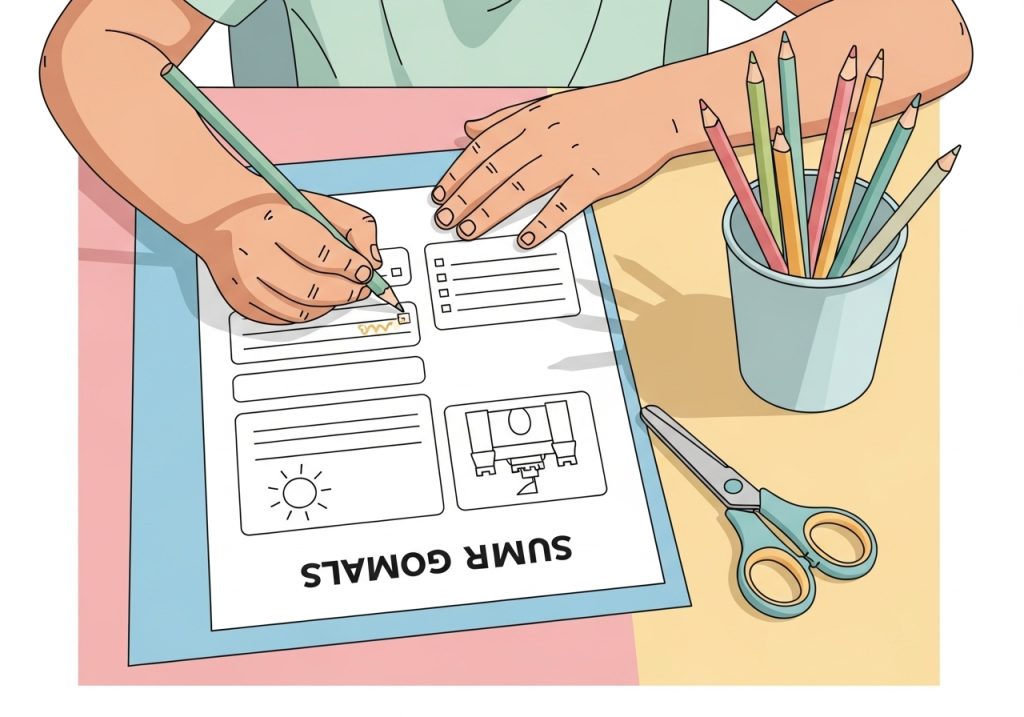
Design a “Summer Goals” Collage or Worksheet
Shift the focus from the past to the future with an activity centered on summer aspirations. This can be adapted for all ages and skill levels. Younger students might draw pictures of wanting to learn to swim or visit the park, while older students can write detailed lists or sentences. This activity reinforces handwriting, planning, and organization. Using a worksheet can provide structure and prompts to guide their ideas. Understanding the key differences between gross and fine motor skills can help you tailor activities like this to target specific developmental needs.
Make Friendship Bracelets
This simple craft is a powerhouse for fine motor development. Threading beads or tying knots requires a strong pincer grasp, bilateral coordination (using both hands together), and visual motor integration. It’s also a wonderful social activity, as students can make bracelets for their friends as a year-end gift. The repetitive motions can be calming for students who may feel anxious about the upcoming transition.
Gross Motor and Sensory Ideas for the Final Weeks
With warm weather arriving and structured classroom time decreasing, students often have excess energy to burn. Channeling that energy into productive gross motor and sensory activities can help with self-regulation, attention, and overall well-being. These activities provide necessary movement breaks and can prevent feelings of restlessness from escalating.

Set Up an Outdoor “Field Day” Obstacle Course
You don’t need fancy equipment to create a fun and challenging obstacle course. Use what you have available to encourage a variety of movements.
- Balance: Use chalk to draw a winding line to walk on or a set of “lily pads” to jump between.
- Coordination: Set up stations for jumping jacks, crab walks, or skipping between two points.
- Motor Planning: Arrange cones to weave through or have students crawl under a table or through a play tunnel.
These types of challenges help build body awareness, strength, and endurance. Many of these ideas can be adapted into skill-building summer activities for afterschoolers to continue the fun and development at home.
Incorporate Sensory Bins and Stations
Sensory play is calming and helps students regulate their nervous systems. A themed sensory bin can provide a focal point for quiet exploration. For the end of the year, consider a “beach” theme with sand, shells, and small shovels, or a “gardening” theme with soil, pots, and plastic flowers. These activities provide tactile input and can be paired with fine motor practice as students scoop, pour, and manipulate the small objects within the bin.
Integrating Social-Emotional Learning (SEL) into Year-End Fun
The end of a school year is a significant transition. Students are leaving the familiar routines and relationships of their current classroom. Acknowledging these feelings and providing structured ways to say goodbye is a critical part of social-emotional learning. These activities help students process their emotions, celebrate their friendships, and look toward the future with confidence.
Create a Class Compliment Web
Have students sit in a circle. One student starts with a ball of yarn, gives a compliment to a classmate, and then gently tosses the ball to that person while holding onto the end of the string. The activity continues until everyone is connected in a web. This is a powerful visual representation of the class community and reinforces positive social interaction.
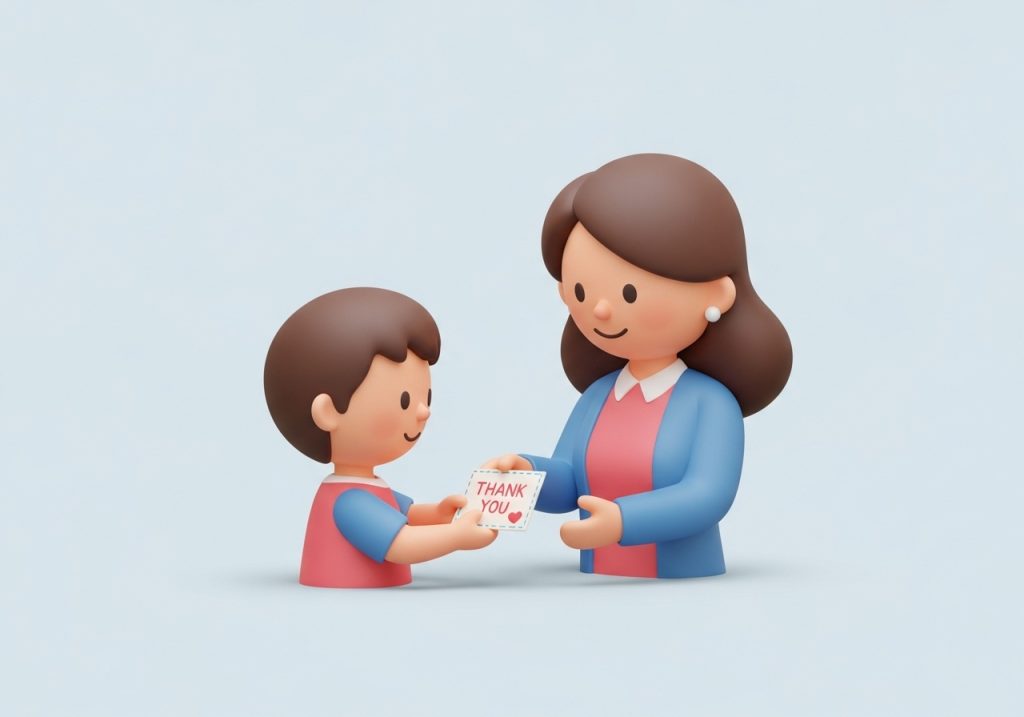
Write Thank You Notes
Encourage students to write notes of appreciation to teachers, school staff, or friends. This activity practices handwriting and written expression while fostering gratitude. It helps students recognize the network of people who have supported them throughout the year. For students who struggle with writing, providing sentence starters or a template can be a helpful scaffold.
Tips for Low-Prep, High-Impact Planning
The goal is to make the end of the year meaningful, not more stressful for you. By choosing activities that are simple to set up and use versatile materials, you can create high-impact learning experiences without hours of preparation.
- Use Multi-Purpose Materials: Sidewalk chalk, playdough, paper, and crayons can be used for dozens of different fine motor, gross motor, and creative activities.
- Establish Activity Stations: Set up a few different activity centers around the room and let students rotate through them. This gives students choice and allows you to work with small groups.
- Adapt What You Already Have: Give existing worksheets or games a year-end theme. A simple writing prompt can become “My favorite memory from second grade.” A math game can use summer-themed counters. Finding therapeutic end of year activities for the classroom and clinic is about adapting your current tools with a new perspective.
By focusing on connection, reflection, and reinforcement, you can make the last few weeks of school a rewarding experience for everyone. These end of year activities ensure that students leave for the summer not just with memories, but with stronger, more confident skills to carry them into the next chapter of their learning journey.
Ready to make your end-of-year planning easier? The Inspiring OT offers a wide range of low-prep, engaging printables designed by an experienced occupational therapist. From fine motor activities to sensory guides, these resources help you reinforce key skills and finish the year strong. Explore the shop today to find practical tools that support every learner.
Visit The Inspiring OT resource shop for therapist-created activities.
Leave a Reply