
As occupational therapists, educators, and parents, we often observe children’s abilities through the lens of developmental milestones. Understanding the specific categories of development and having clear skills examples for each can transform how we support a child’s growth. When we can pinpoint whether a challenge relates to fine motor control, sensory processing, or emotional regulation, our interventions become more targeted and effective. This guide breaks down key developmental domains into practical, easy-to-understand examples to help you identify strengths and areas for growth in the children you support.
Understanding Fine Motor Skills
Fine motor skills involve the coordinated use of the small muscles in the hands, fingers, and wrists. These skills are essential for most school-related tasks and activities of daily living. Strong fine motor abilities allow a child to control objects with precision and perform intricate movements. Without them, tasks like writing, buttoning a shirt, or using utensils can become sources of frustration.
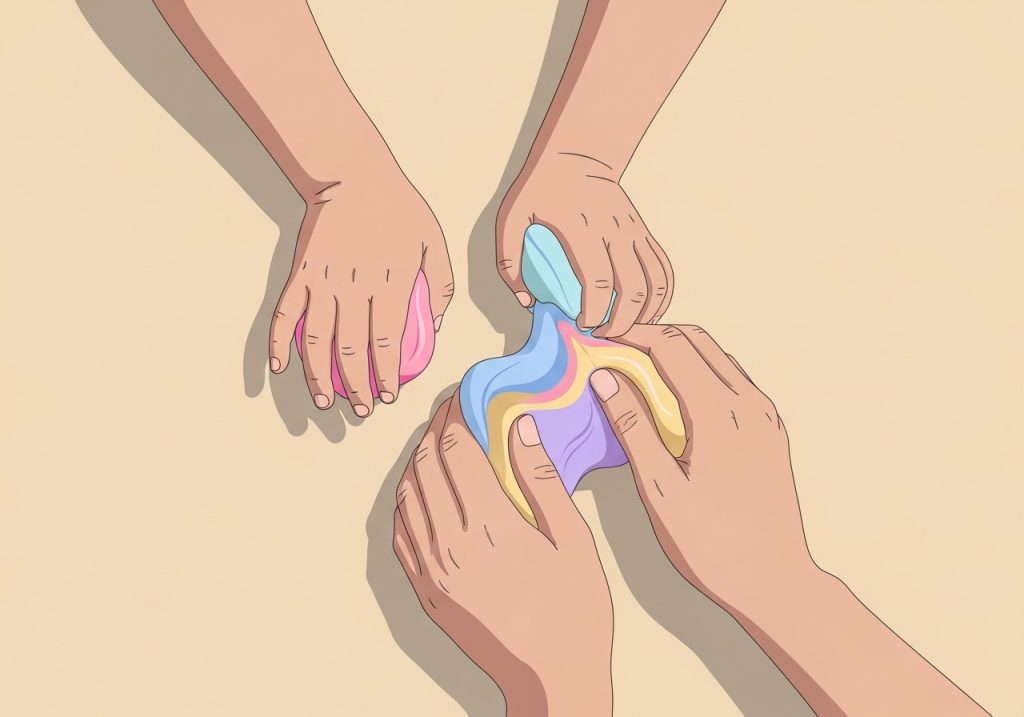
Here are some specific examples of fine motor skills:
- Pincer Grasp: Picking up a small item, like a bead or a piece of cereal, using the thumb and forefinger.
- In-Hand Manipulation: Adjusting the position of an object within one hand, such as moving a pencil from the palm to the fingertips.
- Scissor Skills: Opening and closing scissors to cut along a straight or curved line.
- Buttoning and Zipping: Manipulating buttons through holes and pulling a zipper up or down.
- Handwriting and Drawing: Holding a writing tool with a functional grasp and forming letters or shapes with controlled strokes. This is a complex skill, and choosing the right approach is important when you select a handwriting curriculum.
Developing these abilities is crucial for academic success and growing independence. When a child masters these movements, they gain confidence in their ability to interact with their environment and complete self-care tasks without assistance.
Exploring Gross Motor Skills
Gross motor skills involve the large muscles of the body that control the arms, legs, and torso. These are the movements we use for walking, running, jumping, and maintaining balance. Well-developed gross motor skills contribute to a child’s physical fitness, coordination, and ability to navigate their environment safely. They also provide the foundational postural stability needed for fine motor tasks, like sitting upright at a desk to write.
Common examples of gross motor skills include:
- Balance: Standing on one foot for several seconds or walking along a narrow line without falling.
- Coordination: Hopping, skipping, or climbing playground equipment.
- Ball Skills: Throwing a ball to a target, catching a large ball with two hands, and kicking a stationary ball.
- Locomotion: Running smoothly, stopping without crashing, and navigating around obstacles.
These skills are often developed through active play. Providing plenty of opportunities for children to move their bodies is essential for building strength, endurance, and body awareness.
Key Visual Motor Integration Skills Examples
Visual motor integration, often called hand-eye coordination, is the brain’s ability to process visual information and guide the hands to complete a task. It’s the connection between what we see and what we do. This skill is critical for everything from catching a ball to copying notes from a board. Difficulties in this area can impact a child’s performance in academics, sports, and even simple play activities.
These are some practical skills examples for visual motor integration:
- Copying Designs: Accurately drawing a shape or letter by looking at an example.
- Building with Blocks: Replicating a structure from a picture or model.
- Mazes and Puzzles: Guiding a pencil through a maze without touching the lines or fitting puzzle pieces into the correct spots.
- Connecting Dots: Drawing lines to connect numbered or lettered dots to form a picture.
- Threading Beads: Guiding a string through the small hole in a bead.
Activities that require children to look at a target and then use their hands to interact with it are excellent for building this skill. Strong visual motor integration supports legible handwriting, efficient completion of worksheets, and participation in creative arts.
Identifying Sensory Processing Skills
Sensory processing is how the nervous system receives messages from the senses and turns them into appropriate motor and behavioral responses. For most people, this process is automatic. For some children, processing sensory input from their environment can be challenging. They might be over-responsive (hypersensitive) or under-responsive (hyposensitive) to certain stimuli. As the National Center for Biotechnology Information notes, the domains of child development are complex and interconnected, and sensory processing is a foundational piece.
Examples of sensory processing skills in action include:
- Auditory Processing: Filtering out background noise to focus on a teacher’s voice or responding appropriately to loud sounds without becoming distressed.
- Tactile Processing: Tolerating different textures of clothing, accepting a gentle touch on the shoulder, or enjoying messy play with materials like paint or sand.
- Vestibular Processing: Enjoying swinging or spinning without getting dizzy or fearful; having a good sense of balance.
- Proprioceptive Processing: Using the right amount of force to write with a pencil (not too hard, not too light) or giving a gentle hug instead of squeezing too tightly.
Observing how a child responds to their sensory world provides valuable information about their needs and can help create a more supportive learning environment.
Building Emotional Regulation Skills
Emotional regulation is the ability to manage emotional experiences and express feelings in a healthy way. It involves recognizing one’s emotions, understanding what triggers them, and developing strategies to cope with challenging feelings. This skill is a cornerstone of mental health and social success. Children who can regulate their emotions are better equipped to handle frustration, disappointment, and excitement without becoming overwhelmed.
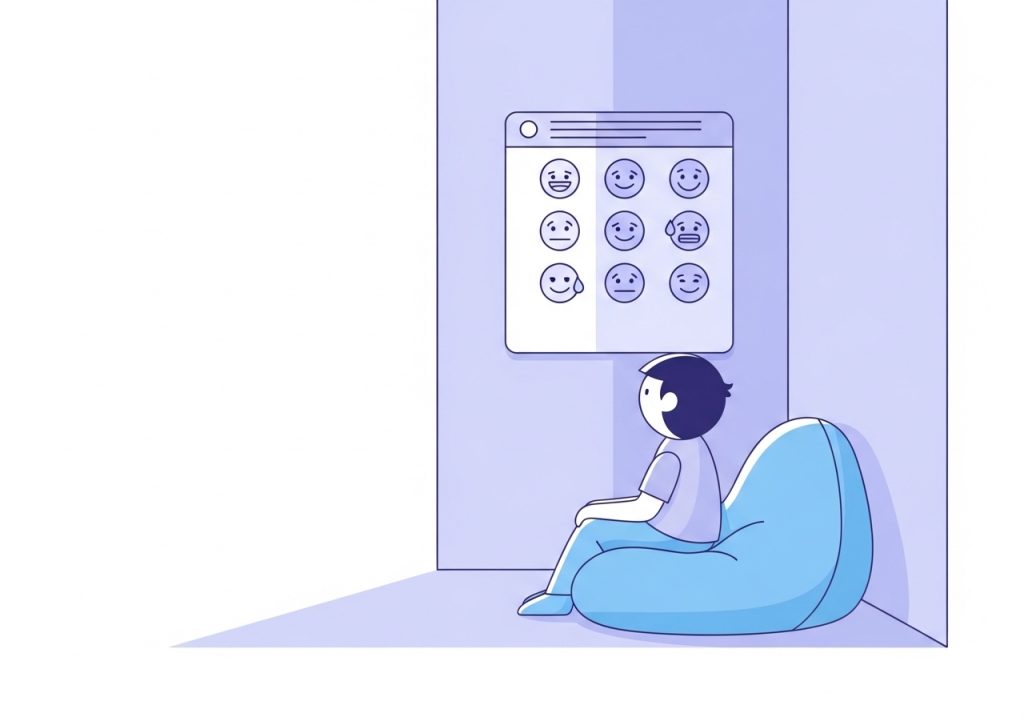
Key skills examples for emotional regulation are:
- Identifying Feelings: Naming an emotion, such as “I feel mad” or “I am excited.”
- Using Coping Strategies: Taking deep breaths when upset, asking for a hug, or moving to a quiet space to calm down.
- Inhibiting Impulses: Waiting for a turn in a game instead of grabbing a toy.
- Tolerating Frustration: Continuing to work on a difficult puzzle instead of giving up immediately.
One powerful way to help children develop these skills is through goal-oriented activities, often seen in the structured approach of therapeutic play, where they can practice social and emotional responses in a safe context.
Developing Activities of Daily Living (ADLs)
Activities of Daily Living, or ADLs, refer to the fundamental self-care tasks that people perform every day. These are the life skills that enable independence. For children, mastering ADLs is a major step toward self-sufficiency and builds a strong sense of competence. These skills are often taught directly by parents, teachers, and therapists and require a combination of fine motor, gross motor, and cognitive abilities.
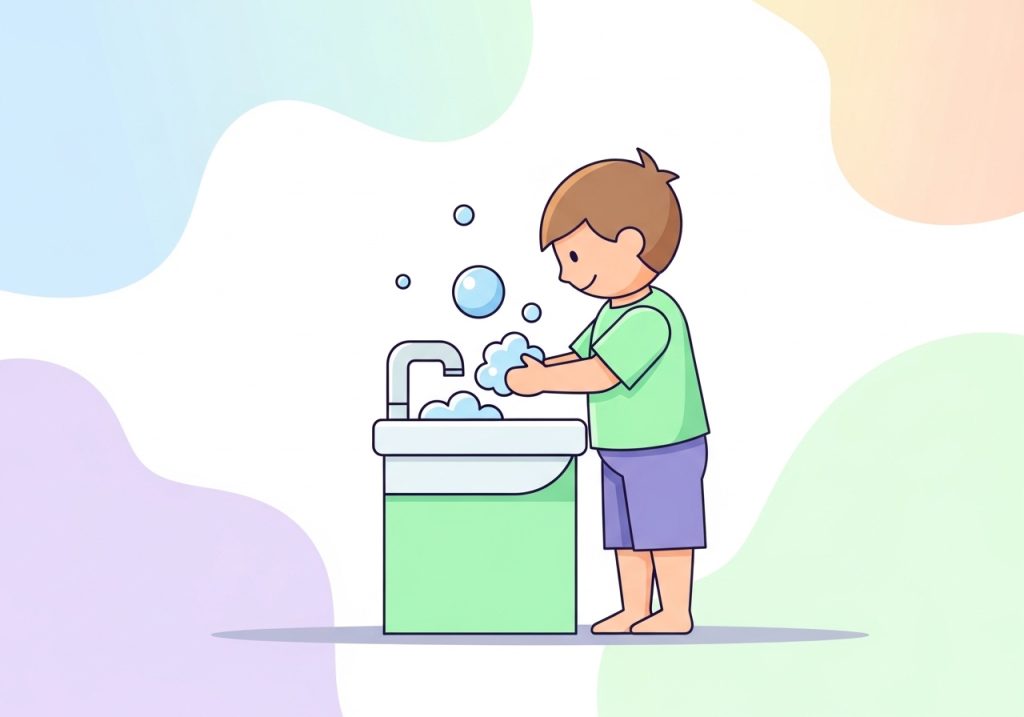
Examples of essential ADLs for children include:
- Dressing: Putting on and taking off clothes, including managing fasteners like buttons, snaps, and zippers.
- Grooming and Hygiene: Brushing teeth, washing and drying hands, and combing hair.
- Feeding: Using a fork and spoon correctly, drinking from an open cup, and managing food without excessive spilling.
- Toileting: Managing clothing, using the toilet, and completing the hygiene routine independently.
Breaking these tasks into smaller, manageable steps can help children learn them more easily. Celebrating small successes along the way encourages them to keep practicing.
Fostering Social and Communication Skills
Social and communication skills govern how we interact with others. They include verbal and non-verbal abilities that allow us to build relationships, cooperate with peers, and understand social expectations. Developing these skills is a lifelong process, but the foundation is built in early childhood. The language we use with children plays a significant role, as research from the National Association for the Education of Young Children (NAEYC) highlights that adults help children form conceptual categories by labeling objects and actions.
Important social and communication skills examples include:
- Turn-Taking: Waiting for one’s turn in conversation and in games.
- Sharing: Offering a toy to a peer or sharing materials during a group activity.
- Following Directions: Listening to and carrying out multi-step instructions from an adult.
- Understanding Social Cues: Recognizing non-verbal signals like facial expressions and body language to understand how someone else is feeling.
- Problem-Solving: Negotiating with a peer to resolve a conflict over a toy or an activity.
Providing structured opportunities for interaction is crucial. For children who need more explicit instruction, a targeted approach like social skills training can be highly beneficial for learning how to navigate complex social situations.
Recognizing the different facets of a child’s development allows us to provide more effective and compassionate support. Each of these skill areas is connected, and progress in one often supports growth in another. By using these skills examples as a guide, you can better observe, understand, and create meaningful activities that foster well-rounded development for every learner.
Supporting skill development requires practical, engaging, and effective tools. At The Inspiring OT, we create evidence-informed resources designed by an occupational therapist to make your job easier. From fine motor worksheets to sensory processing guides, our printable activities are ready to use in your therapy sessions, classroom, or at home. Explore The Inspiring OT shop to find low-prep materials that help learners succeed.
Leave a Reply