
The final weeks of the school year often bring a mix of excitement, anticipation, and dysregulation for students. As schedules change and routines loosen, it can be challenging to maintain focus. This time, however, presents a unique opportunity. Instead of just counting down the days, we can use this period to implement fun, engaging, and therapeutic end of year activities that reinforce the skills students have worked on all year. These activities are not simply filler. They are a way to celebrate progress, provide closure, and help learners transition to summer with confidence. For occupational therapists, teachers, and parents, a well-chosen activity can make the last days of school some of the most productive.
Why Focus on Skill-Based Activities at Year’s End?
When the pressure of curriculum deadlines and formal assessments fades, a more relaxed atmosphere can be perfect for skill practice. Students may be more willing to engage in tasks when they feel less like work and more like play. Skill-based activities at the end of the year help generalize abilities learned in more structured settings. They allow children to apply their fine motor, sensory processing, and executive functioning skills in novel and motivating contexts. This approach helps solidify learning, ensuring that progress made during the school year is more likely to be retained over the summer break.
This period also offers a valuable window for informal observation. Watching a student complete a multi-step craft or participate in a group game can provide insight into their current abilities, social skills, and problem-solving strategies. This information can be useful for final reports, parent discussions, and planning for the following year. It’s a chance to see skills in action, outside the confines of a worksheet or formal test. This functional context reveals a great deal about a student’s true capabilities and areas that may still need support.
Fine Motor End of Year Activities
Summer themes are a great source of inspiration for fine motor tasks. These activities can strengthen hand muscles, improve bilateral coordination, and refine pincer grasp in a celebratory way. Developing these small muscle movements is critical for academic tasks like writing and daily living skills like buttoning a shirt. Understanding how fine and gross motor skills develop together gives us a clear picture of why this continued practice is so important. Fun, themed activities make this practice feel effortless.
Memory Books or Scrapbooks
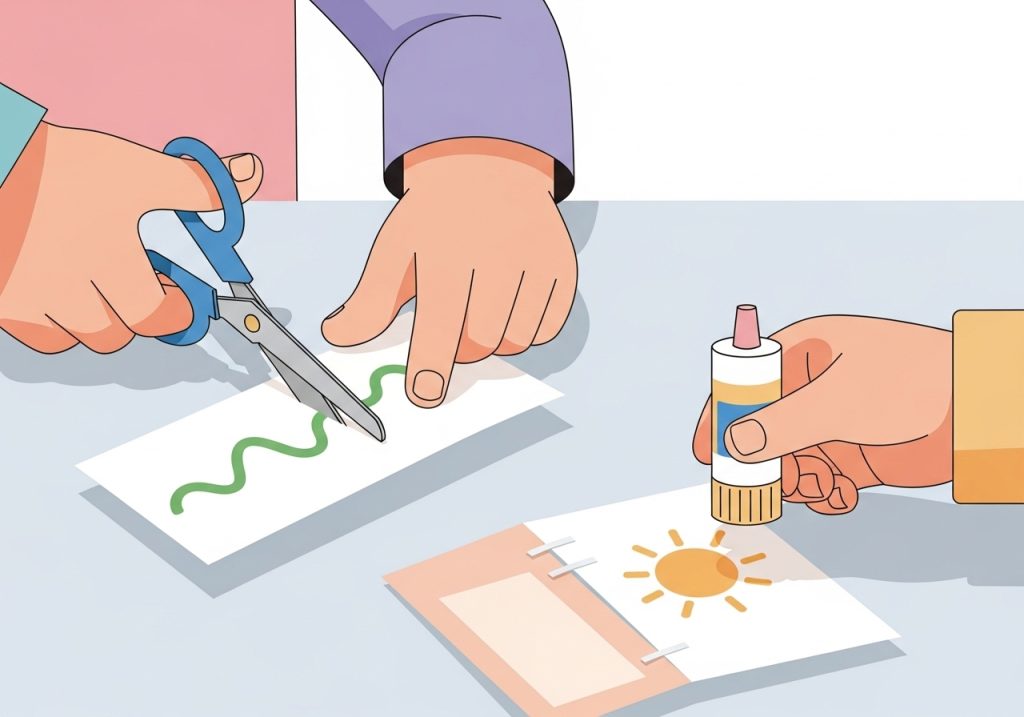
Creating a memory book is an excellent multi-skill activity. Students can write or draw their favorite memories from the school year, which practices handwriting and ideation. They can cut out pictures or decorative paper to add to the pages, working on scissor skills. Using a glue stick or bottle refines precision and hand-eye coordination. Assembling the book in chronological order even touches on sequencing. This project provides a tangible keepsake that students can be proud of, celebrating their personal growth and achievements throughout the year.
Summer-Themed Crafts
Set up stations with simple, summer-related crafts. For example, making paper plate suns involves cutting paper strips for rays and gluing them around a circle. Creating beaded friendship bracelets to exchange with classmates is a fantastic way to practice pincer grasp, bilateral coordination, and visual motor skills. Other ideas include painting seashells, making tissue paper flowers, or creating a collage of a favorite summer activity. These crafts are low-cost, require minimal preparation, and offer repeated practice of essential fine motor movements.
Sensory and Regulation Activities for the Transition
The end of the year can feel unsettling for many children. Changes in routine, the anticipation of a long break, and saying goodbye to teachers and friends can be dysregulating. Sensory activities can provide a calming and organizing foundation during this time, helping students manage big emotions and stay grounded. Just as we can build regulation skills into daily routines at the start of the day, we can use targeted activities to support regulation during times of transition.
Themed Sensory Bins
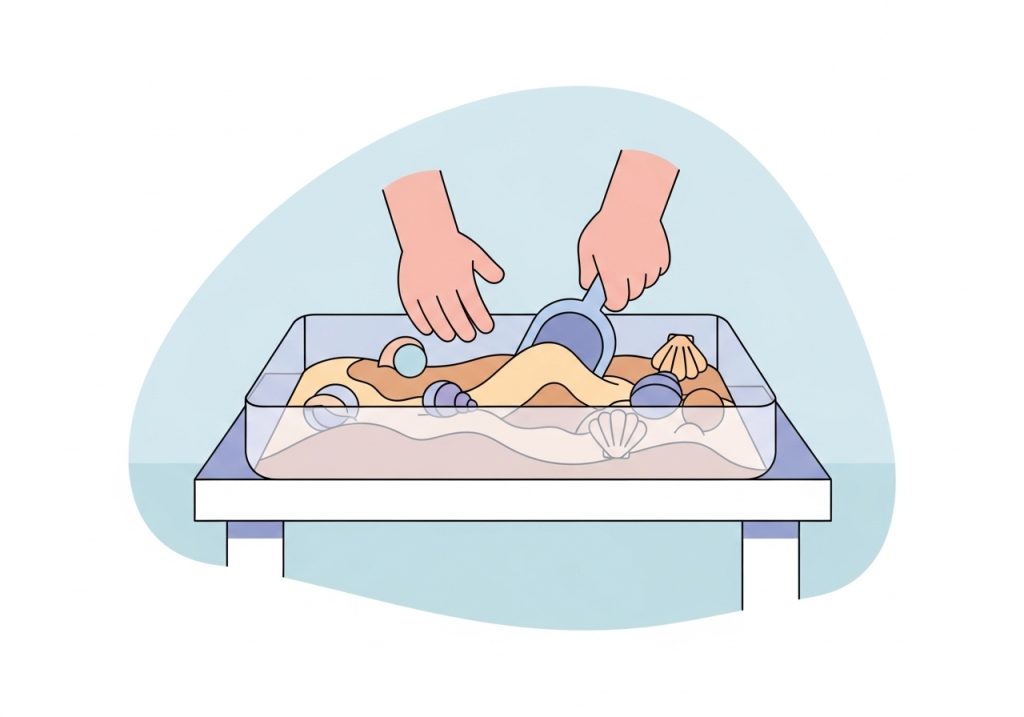
A sensory bin with a beach or garden theme can be very grounding. Fill a container with sand or soil, shells, small shovels, and plastic sea creatures or flowers. The tactile input from scooping, pouring, and digging provides calming proprioceptive feedback. It allows for quiet, independent exploration, giving students a much-needed break from the social energy of the classroom. You can hide “treasures” like letters or numbers in the sand for an academic twist, asking students to find and identify them.
Movement Breaks and Obstacle Courses
Organize structured movement to help students manage excess energy. An outdoor or indoor obstacle course can incorporate heavy work and motor planning. For instance, have students “pack for the beach” by carrying weighted bags, crawl through a tunnel “cave,” and walk on a balance beam “boardwalk.” These activities provide organizing sensory input that can improve focus for the rest of the day. A short, five-minute movement break with jumping jacks, animal walks, or yoga poses can also effectively reset the nervous system and prepare students for the next activity.
Executive Functioning and Life Skills Activities
The end of the year is filled with practical tasks that are perfect for targeting executive functioning skills like planning, organization, and task initiation. These skills are crucial for academic success and independent living. By framing everyday tasks as goal-oriented projects, we help students build competence and confidence.
Classroom Clean-Up Project
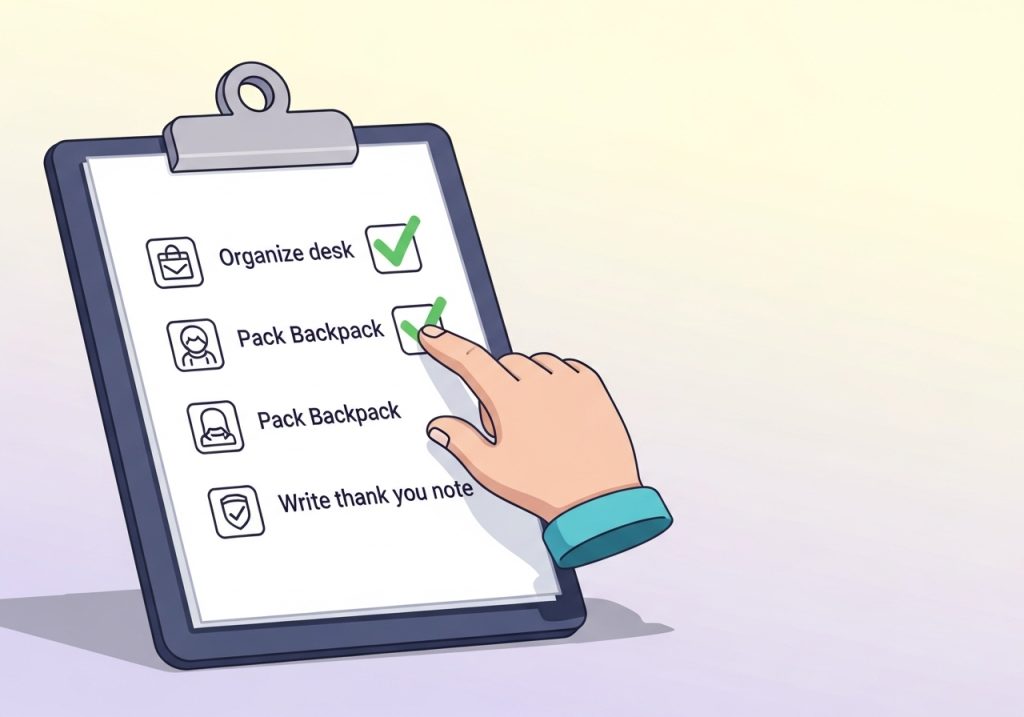
Turn the necessary task of cleaning and organizing the classroom into a learning activity. Create simple visual checklists for students to follow. Tasks like sorting supplies, wiping down desks, and organizing library books require students to sequence steps, categorize items, and stay on task. Working in teams to complete the project also encourages cooperation and communication. This project helps students take ownership of their environment and understand the steps involved in completing a large, multi-step goal.
Planning a Simple Celebration
Involve students in planning a small end-of-year celebration. This could be as simple as an ice pop party or a movie afternoon. Have them vote on flavors (data collection), write invitations to another class (written communication), and create a schedule of events (sequencing). This process helps them practice future-oriented thinking and see how planning leads to a rewarding outcome. It’s a practical way to strengthen critical thinking and future planning in a real-world scenario. They learn that their choices and actions directly influence the final event.
Making the Last Days Count
The end of the school year does not have to be a chaotic countdown. By incorporating purposeful and therapeutic activities, we can transform it into a time of meaningful consolidation and positive closure. These engaging tasks help students reinforce important skills while celebrating their hard work and preparing them for the transition ahead. This intentional approach honors the learning journey and sends students off for the summer feeling successful and capable.
This week, try selecting one activity from this list to implement in your classroom, therapy session, or home. Observe how it can shift the energy and make the final days of the school year both fun and productive. A small change in approach can make a big difference in how students experience this significant transition.
Looking for ready-to-use resources to make these final weeks easier and more effective? The Inspiring OT shop offers a wide range of printable activities, worksheets, and guides designed by an experienced occupational therapist. Simplify your planning with engaging, low-prep materials crafted to enhance skill growth. Explore the collection today to find the perfect tools to support your learners.
Leave a Reply