
Hand therapy is a specialized area of occupational or physical therapy that focuses on the rehabilitation of the hand, wrist, elbow, and shoulder. Through targeted interventions, therapists help individuals recover from injury, manage chronic conditions, and develop the skills necessary for daily activities. According to the American Society of Hand Therapists (ASHT), it is the “art and science of rehabilitation of the upper limb.” For therapists, teachers, and parents supporting children, understanding the principles of hand therapy provides a valuable framework for promoting fine motor development and functional independence at school and at home.
What Does the Practice of Hand Therapy Involve?
A certified hand therapist uses several methods to restore function and reduce pain. The process is always tailored to the individual’s specific needs, whether they are recovering from surgery or working on developmental skills. A typical approach includes a few key components.
- Comprehensive Evaluation: The first step is a thorough assessment of the individual’s condition. The therapist measures range of motion, strength, sensation, and coordination. They also observe how the person performs specific tasks to understand their functional limitations.
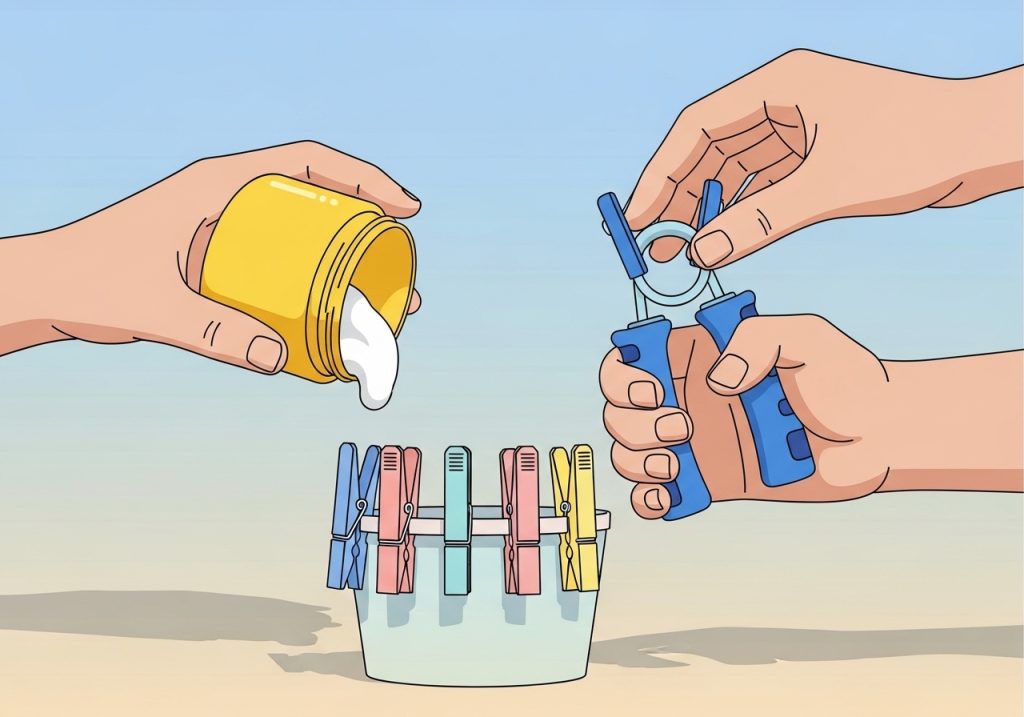
- Therapeutic Interventions: Based on the evaluation, the therapist designs a treatment plan. This often includes exercises to improve strength and flexibility, activities to enhance dexterity, and pain management techniques. The goal is to gradually restore normal movement and function.
- Custom Splinting: Hand therapists are trained to create custom orthoses, or splints. These devices can protect a healing injury, support a weak joint, or position the hand to improve its use in daily tasks. Unlike off-the-shelf braces, custom splints are molded directly to the person for a precise fit.
- Activity Modification: A significant part of hand therapy is teaching people new ways to perform activities. This could involve changing how a task is done or using adaptive equipment to reduce strain on an injured or weak area.
Common Conditions Treated with Hand Therapy
Hand therapy addresses a wide array of conditions affecting the upper extremity. While many people associate it with post-surgical rehabilitation, its applications are much broader and are relevant for both adults and children. A practice analysis published in the Journal of Hand Therapy highlights the diverse scope of the profession. Therapists frequently work with individuals who have:
- Injuries: This includes fractures of the hand or wrist, tendon and nerve injuries, and amputations.
- Chronic Conditions: People with arthritis, carpal tunnel syndrome, and other repetitive strain injuries often benefit from hand therapy to manage symptoms and maintain function.
- Neurological Conditions: Individuals who have experienced a stroke or who have conditions like cerebral palsy may work with a hand therapist to improve motor control and hand use.
- Developmental Challenges: For children, hand therapy principles are applied to address difficulties with fine motor skills, coordination disorders, and congenital differences of the hand.
How Hand Therapy Supports Children’s Development
While the term “hand therapy” might sound clinical, its core principles are fundamental to pediatric occupational therapy. Supporting hand function is essential for a child’s ability to learn, play, and perform self-care tasks. An OT with knowledge in this area can make a significant impact on a child’s development.
One primary focus is on fine motor skills. Activities that build hand and finger strength are necessary for tasks like buttoning a shirt, zipping a jacket, or using a fork. These foundational examples of developmental skills are necessary for daily independence.
Handwriting readiness is another critical area. A therapist can address foundational components needed for writing, such as an efficient pencil grasp, in-hand manipulation of small objects, and the motor control needed to form letters. They help children build the underlying skills before focusing on legible letter formation, which is an important factor when you choose a handwriting curriculum.
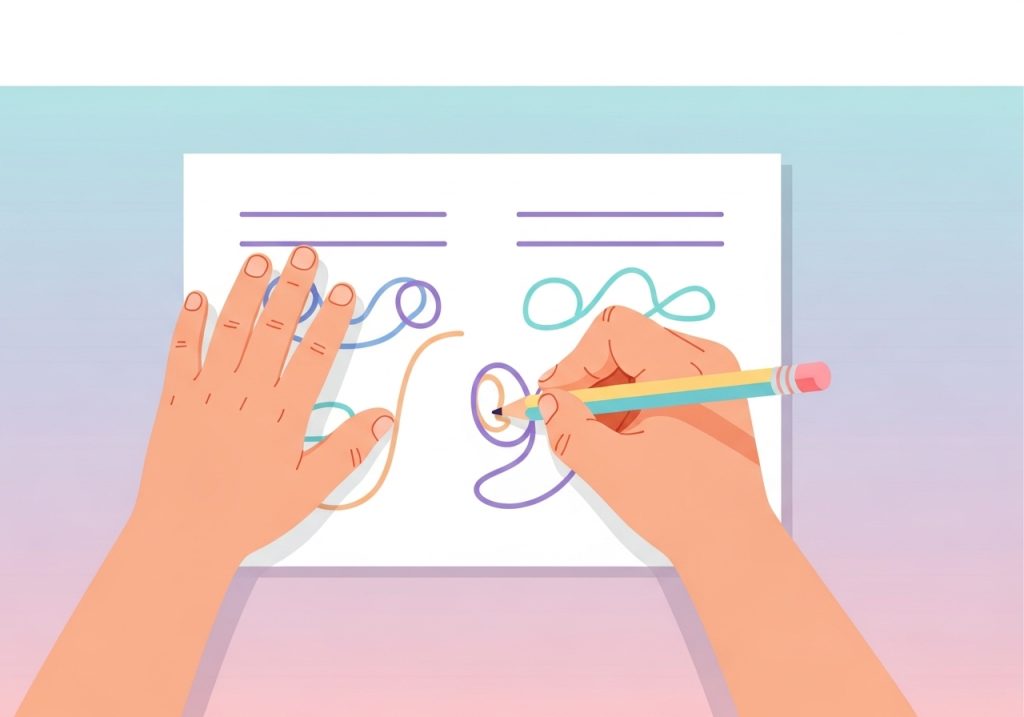
Therapy also helps with bilateral coordination, which is the ability to use both hands together effectively. This skill is needed for cutting with scissors, tying shoes, and catching a ball. By designing activities that require two hands, therapists help strengthen these motor pathways.
Practical Activities to Support Hand Function
Many activities that support hand therapy goals can be easily integrated into a child’s routine at home or in the classroom. These simple, low-prep ideas help build strength, dexterity, and coordination. You can encourage skill development with these engaging tasks:
- Play with dough or putty: Squeezing, pinching, and rolling therapeutic putty or modeling clay is an excellent way to build hand strength.
- Use tongs or tweezers: Have children use small tongs or large tweezers to pick up and sort small items like cotton balls, beads, or pom-poms. This promotes a pincer grasp.
- Lacing and threading: Lacing cards or threading large beads onto a string helps develop fine motor precision and bilateral coordination.
- Building with blocks: Using small building blocks encourages a variety of grasping patterns and requires controlled placement.
- Cutting with scissors: Start with snipping paper strips and progress to cutting along lines and around simple shapes to build scissor skills.
These activities can be supplemented with structured resources. You can find many practical education materials for teachers and therapists designed to target these specific skills in fun and creative ways.
Integrating these concepts can help children build the foundational hand skills needed for academic success and daily life. If you have specific concerns about a child’s hand function or fine motor development, consulting with a qualified occupational therapist can provide tailored strategies and support.
Ready to support skill development with engaging, expertly designed activities? The Inspiring OT offers a wide range of printable resources created by a licensed occupational therapist to make learning effective and fun. Explore our collection of low-prep worksheets, assessments, and activities to help your learners build essential fine motor, sensory, and life skills today.
Leave a Reply