
Supporting the wide range of developmental needs in a classroom can feel like a monumental task. Educators are constantly looking for effective, practical tools to help every student build foundational skills for academic and personal success. High-quality guides for teachers, especially those created with an understanding of child development, can make a significant difference. According to the National Board for Professional Teaching Standards, accomplished teachers know their subjects and understand how to teach them effectively to diverse learners. This article highlights five essential, OT-created guides designed to help you meet this standard by providing targeted strategies for fine motor, sensory, handwriting, and other critical skills right in your classroom.
Fine Motor Skills Teacher Toolkit
Strong fine motor skills are the bedrock for so many classroom tasks, from holding a pencil to using scissors and managing buttons. The Fine Motor Skills Teacher Toolkit is a comprehensive resource designed to help educators systematically build these abilities in their students. It removes the guesswork from planning and provides a structured framework for intervention, whether in a dedicated center or through integrated activities. This toolkit is more than just worksheets; it’s a complete system for assessment, practice, and progress monitoring.
Key Features of the Toolkit
- Informal Assessment Tools: Includes simple screeners to help you quickly identify which students need support and in which specific areas, such as pincer grasp, hand strength, or bilateral coordination.
- Engaging Task Cards: A wide variety of low-prep activity cards focus on different fine motor components. These can be used in morning tubs, small groups, or therapy sessions to keep practice fresh and motivating.
- Data Tracking Sheets: Easy-to-use sheets allow you to monitor student progress over time. This documentation is valuable for parent-teacher conferences, intervention meetings, and planning next steps.
- Guidance on Setup: Provides practical tips for organizing a fine motor center or station in your classroom, making it an integrated part of your daily routine.
Who It’s Best For
This toolkit is ideal for educators and therapists working with young learners. Preschool and kindergarten teachers will find it invaluable for setting up foundational skills. Special education staff can use it to provide targeted intervention, while school-based occupational therapists can recommend its activities for classroom carryover to reinforce therapy goals.
The Ultimate Sensory Processing Guide for Educators
Every student interacts with the world through their senses, but some can become easily overwhelmed or under-stimulated by classroom environments. The Ultimate Sensory Processing Guide for Educators demystifies sensory needs and gives you actionable strategies to create a more inclusive learning space. It explains how the eight sensory systems impact a child’s ability to focus, behave, and learn. By understanding these inputs, you can make simple adjustments that help all students feel calm, alert, and ready to participate.

Key Features of the Guide
- Clear Explanations: Breaks down complex concepts like proprioception and the vestibular sense into easy-to-understand language relevant to a school setting.
- Observation Checklists: Helps you identify common signs of sensory seeking or sensory avoiding behaviors, allowing for more proactive support.
- Classroom-Friendly Strategies: Offers a wealth of low-cost, practical ideas you can implement immediately. This includes suggestions for flexible seating, movement breaks, and quiet corners. Many of these strategies also support self-regulation, which can be reinforced using emotional quotient games to develop social skills.
- Informational Handouts: Includes printable resources that can be shared with parents or other team members to ensure a consistent approach across environments.
Who It’s Best For
This guide is essential for general and special education teachers from kindergarten through fifth grade. It empowers them to support students with diagnosed sensory processing disorders as well as those who simply benefit from a more sensory-aware environment. School OTs, counselors, and support staff will also find it to be a valuable resource for consultation and collaboration.
Handwriting Letter & Number Formation Guides
Learning to write is one of the most complex tasks a child undertakes. Consistent and correct letter and number formation is crucial for developing legible, automatic handwriting that doesn’t drain cognitive resources. The Handwriting Letter & Number Formation Guides provide a systematic and multi-sensory approach to teaching these fundamental skills. It is based on developmental principles and uses clear visual and verbal cues to prevent bad habits from forming.
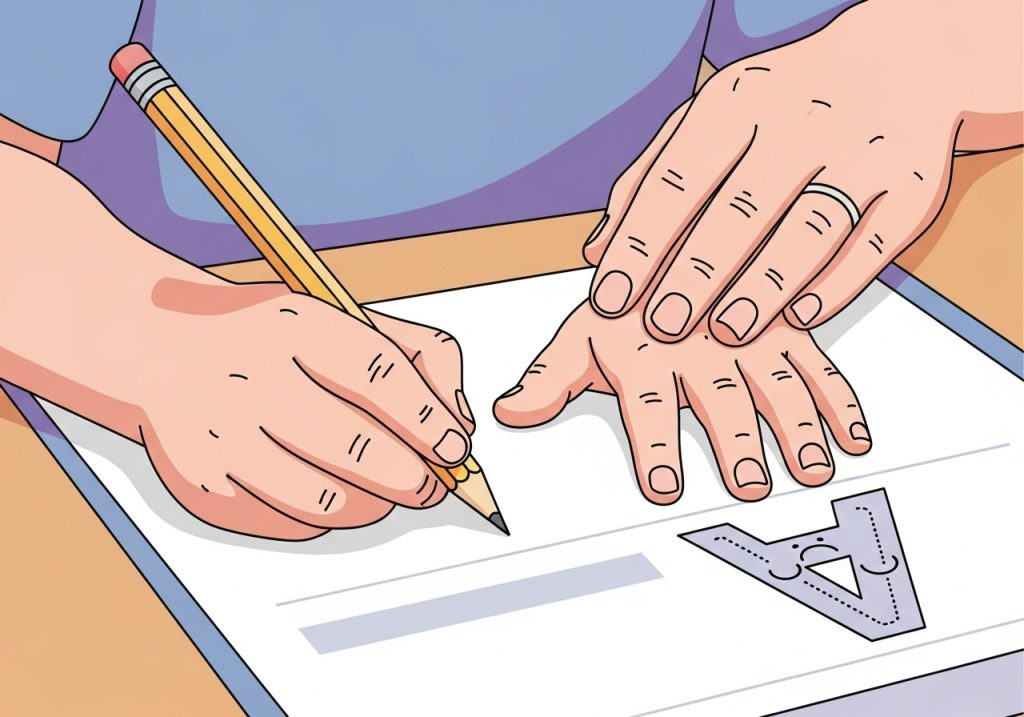
Key Features of the Guides
- Step-by-Step Instructions: Each letter and number includes a simple, memorable path of motion, often grouped by starting point (e.g., “magic C” letters).
- Visual and Verbal Cues: Provides consistent language and visual aids to help students remember how to form each character correctly.
- Differentiated Practice Sheets: Offers worksheets with varying levels of support, from tracing with guides to independent writing on lines, catering to different skill levels. Once students master print, you can use similar methods when learning how to teach cursive handwriting.
- Multi-Sensory Learning Ideas: Suggests ways to practice formation using sand trays, shaving cream, or building with manipulatives to engage more learning pathways.
Who It’s Best For
This resource is a must-have for Pre-K, kindergarten, and first-grade teachers who provide initial handwriting instruction. Occupational therapists will find the structured methodology perfect for intervention with students struggling with dysgraphia or other writing difficulties. It is also an excellent tool for parents who want to support proper handwriting at home.
Executive Functioning Skill-Building Guides for Teachers
Executive functions are the brain’s management system, controlling skills like planning, organization, working memory, and task initiation. Students rely on these skills for everything from following multi-step directions to completing long-term projects. The Executive Functioning Skill-Building Guides for Teachers translate these abstract cognitive processes into concrete classroom strategies. The goal is to help you teach, model, and scaffold these skills so students can become more independent and effective learners. Developing these abilities is crucial, as skills like critical thinking and problem-solving are considered essential for future success, according to an analysis of professional development needs.
Key Features of the Guides
- Skill Breakdowns: Clearly defines different executive functions and explains how challenges in each area might appear in a classroom setting (e.g., a messy desk as a sign of poor organization).
- Environmental Supports: Provides ideas for structuring the classroom environment to reduce executive function demands, such as using visual schedules, checklists, and color-coded systems.
- Targeted Activities: Includes specific games and exercises designed to strengthen skills like working memory, cognitive flexibility, and inhibitory control in a fun, engaging way.
- Goal-Setting Templates: Offers tools to help students identify their own challenges and work collaboratively with you to set achievable goals for improvement.
Who It’s Best For
While beneficial for all educators, this guide is particularly helpful for teachers in upper elementary, middle, and high school, where executive function demands increase significantly. Special education teachers, academic coaches, and school psychologists will find the strategies invaluable for supporting students with ADHD, autism, or learning disabilities.
Visual Perceptual Skills Activity Guide
Visual perceptual skills involve the brain’s ability to make sense of what the eyes see. These skills are critical for learning to read, write, and solve math problems. A student might have perfect vision but struggle with visual perception, leading to letter reversals, difficulty copying from the board, or trouble with spacing. The Visual Perceptual Skills Activity Guide is filled with no-prep worksheets and activities designed to strengthen these essential abilities.
Key Features of the Guide
- Targeted Skill Practice: Each activity is designed to address a specific visual perceptual skill, such as visual discrimination (spotting differences), figure-ground (finding an object in a busy background), and visual closure (identifying an object from an incomplete picture).
- No-Prep Convenience: Most activities are print-and-go, making them perfect for morning work, early finishers, or centers. This saves valuable planning time for busy educators.
- Engaging Formats: The guide uses puzzles, mazes, and matching games to make practice feel less like work and more like play, increasing student motivation. These activities are a great addition to structured practice and problem-solving exercises.
- Brief Explanations: Provides concise definitions of each visual perceptual skill so you understand the “why” behind each activity.
Who It’s Best For
This guide is extremely useful for teachers in kindergarten through third grade, as this is a critical period for visual perceptual development. Reading specialists and interventionists can use the activities to support students struggling with literacy. School-based OTs will find it a great source of materials for therapy sessions and for providing teachers with targeted recommendations.
Equipping yourself with well-designed, evidence-informed resources is one of the most effective ways to support the diverse learners in your classroom. These five guides, created by an experienced occupational therapist, provide practical, easy-to-implement strategies that address key areas of student development. By integrating these tools into your teaching, you can help students build the confidence and competence they need to thrive.
Ready to bring these practical, OT-created resources into your classroom or therapy practice? Explore our full collection of printable activities, assessments, and guides designed to make skill-building engaging and effective. Visit The Inspiring OT shop on Teachers Pay Teachers to find the tools you need to support every learner’s success.
Leave a Reply