

When we talk about child development, the term “skills” comes up frequently. But what does it really mean? A learner’s ability to participate in school, play, and daily life depends on a wide range of interconnected abilities. Understanding the different types of skills is essential for therapists, educators, and parents. It allows us to identify specific areas of need, provide targeted support, and celebrate every step of progress along the way.
Why Understanding Skill Categories Matters
Thinking about skills in distinct categories helps us move from a general concern, like “my child is struggling in school,” to a specific observation, such as “they have difficulty holding a pencil and copying letters.” This clarity is powerful. It transforms a large problem into smaller, manageable parts. When we can pinpoint whether a challenge stems from motor control, sensory processing, or emotional regulation, we can choose the right strategies and activities to help.
This approach isn’t about placing learners in boxes. Instead, it’s about using a clear framework to guide effective and efficient support. By breaking down complex tasks into their foundational skill components, we can build a stronger, more comprehensive foundation for learning and independence.
Fine Motor Skills: The Foundation of Dexterity
Fine motor skills involve the coordinated use of the small muscles in the hands, fingers, and wrists. These skills are fundamental for countless academic and self-care tasks. When a child picks up a crayon, buttons a coat, or uses a fork, they are using their fine motor abilities. Development in this area requires strength, control, and precision.
Key fine motor skills include:
- Grasping: The ability to hold objects, from the early palmar grasp (using the whole hand) to the more refined pincer grasp (using the thumb and forefinger).
- Manipulation: Moving small objects within one hand, like adjusting a pencil’s position or picking up coins.
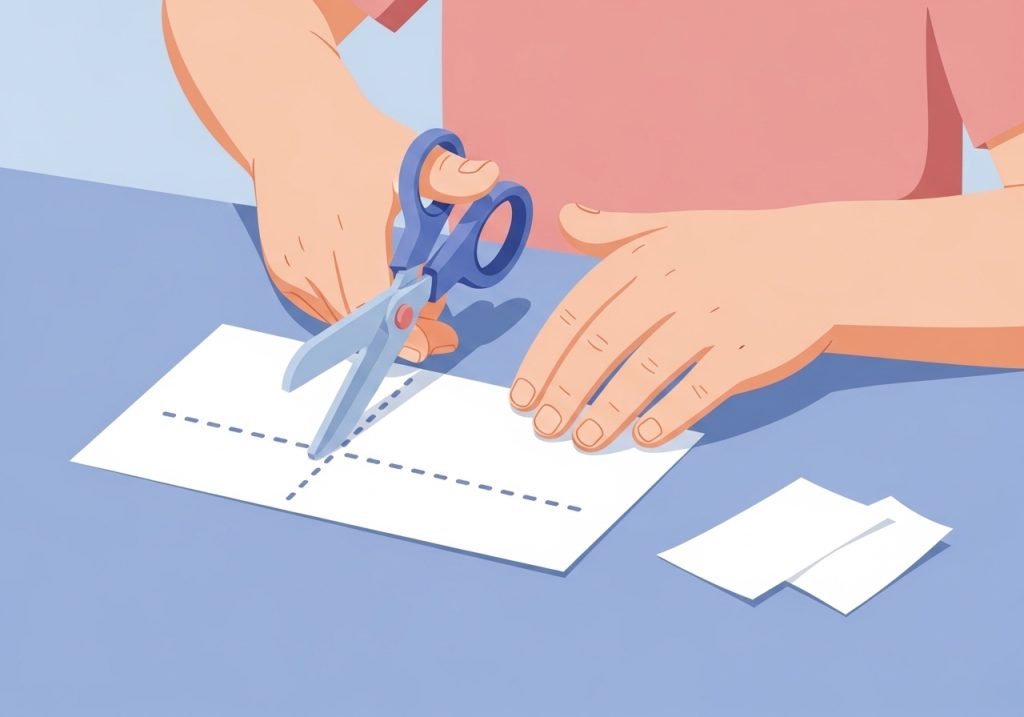
- Bilateral Coordination: Using both hands together in a coordinated way, such as holding paper steady while cutting with scissors.
- Hand-eye Coordination: Directing hand movements based on visual information, which is crucial for writing, drawing, and catching a ball.
Difficulties with fine motor skills can affect handwriting legibility, speed of work completion, and independence with tasks like getting dressed or eating. Targeted activities, from playing with dough to lacing beads, can effectively strengthen these small but mighty muscles.
Gross Motor Skills: Building Strength and Coordination
While fine motor skills involve small movements, gross motor skills use the large muscles of the body for balance, coordination, and locomotion. These are the skills we use for running, jumping, climbing, and even sitting upright at a desk. Strong gross motor development provides the stability and posture needed to perform fine motor tasks effectively.
Core components of gross motor skills are:
- Balance: Maintaining equilibrium while stationary (static balance) or moving (dynamic balance).
- Coordination: Synchronizing body movements for smooth, efficient action.
- Strength: The muscular force needed to move and hold the body’s position against gravity.
- Motor Planning: The ability to conceive, plan, and carry out an unfamiliar motor action.
Gross motor skills are not just for the playground. They impact classroom success by enabling a child to sit with good posture, carry a lunch tray without spilling, and navigate a busy hallway. While they seem distinct, it’s helpful to understand the key differences between gross and fine motor skills and how they support each other.
Visual Motor and Visual Perceptual Skills
These two skill sets are closely related but distinct. Visual motor skills, often called eye-hand coordination, are about physically responding to what we see. It’s the ability to guide our hand movements based on visual input. Copying shapes, cutting on a line, and catching a ball are all visual motor tasks.
Visual perceptual skills, on the other hand, are about how the brain interprets and makes sense of what the eyes see. This is a cognitive process that doesn’t necessarily involve a motor action. It includes abilities like:
- Visual Discrimination: Noticing similarities and differences between objects or symbols (e.g., telling ‘b’ from ‘d’).
- Figure-Ground Perception: Finding a specific object in a busy background, like locating a specific book on a cluttered shelf.
- Visual Memory: Recalling what was seen after a brief period.
- Spatial Relations: Understanding how objects are positioned in space relative to oneself and other objects.
Both sets of skills are critical for reading, writing, and math. A student needs visual perception to recognize letters and numbers and visual motor skills to write them down correctly.
Sensory Processing: How We Interpret the World
Sensory processing, or sensory integration, is the neurological process of organizing sensations from one’s own body and the environment. It’s how we take in information through our senses (touch, sight, sound, smell, taste, movement, and body position) and turn it into appropriate behavioral and motor responses. For most people, this process happens automatically.

When sensory processing is inefficient, a learner might be over-responsive or under-responsive to sensory input. An over-responsive child might find typical classroom sounds overwhelming or dislike the feeling of certain clothing. An under-responsive child might constantly seek movement or touch to feel regulated. Difficulties with sensory processing can significantly impact a child’s ability to focus, manage their emotions, and participate in daily activities.
Social-Emotional and Regulation Skills
Social-emotional skills are the tools we use to understand and manage our emotions, feel and show empathy for others, establish and maintain positive relationships, and make responsible decisions. These skills are not innate; they are learned and developed through experience and practice.
This category includes:
- Self-Awareness: Recognizing one’s own emotions and thoughts.
- Self-Management: Regulating emotions, thoughts, and behaviors in different situations.
- Social Awareness: Taking the perspective of and empathizing with others.
- Relationship Skills: Communicating clearly, listening well, and cooperating with others.
These abilities are foundational for building friendships, working in groups, and navigating social rules. They are often developed in structured group settings like morning meetings, where learners can practice communication and cooperation in a supportive environment.
Executive Functioning: The Brain’s Management System
Executive functioning skills are a set of mental processes that help us connect past experience with present action. They are the “management system” of the brain, enabling us to plan, organize, remember instructions, filter distractions, and juggle multiple tasks successfully. These skills are crucial for goal-directed behavior.
Key executive functions include:
- Working Memory: Holding information in mind while performing complex tasks.
- Inhibitory Control: The ability to control impulses and resist distractions.
- Cognitive Flexibility: The capacity to switch perspectives or adjust to changing demands.
- Planning and Prioritizing: Creating a roadmap to reach a goal and deciding what’s most important.
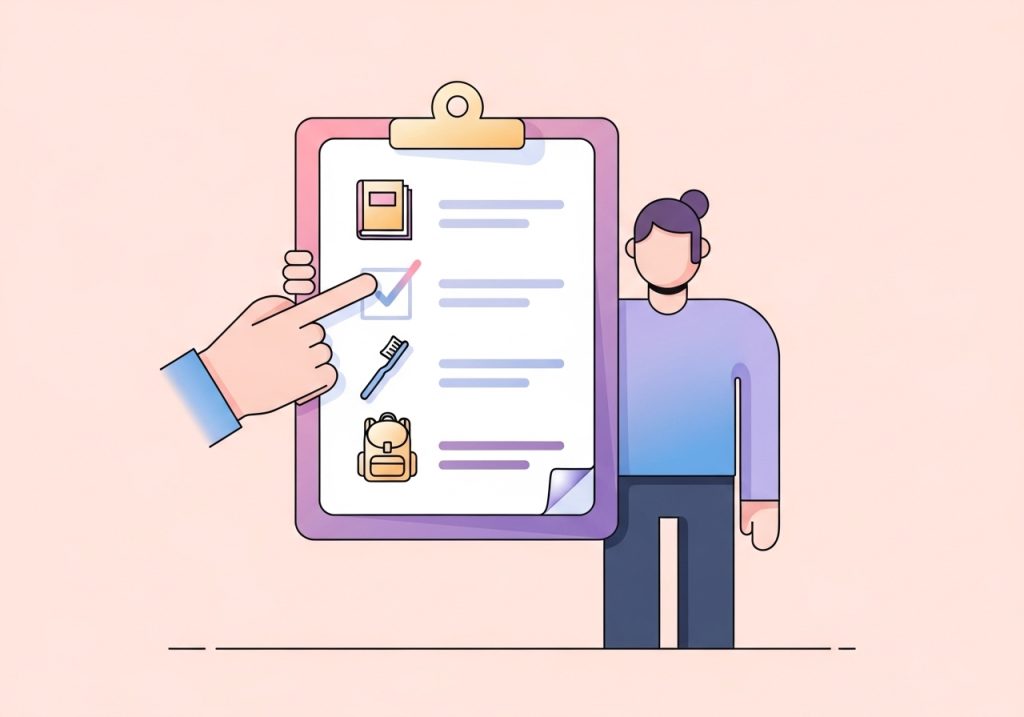
Difficulties in this area can make it hard for a student to start homework, keep their belongings organized, or manage long-term projects. Supporting these skills often involves using external tools like checklists and planners, and engaging in activities that build critical thinking and problem-solving abilities.
Supporting Different Types of Skills With Practical Resources
Each of these skill areas is distinct, yet they all work together. A child writing a story is using fine motor skills to hold the pencil, visual motor skills to form the letters, executive functions to organize their thoughts, and sensory processing to filter out classroom noise. Recognizing this interplay helps us provide holistic support.
Using well-designed, targeted resources can make a significant difference. Whether it’s a worksheet that isolates a specific visual perceptual challenge or a hands-on activity that strengthens pincer grasp, the right tool can make skill practice more engaging and effective. The goal is to provide opportunities for success that build both competence and confidence.
By understanding the main types of skills, we can better observe and support the learners in our care. This knowledge empowers us to be more effective partners in their developmental journey, providing the precise support they need to learn, grow, and thrive in all their environments.
Ready to put these concepts into practice? Finding the right tools can simplify your planning and make skill-building more effective and fun. The Inspiring OT offers a wide range of practical, OT-designed resources to support learners across all these essential skill areas.
Explore our collection of printable activities, worksheets, and guides to find the perfect low-prep solution for your classroom, clinic, or home.
Leave a Reply