

Helping children develop resilience and a positive approach to challenges is a fundamental goal for every therapist, teacher, and parent. One of the most effective frameworks for achieving this is through fostering a growth mindset, the belief that abilities and intelligence can be developed through dedication and hard work. By implementing targeted growth mindset activities, you can help learners understand that effort is the path to mastery and that mistakes are valuable opportunities for learning. This guide provides a practical, step-by-step approach to integrating these powerful concepts into your daily interactions.
Step 1: Understand the Core Concepts of Growth Mindset
Before you can effectively teach a growth mindset, it’s important to have a solid grasp of what it is and how it differs from a fixed mindset. These two belief systems create very different psychological worlds for learners. Understanding this distinction is the foundation for all subsequent strategies and activities.
A fixed mindset is the belief that qualities like intelligence or talent are innate and unchangeable. A person with a fixed mindset might believe they are either “good” or “bad” at something, with little room for improvement. This perspective often leads to avoiding challenges to prevent failure, giving up easily when faced with obstacles, and feeling threatened by the success of others.
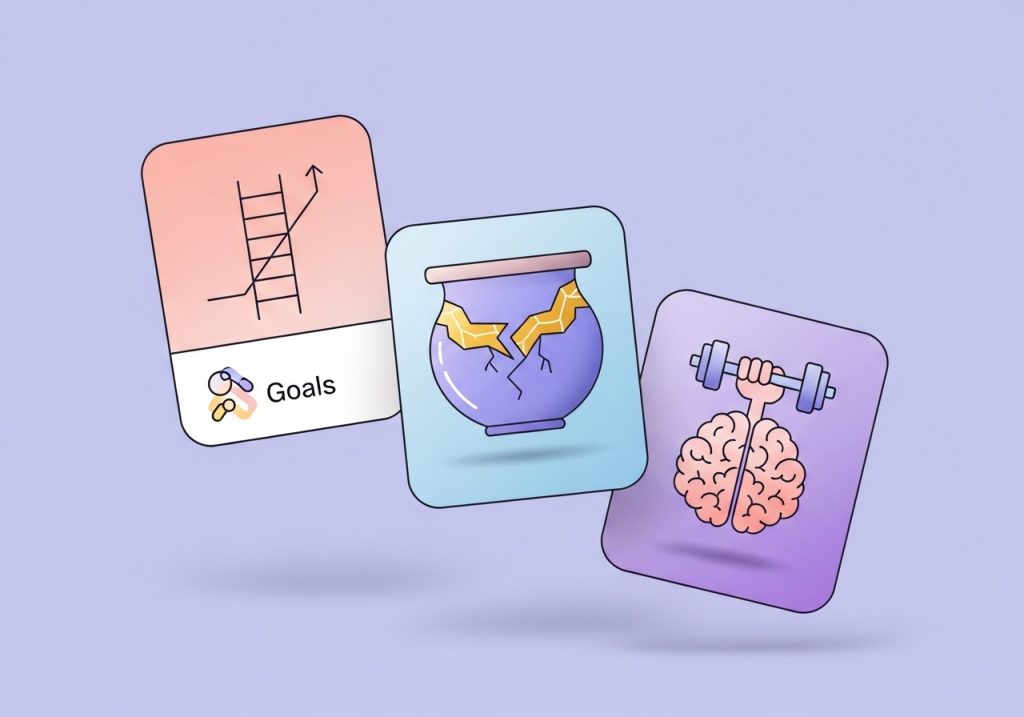
A growth mindset, on the other hand, is the belief that abilities can be cultivated and developed through effort, good strategies, and input from others. A person with a growth mindset sees challenges as opportunities to grow, understands that effort is essential for mastery, learns from criticism, and finds inspiration in the success of others. The brain is like a muscle that gets stronger with use.
Recognizing these two mindsets in a child’s language and behavior is the first step. When you hear “I’m just not good at math,” you are hearing a fixed mindset. The goal is to gently guide them toward thinking, “This is difficult, but I can improve with practice.”
Step 2: Use Language That Fosters Growth
The words we use have a profound impact on a child’s developing mindset. Praising the process rather than the person is one of the most significant shifts you can make. When we praise intelligence or talent (“You’re so smart!”), we inadvertently send the message that these traits are fixed. When the child later struggles, they may think they have lost that “smart” label. Instead, focus your praise and feedback on effort, strategy, persistence, and improvement.
This simple change in language helps children connect their successes to their actions, something they have control over. It empowers them to replicate those actions when faced with new challenges. Shifting your vocabulary is a powerful, continuous activity that reinforces a growth mindset in every interaction.
Examples of Growth-Oriented Language:
- Instead of: “You’re a natural at this.”
Try: “I can tell you’ve been practicing. Your hard work is paying off.” - Instead of: “You got an A without even studying? You’re so smart.”
Try: “That’s a great result. What strategy did you use to learn the material so well?” - Instead of: “Don’t worry, maybe math just isn’t your thing.”
Try: “This problem seems tricky. Let’s think of another way to approach it.” - Instead of: “You finished that puzzle so quickly!”
Try: “I noticed you tried different pieces until you found the one that fit. That was great problem-solving.”

Step 3: Introduce Specific Growth Mindset Activities
Once the foundational concepts and language are in place, you can introduce structured activities designed to teach and reinforce a growth mindset. These activities should be integrated into therapy sessions, classroom lessons, or home routines. The goal is to provide tangible experiences that show learners how their brains and skills can grow.
Activities for Embracing Challenges
Present learners with tasks that are intentionally challenging but achievable. This “desirable difficulty” helps them experience the satisfaction of overcoming an obstacle through persistence. Examples include complex puzzles, multi-step building projects, or learning a new physical skill. The key is to frame the challenge not as a test, but as a workout for their brain. Integrating problem-solving activities for skill development can be particularly effective here, as they directly teach students how to approach and work through difficult tasks.
Activities for Learning from Mistakes
Reframe mistakes as a normal and essential part of the learning process. Create a “marvelous mistakes” or “beautiful oops” journal where learners document an error, what they learned from it, and what they will try differently next time. This activity makes mistakes less threatening and transforms them into data points for future success. Discussing famous figures who experienced failure before achieving success can also be a powerful tool.
Activities for Setting and Pursuing Goals
Teach children how to set small, manageable goals and track their progress. This makes the connection between effort and outcome clear. For example, if a child is working on handwriting, the goal could be to form the letter ‘a’ correctly five times in a row. A simple chart can show their progress over time, highlighting their dedication. This approach is highly effective when you need to systematically teach life skills, as it breaks down complex tasks into achievable steps.
Step 4: Model a Growth Mindset Yourself
Children are keen observers, and they learn a great deal from watching the adults around them. Modeling a growth mindset in your own life is one of the most authentic ways to teach it. Let learners see you take on new challenges, persist through difficulties, and talk openly about your own learning process.
You can do this by verbalizing your thoughts. For example:
- “This new scheduling software is confusing, but I know I’ll figure it out if I keep practicing.”
- “I tried baking that recipe and it didn’t turn out well. I’m going to read the instructions again and see what I can do differently next time.”
- “I’m not sure how to solve this problem. I’m going to ask a colleague for their perspective.”
When you handle setbacks with grace and a positive, solution-oriented attitude, you show children that learning is a lifelong journey. This also applies to social situations. Modeling how to work through disagreements calmly and constructively teaches resilience in relationships, a skill often supported by tools like conflict resolution worksheets.
Step 5: Integrate Feedback and Reflection
Feedback is a gift that helps us grow, but it must be delivered in a way that supports a growth mindset. Effective feedback is specific, focused on the process, and provides clear next steps. Avoid generic praise like “Good job!” and instead offer observations that highlight effort and strategy. For example, “I saw how you carefully sounded out each word in that sentence. That strategy really helped you read it smoothly.”
Pairing feedback with reflection deepens the learning. Encourage learners to think about their own process with gentle questions:
- What did you do that helped you succeed at this?
- What was the most challenging part, and why?
- If you were to do this again, what would you do differently?
- What mistake did you make that taught you something?
These reflective practices help children become more self-aware and intentional in their learning. They begin to see themselves as active agents in their own development, capable of analyzing their performance and making strategic adjustments.
Fostering a growth mindset is not about a single lesson or activity. It is an ongoing commitment to a certain way of thinking, talking, and acting. By understanding the core concepts, using growth-oriented language, implementing specific activities, and modeling the behavior yourself, you can create an environment where children feel safe to take risks and are motivated to persist through challenges. The result is not just improved performance in therapy or academics, but the development of resilient, confident, and lifelong learners.
Ready to put these strategies into practice? Finding the right tools can make all the difference. For engaging, low-prep worksheets and activities designed by a licensed occupational therapist to build essential skills, explore the resources available at The Inspiring OT shop. Simplify your planning and help your learners thrive.
Leave a Reply