

Observing a learner’s unique responses to the world is a critical part of supporting their development. When you notice a child who seems overwhelmed by noise, avoids certain textures, or is in constant motion, it can be challenging to understand the underlying reasons. A checklist for sensory processing disorder provides a structured framework to document these observations, transforming scattered notes into meaningful patterns. This tool helps therapists, educators, and parents gather specific information about how a child processes sensory input, creating a clearer path toward effective support strategies.
Step 1: Understand the Purpose of a Sensory Checklist
Before you begin, it’s important to understand what a sensory checklist is and what it is not. A checklist is a screening and observation tool, not a diagnostic instrument. Only a qualified professional, typically an occupational therapist, can diagnose sensory processing disorder. The primary purpose of the checklist is to organize your observations in a systematic way. It helps you gather objective information about an individual’s responses to sensory experiences across different environments.
Think of the checklist as a guide for your professional judgment and observational skills. It helps you focus on specific behaviors related to the eight sensory systems: tactile (touch), auditory (hearing), visual (sight), olfactory (smell), gustatory (taste), vestibular (balance and movement), proprioceptive (body awareness), and interoceptive (internal body signals). By using a consistent format, you can collect data that is easier to analyze and share with other members of a child’s support team.
Step 2: Prepare for Consistent Observation
The value of a sensory checklist comes from comprehensive and consistent observation. A single snapshot of behavior is not enough to identify meaningful patterns. Before you start filling out the form, create a plan to observe the individual in various settings and at different times of the day. Sensory responses can change depending on the environment, the activity, and the person’s level of fatigue or stress.
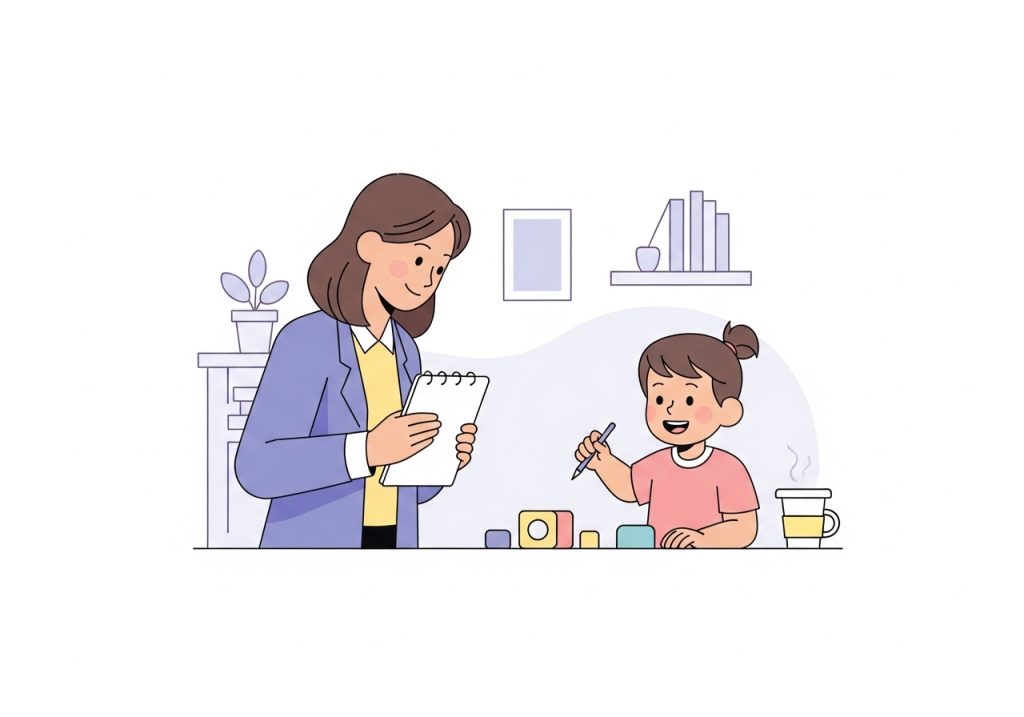
Consider observing during these situations:
- Structured activities: Such as classroom instruction, circle time, or a therapy session.
- Unstructured activities: Like free play, recess, or time in the playground.
- Transitions: Moving from one activity or location to another.
- Mealtimes: Note reactions to food textures, smells, and the social environment.
- Quiet times and active times: Compare behaviors during calming activities versus high-energy ones.
Gathering information from multiple sources is also beneficial. If you are a therapist, ask the child’s teacher and parents to contribute their observations. This collaborative approach provides a more complete picture of the child’s sensory processing across all aspects of their life.
Step 3: Complete the Checklist for Sensory Processing Disorder
When you are ready to fill out the checklist, approach it methodically. Read each item carefully and reflect on your observations. Most checklists use a rating scale to indicate the frequency or intensity of a behavior, such as “never,” “sometimes,” or “always.”
As you work through the items, try to be as objective as possible. Instead of just marking a rating, jot down specific examples in the margins or in a separate notebook. For example, if the checklist asks about reactions to loud noises, you might write, “Covers ears and cries when the school bell rings.” These concrete examples provide valuable context and are incredibly useful when discussing the results with others.
A comprehensive checklist will typically include questions related to:
- Sensory Modulation: Over- or under-responsiveness to sensory input (e.g., being easily distracted by sounds or not noticing when their name is called).
- Sensory Discrimination: Difficulty interpreting the qualities of sensory stimuli (e.g., struggling to tell the difference between similar-looking letters or using too much force when writing).
- Postural and Motor Skills: Challenges with balance, coordination, and body awareness that are related to sensory processing.
Take your time with this step. Rushing can lead to inaccurate information. It is better to leave an item blank and come back to it after more observation than to guess.
Step 4: Analyze the Results to Identify Patterns
Once the checklist is complete, the next step is to analyze the information you have gathered. Look for patterns and trends in the responses. Are the challenges primarily concentrated in one or two sensory systems? For example, does the child show sensitivity across multiple auditory and tactile items?

Organize your findings by identifying common themes. Some key patterns to look for include:
- Sensory Seeking: The individual craves intense sensory input. They may constantly touch objects, make loud noises, or enjoy spinning and crashing.
- Sensory Avoiding: The person is overwhelmed by sensory input and tries to limit their exposure. They might avoid crowds, picky eating, or dislike being touched.
- Low Registration: The individual seems unaware of sensory stimuli that others notice easily. They may not respond to their name or seem to notice messes on their hands or face.
Pay close attention to any indications of difficulty with sensory discrimination. This is when the brain struggles to interpret and give meaning to sensory information, which can impact academic skills and motor coordination. A good understanding of these concepts is helpful for developing effective discrimination training and support strategies. The patterns you identify will form the basis for creating targeted and effective interventions.
Step 5: Use the Findings to Collaborate and Plan
The completed checklist is not an endpoint. It is a powerful tool to facilitate communication and collaborative planning. Schedule a meeting with the child’s support team, including parents, teachers, and other relevant professionals, to discuss the findings. The checklist provides specific, observable behaviors to talk about, which can make these conversations more productive.

Use the identified patterns to brainstorm and develop appropriate strategies and accommodations. For instance:
- If a child is sensory seeking, you might incorporate movement breaks, provide fidget tools, or use weighted lap pads.
- For a child who is sensory avoiding, strategies could include providing noise-canceling headphones, offering alternative seating, or giving advance warning about loud noises.
These strategies are often integrated into daily routines to support a child’s overall function and participation. Creating a well-regulated sensory system is foundational to growth in other areas, and this information can help you better plan how to systematically teach life skills. The checklist helps ensure that everyone is working from the same information and toward the same goals, creating a consistent and supportive environment for the learner.
In summary, using a sensory processing checklist is a practical way to translate complex behaviors into actionable information. By following a structured process of observation, documentation, analysis, and collaboration, you can gain valuable insights into an individual’s sensory needs. This information allows you to create targeted, effective strategies that truly support their ability to participate, learn, and thrive in their daily lives. The checklist becomes the starting point for a proactive and informed approach to sensory support.
Ready to put these ideas into practice? Finding the right tools can make all the difference. At The Inspiring OT, you’ll find a collection of practical, evidence-informed resources designed by an experienced occupational therapist. Explore our shop for printable activities, assessments, and guides to support sensory processing, fine motor skills, emotional regulation, and more. Visit The Inspiring OT on Teachers Pay Teachers to discover engaging, low-prep materials that simplify your planning and help every learner succeed.
Leave a Reply