

Choosing the right after-school program is a significant decision for parents, educators, and therapists. The goal is to find an activity that is not only enjoyable for a child but also supports their ongoing development. With so many options available, it can be challenging to know where to start. This guide provides a structured approach to selecting a program, complete with extracurricular activities examples categorized by the skills they help build. By aligning a child’s interests with specific developmental goals, you can find an activity that fosters growth, confidence, and a genuine sense of accomplishment.
Step 1: Identify Your Child’s Interests and Strengths
The foundation of a successful extracurricular experience is genuine interest. When a child is intrinsically motivated, they are more likely to stay engaged, practice skills, and persevere through challenges. Begin by observing what your child gravitates toward during free time. Do they spend hours building with blocks, creating detailed drawings, or organizing imaginative games? These preferences offer valuable clues about their natural strengths and passions.
You can gather information by:
- Observing their play: Notice the themes, materials, and actions they prefer. This can reveal an interest in construction, storytelling, physical movement, or problem-solving.
- Asking direct questions: Inquire about what they enjoy at school or what they would like to learn. Frame it as an exciting opportunity rather than a requirement.
- Talking with their teacher: Educators often see a different side of a child’s personality and can provide insight into their social interactions and academic strengths in a group setting.
Focusing on strengths first helps build self-esteem. An activity that allows a child to feel competent can provide the confidence they need to tackle areas that are more challenging.
Step 2: Define Core Skill Development Goals
Once you have a sense of your child’s interests, the next step is to consider which developmental skills you want to target. This turns the selection process into a more purposeful exercise. For therapists and special educators, these goals may align with an Individualized Education Program (IEP). For parents, it might involve supporting a skill they’ve noticed their child struggling with. When setting goals, it can be helpful to review a developmental milestones checklist to identify appropriate areas for growth.
Consider focusing on one or two key areas, such as:
- Fine Motor Skills: Hand strength, dexterity, and hand-eye coordination.
- Gross Motor Skills: Balance, coordination, strength, and body awareness.
- Social Skills: Turn-taking, cooperation, communication, and empathy.
- Emotional Regulation: Managing frustration, expressing feelings appropriately, and developing coping strategies.
- Executive Functioning: Planning, organizing, and following multi-step directions.
Having clear goals will help you filter the many options and choose an activity that offers tangible benefits beyond just being fun.
Step 3: Review Extracurricular Activities Examples by Category
With interests and goals in mind, you can now explore specific activities. Matching a child’s passion to a program that supports a target skill is the key to a productive and enjoyable experience. Below are examples categorized by the primary skills they develop, though many activities offer benefits across multiple domains.
For Fine Motor and Visual Motor Skills
These activities require precise hand movements and coordination, which are essential for tasks like handwriting and dressing.
- Art Classes (Drawing, Painting, Sculpture): Holding brushes, pencils, or shaping clay builds hand strength and control.
- Pottery: Working on a pottery wheel requires bilateral coordination and significant hand and finger strength.
- LEGO or Robotics Clubs: Connecting small pieces refines pincer grasp and dexterity. Following instructions also supports visual-motor integration.
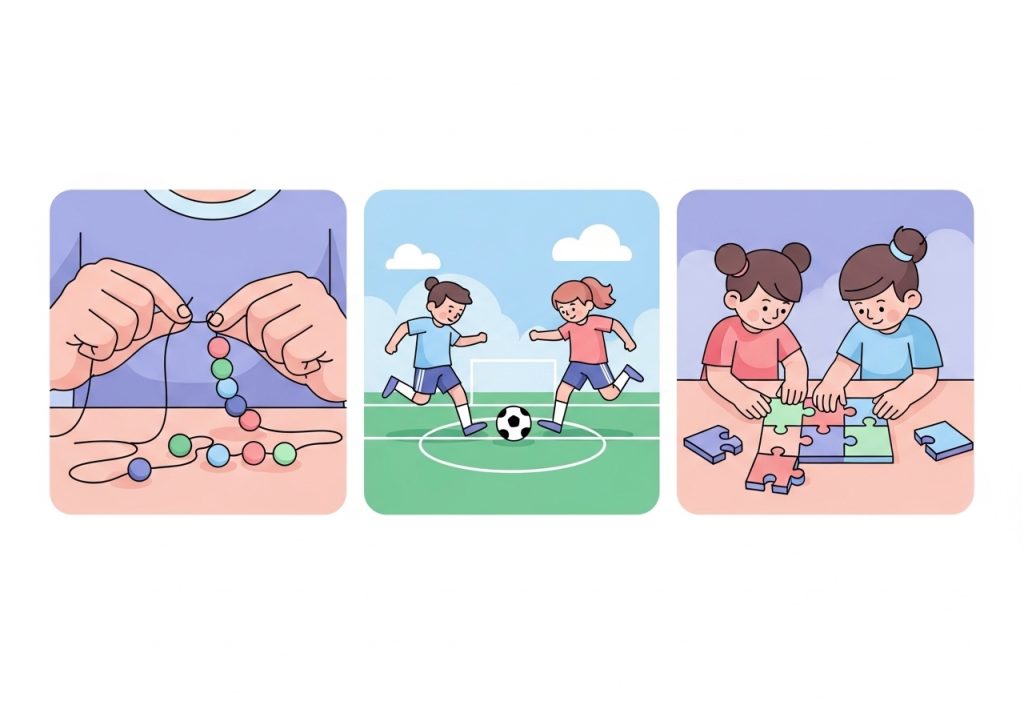
- Jewelry Making or Beading: Threading beads onto a string is an excellent way to practice fine motor precision and hand-eye coordination.
For Gross Motor Skills and Coordination
These activities involve large muscle groups and help develop balance, strength, and overall body awareness.
- Team Sports (Soccer, Basketball): Running, jumping, and kicking improve coordination and cardiovascular health while also offering social benefits.
- Dance or Gymnastics: These activities enhance flexibility, balance, body control, and the ability to follow sequences of movements.
- Martial Arts (Karate, Tae Kwon Do): Martial arts are excellent for developing discipline, focus, and coordinated movements.
- Swimming: A low-impact activity that builds full-body strength and coordination.
For Social Skills and Collaboration
Many children benefit from structured opportunities to practice communication, cooperation, and empathy in a group setting.
- Drama or Theater Club: Improvisation and role-playing help children practice perspective-taking and reading social cues in a safe environment.
- Scouting Programs: These programs are built around teamwork, community service, and collaboration on shared goals.
- Group Music Lessons or Choir: Working together to create a unified sound requires listening, timing, and cooperation. It also teaches members how to practice strategies for resolving conflicts that may arise within the group.
For Executive Functioning and Life Skills
These activities help children develop crucial skills for planning, organization, and independent living.
- Cooking or Baking Classes: Following a recipe involves sequencing, measuring, and time management. This is a practical way of systematically teaching life skills in a functional context.
- Coding Clubs: Programming requires logical thinking, planning, and problem-solving to create a functional outcome.
- Chess Club: Chess teaches strategic thinking, planning ahead, and considering the consequences of one’s actions.
Step 4: Evaluate Practical Factors and Accessibility
After narrowing your list, it is time to consider the practical aspects. An ideal activity is one that fits realistically into your family’s life. A program that causes stress due to logistics is not sustainable, no matter how beneficial it seems.
Key factors to evaluate include:
- Schedule and Commitment: How many days a week is the activity? Does the schedule conflict with homework, therapy sessions, or family time? Be mindful of the risk of over-scheduling, which can lead to burnout.
- Cost: Consider registration fees, required equipment, uniforms, and any travel expenses. Look for community centers or local organizations that may offer lower-cost options.
- Location and Transportation: Proximity is a major factor. A long commute can add stress for both the child and the parent.
- Instructor Qualifications: Look for instructors who have experience working with children, especially those with diverse needs. A patient, encouraging, and knowledgeable leader makes a significant difference.
Step 5: Plan for Adaptations and Support
For children with sensory processing differences, learning disabilities, or other challenges, success in an extracurricular activity often depends on thoughtful planning and support. Proactive communication with the program instructor is essential. Before enrolling, discuss your child’s needs and ask about the program’s willingness and ability to make accommodations.
Simple adaptations can make a huge impact. These might include:
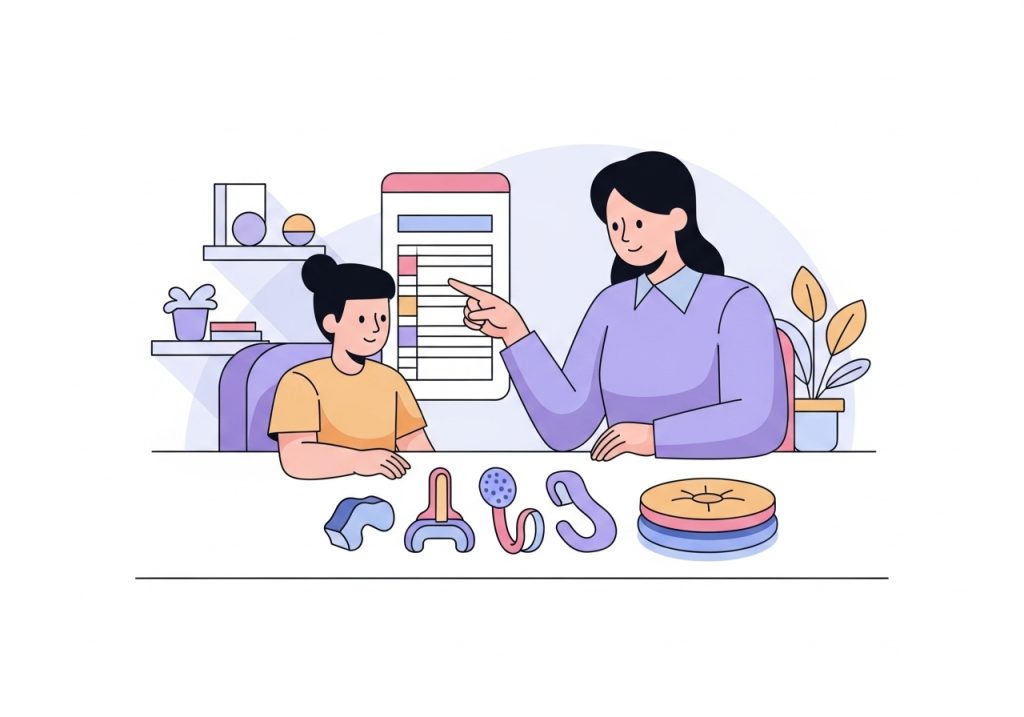
- Providing a visual schedule of the class routine.
- Allowing the use of sensory tools, like noise-reducing headphones or a weighted lap pad.
- Modifying equipment, such as using a larger ball or a pencil grip.
- Breaking down multi-step instructions into smaller, more manageable parts.
- Arranging for a designated quiet space if the child becomes overwhelmed.
By partnering with the instructor, you can create an environment where your child feels understood and has the tools they need to participate successfully.
Choosing the right extracurricular activity is a process of balancing a child’s interests with clear developmental objectives and practical considerations. It is not about filling a schedule but about providing meaningful opportunities for growth. An activity that aligns with a child’s passions and provides the right level of challenge can build skills, boost confidence, and foster a lifelong love of learning. By using this structured approach, you can confidently select a program that not only entertains but also empowers your learner to thrive.
Find More Tools to Support Skill Development
Looking for more ways to support skill development between activities? Our shop offers a wide range of printable, OT-designed resources that make learning engaging. Find low-prep worksheets, guides, and activities to reinforce fine motor, sensory processing, and life skills at home, in the classroom, or during therapy sessions. Explore our collection to find the perfect tools to complement your learner’s journey.
Leave a Reply