

The summer break offers a welcome change of pace, but for many therapists, educators, and parents, it also brings a common concern: the summer slide. This is the tendency for students to lose some of the academic and developmental skills they gained during the school year. One effective way to bridge this gap is through the strategic use of summer worksheets. When chosen thoughtfully and used creatively, these resources can be powerful tools for maintaining fine motor, visual motor, handwriting, and cognitive skills without feeling like a chore.
This guide provides a step-by-step approach to help you select, schedule, and implement summer learning activities. By focusing on targeted practice and engagement, you can transform worksheets from simple drills into meaningful opportunities for growth. The goal is to keep learning light and consistent, preventing skill loss and ensuring learners are ready to succeed when the new school year begins.
Step 1: Identify Key Skill Areas for Summer Focus
The first step in using summer worksheets effectively is to determine which skills need the most reinforcement. A one-size-fits-all approach is rarely successful. Instead, take a few moments to reflect on the individual learner’s specific needs. This targeted strategy ensures that the practice is meaningful and addresses areas where regression is most likely to occur.
Consider these key developmental domains:
- Fine Motor Skills: This includes pencil grasp, scissor skills, hand strength, and in-hand manipulation. Does the learner need to work on cutting along lines, coloring within boundaries, or fastening buttons?
- Visual Motor Integration: This is the ability to coordinate visual information with motor movements. Activities like tracing, drawing shapes, and completing mazes target this skill. Think about whether the child struggles with copying from a board or spacing letters and words correctly.
- Handwriting: Look at letter formation, sizing, alignment, and legibility. Summer is an excellent time to practice forming letters correctly without the pressure of classroom assignments.
- Executive Functioning Skills: These are the mental processes that enable us to plan, focus attention, and juggle multiple tasks. Worksheets involving sequencing, planning, and following multi-step directions can support this area.
- Academic Skills: Reinforce foundational literacy or numeracy concepts that were challenging during the school year. This could be anything from letter recognition to simple math problems.
For a structured way to assess where a child is, you might find it helpful to use a guide for creating a developmental milestones checklist. By pinpointing two or three priority areas, you can search for resources that directly support those goals, making your summer learning plan both efficient and effective.
Step 2: Select Developmentally Appropriate Summer Worksheets
Once you have identified the target skills, the next step is to find the right materials. The market is filled with summer worksheets, but not all are created equal. The key is to select activities that are developmentally appropriate, meaning they match the learner’s current abilities while offering a gentle challenge to promote growth.
When choosing worksheets, consider the following criteria:
- Clear and Uncluttered Design: Visually busy pages can be overwhelming for many learners, especially those with attention or sensory processing challenges. Look for clean layouts with simple instructions and adequate white space.
- Engaging Themes: Summer-themed activities featuring sunshine, beaches, or ice cream can make practice more enjoyable and relevant. Connecting the tasks to familiar, positive concepts increases motivation.
- Variety of Tasks: A good worksheet packet will offer a mix of activities. For example, a fine motor packet might include tracing, cutting, coloring, and hole-punching tasks to keep the practice dynamic and work different small muscle groups.
- “Just Right” Challenge: The activities should not be too easy or too difficult. If a task is too simple, the learner will be bored. If it’s too hard, they will become frustrated. Look for resources that may offer different levels of difficulty or can be easily adapted.

Remember that the goal is to maintain skills, not to introduce complex new concepts. The familiarity of the tasks will help build the learner’s confidence and encourage independent work. Seek out resources created by professionals like occupational therapists or educators, as these are often designed with specific developmental goals in mind.
Step 3: Create a Consistent and Flexible Schedule
Consistency is more important than duration. Short, regular practice sessions are far more effective at preventing skill regression than long, infrequent ones. Aim to integrate worksheet time into the daily routine in a way that feels natural and predictable, not punitive. Summer is a time for fun and relaxation, and the learning schedule should reflect that.
Here are some tips for building a practical schedule:
- Establish a “Worksheet Window”: Designate a specific time of day for these activities. For some families, this might be 15 minutes after breakfast while the day is still calm. For others, it could be during a quiet period after lunch. A predictable routine helps manage expectations.
- Keep it Short and Sweet: A 10 to 20-minute session is often enough to provide meaningful practice without causing burnout. Use a timer to help the learner understand that the activity has a clear end point.
- Offer Choices: Empower the learner by giving them some control. You could say, “It’s time for our skill practice. Would you like to do the maze worksheet or the cutting worksheet today?” This simple choice can significantly increase buy-in.
- Be Flexible: Life happens, especially during the summer. If you have a busy day planned with a trip to the pool or a playdate, it’s okay to skip a day. The goal is to build a positive association with learning, not to adhere to a rigid schedule. Don’t force it if the child is tired or resistant; try again later or the next day.
By framing these sessions as a normal part of the summer day, much like brushing teeth or reading a bedtime story, you can minimize resistance and make skill maintenance a seamless part of your routine.
Step 4: Make Worksheet Time Engaging and Multi-Sensory
Worksheets do not have to be limited to just a pencil and paper. Transforming these activities into multi-sensory experiences can deepen learning and make the practice much more engaging. This is especially true for kinesthetic learners who benefit from hands-on activities. Combining worksheets with other tools and movements helps reinforce skills in a more memorable way.
Think beyond the page with these ideas:
- Warm-Up Activities: Before starting a handwriting or fine motor worksheet, do a quick warm-up. This could involve rolling therapy putty, squeezing a stress ball, or using tongs to pick up pom-poms. These activities wake up the small muscles in the hands and prepare them for controlled movements.
- Adapt the Tools: Who says you have to use a pencil? Let the learner trace lines with their finger, a paintbrush and water, or a dry-erase marker on a laminated sheet. Use broken crayons to encourage a proper tripod grasp.
- Incorporate Manipulatives: For a counting worksheet, use small blocks or beads to represent the numbers. For a letter-matching worksheet, use magnetic letters. Connecting the abstract concept on the page to a tangible object makes it more concrete.
- Add a Movement Component: Before doing a worksheet that involves crossing the midline, play a game like Simon Says that encourages reaching across the body. You can also incorporate real-world scenarios that build on the worksheet’s theme, turning a simple page into a launching point for broader functional problem solving activities.
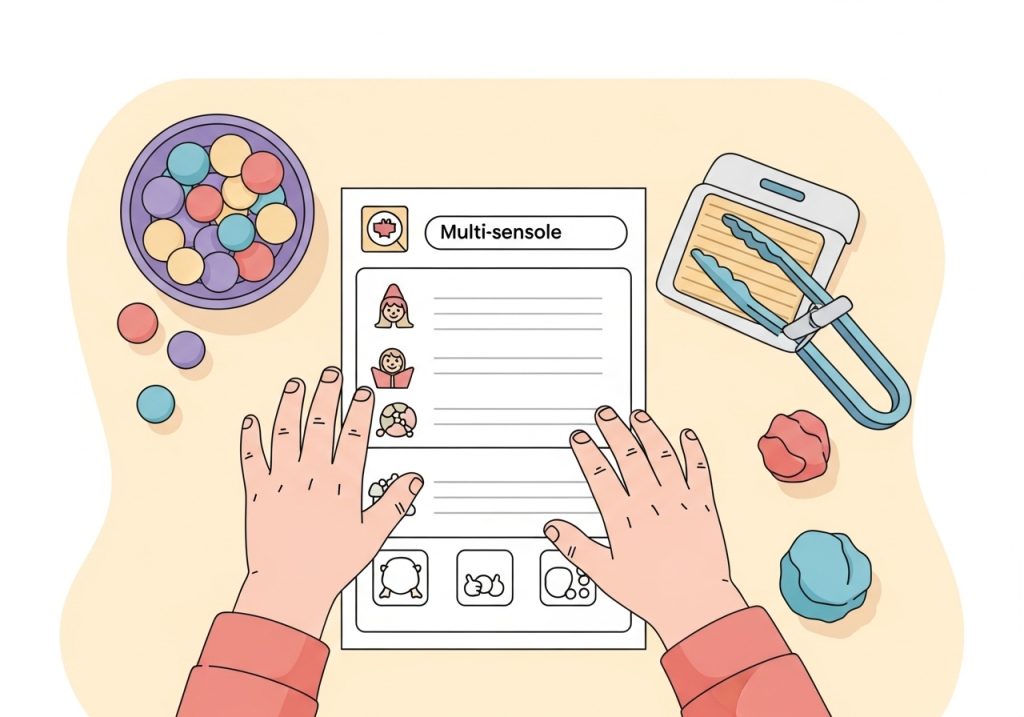
By integrating sensory and motor elements, you are not just preventing skill loss; you are helping the brain build stronger, more efficient pathways for learning. This approach makes the practice more effective and much more fun.
Step 5: Review Progress and Celebrate Success
Positive reinforcement is essential for keeping a learner motivated. The final step is to create a system for acknowledging effort and celebrating progress, no matter how small. This helps build confidence and fosters a positive attitude toward learning. When learners feel successful, they are more likely to stay engaged.
Here’s how you can track progress and provide encouragement:
- Focus on Effort, Not Perfection: Praise the learner for trying their best, staying on task, or having a positive attitude. Instead of saying, “Your letters are messy,” you could say, “I love how carefully you are working on forming your letters.” This approach supports the development of a positive learning mindset, which is a key part of using growth mindset activities effectively.
- Create a Visual Tracker: Use a simple sticker chart or create a “Done” folder where the learner can store their completed worksheets. Seeing their collection of finished work grow over the summer can be a powerful visual motivator.
- Share Their Work: Display a completed worksheet on the refrigerator or encourage the learner to show it to another family member. This validates their hard work and makes them feel proud of their accomplishments.
- Periodically Re-Evaluate: After a few weeks, check in to see how things are going. Are the worksheets still at the right level? Is the learner ready for a new challenge, or do they need more practice in a certain area? Adjust your plan as needed to ensure the activities remain beneficial.
By ending each session on a positive note and regularly acknowledging their hard work, you reinforce that learning is a rewarding process. This positive association is just as important as the skill practice itself.
Using summer worksheets to prevent skill loss is about more than just keeping kids busy. It is a strategic way to provide targeted practice that reinforces learning, builds confidence, and ensures a smoother transition back to school. By identifying key skills, choosing appropriate materials, setting a flexible schedule, making it fun, and celebrating every success, you can create a positive and productive summer learning experience. This thoughtful approach helps learners retain what they have learned and start the next school year ready to thrive.
Ready to find effective, low-prep resources to support your learner this summer? Explore our collection of OT-designed activities, printables, and summer worksheets to make skill-building simple and engaging. Visit The Inspiring OT shop to find the perfect tools for your summer toolkit.
Leave a Reply