
Self regulation zones are a cognitive-behavioral framework that uses four colors to help learners systematically identify their feelings and energy levels, providing a simple vocabulary for emotional awareness. This approach, known as The Zones of Regulation®, was created by occupational therapist Leah Kuypers to help individuals recognize their internal states and learn to use tools to manage them. For therapists, educators, and parents, understanding this framework can be a powerful way to support a learner’s emotional growth and ability to navigate different situations effectively.
What Are Self Regulation Zones?
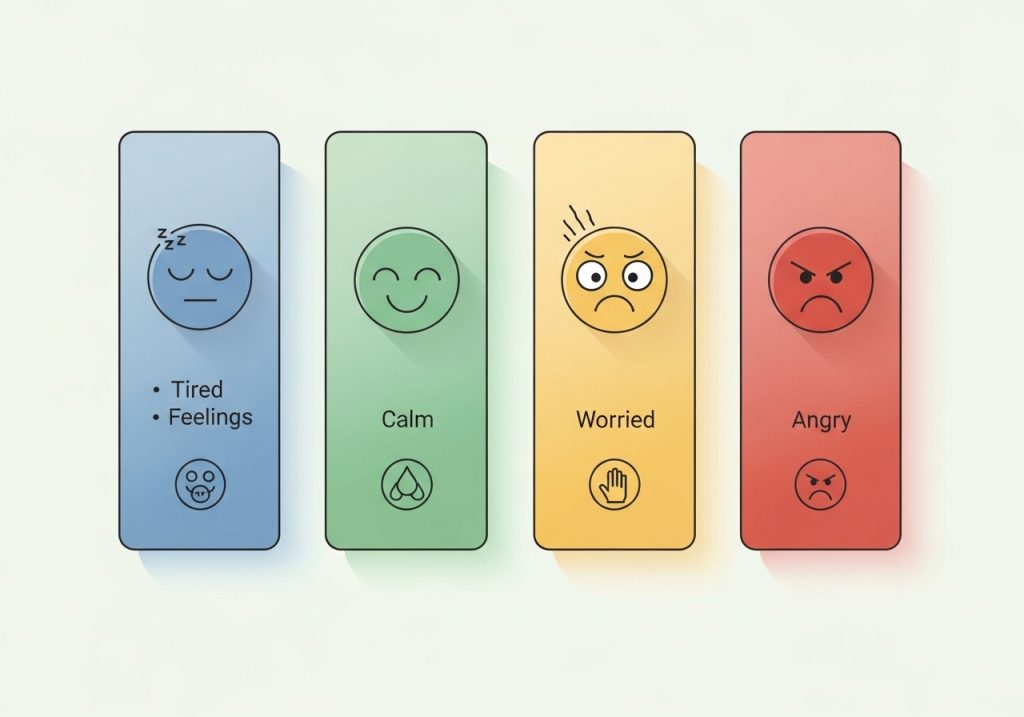
The concept of self regulation zones organizes the complex world of human feelings into four distinct, color-coded categories: Blue, Green, Yellow, and Red. Each color represents a different state of alertness and emotional control. This system is not about labeling feelings as “good” or “bad.” Instead, it teaches that all zones are natural and experienced by everyone. The goal is to provide individuals with the language to identify which zone they are in and access a toolbox of strategies to manage their state, with the aim of returning to the Green Zone, which is ideal for learning and interaction.
By simplifying emotional states into colors, the framework makes abstract concepts concrete and accessible. It helps learners build a mental model for their internal experiences. This is particularly helpful for children and individuals who may struggle to find the right words for their feelings. The zones provide a shared, non-judgmental language that facilitates communication between the learner and the adults supporting them, creating a foundation for co-regulation and eventually, independent self-regulation.
Why This Framework Is Effective for Skill Development
Implementing a zones-based approach offers several clear benefits for building essential life skills. It shifts the focus from merely reacting to behavior to proactively teaching self-management. Learners who understand their zones can better navigate academic, social, and personal challenges.
The key advantages include:
- Improved Emotional Literacy: Learners develop a more nuanced understanding of their feelings and how those feelings affect their bodies and actions. They learn to recognize early signs of dysregulation.
- Simplified Communication: Using colors and simple terms like “I’m in the Yellow Zone” removes the pressure of articulating complex emotions. This allows a child to communicate their needs quickly and effectively before becoming overwhelmed.
- Proactive Strategy Use: The framework explicitly links each zone to a set of tools or strategies. This empowers individuals to make conscious choices to manage their state, such as taking a deep breath in the Yellow Zone or doing jumping jacks in the Blue Zone.
- Reduced Stigma: Because the zones normalize all feelings, it reduces any shame associated with being in the Yellow or Red Zone. It teaches that the goal is not to avoid these zones but to learn how to move through them skillfully.
- Increased Self-Awareness: Regular check-ins and reflection help individuals become more attuned to their internal states. This metacognitive skill is crucial for problem-solving, decision-making, and building healthy relationships.
A Closer Look at the Four Zones of Regulation
Understanding what each zone represents is the first step to using the framework effectively. Each color corresponds to a general state of alertness and the feelings associated with it. Here is a breakdown of the four self regulation zones.
The Blue Zone
The Blue Zone describes a state of low alertness. When a person is in the Blue Zone, their body or brain is moving slowly. Associated feelings include sadness, sickness, tiredness, or boredom. It is difficult to engage in tasks or social situations when in this zone.
The Green Zone
The Green Zone is the ideal state for learning and social engagement. This is a state of calm alertness where a person feels happy, calm, focused, and ready to learn. While we can learn in other zones, the nervous system is best primed for new information in the Green Zone. The goal of self-regulation is often to return to this state of control and readiness.
The Yellow Zone
The Yellow Zone describes a heightened state of alertness. A person has more energy but is beginning to lose some control. Feelings in the Yellow Zone can include stress, frustration, anxiety, excitement, silliness, or nervousness. This zone is a crucial checkpoint, as recognizing you are here can prompt you to use a strategy to prevent escalating to the Red Zone.
The Red Zone
The Red Zone is for extremely heightened states of alertness and intense emotions. A person in the Red Zone is feeling overwhelmed and is no longer in control of their body. This includes feelings like intense anger, rage, explosive behavior, terror, or devastation. The priority in this zone is ensuring safety and using strategies to de-escalate.
How to Implement the Zones in Your Practice or Classroom
Introducing the zones requires a structured and consistent approach. The focus should be on teaching, not punishing. The goal is to build skills and awareness over time.
- Teach the Concepts Explicitly: Begin by teaching the four colors and the feelings that go with them. Use visuals, stories, and role-playing to make the concepts clear. Sort pictures of facial expressions or characters from movies into the different zones.
- Create Visual Supports: Display posters of the zones in a visible location. Provide individual desk-sized visuals or a keychain version for learners to use as a personal tool. Visuals provide a constant reminder and support independent use of the framework.
- Model Your Own Zone: Adults should model identifying their own zones throughout the day. Saying “I’m feeling a little in the Yellow Zone because the traffic was loud this morning. I’m going to take a few deep breaths” shows that everyone experiences these feelings and models a healthy coping strategy.
- Incorporate Daily Check-ins: Make identifying zones a part of the daily routine. This could be a morning check-in where everyone points to their current zone on a chart. Integrating this into a daily schedule, similar to how one might use a visual schedule for a student with autism, helps normalize the practice and builds a habit of self-reflection.
- Build a Toolbox of Strategies: Work with learners to identify strategies that help them manage each zone. This should be a collaborative process. What works for one person may not work for another. Create a visual menu of these tools for easy reference.
Tools and Activities to Support Each Zone
A core part of the zones framework is developing a toolbox of strategies that help a learner manage their state of alertness. These tools can be sensory-based, cognitive, or movement-based. The key is to match the tool to the needs of the specific zone.

Strategies for the Blue Zone (Low Alertness)
The goal here is to increase alertness and energy levels in a controlled way.
- Take a short, brisk walk.
- Do wall push-ups or chair push-ups.
- Listen to upbeat music.
- Have a cold drink of water or eat a crunchy snack.
- Stretch or do simple yoga poses.
Strategies for the Green Zone (Ideal State)
While in the Green Zone, the goal is to maintain this state. Activities should be focused and purposeful.
- Engage in learning tasks.
- Practice mindful breathing to stay calm.
- Work on a favorite hobby.
- Help a classmate or family member.
Strategies for the Yellow Zone (Heightened Alertness)
The goal is to calm the nervous system and increase focus to prevent escalation.
- Take a short break in a quiet space.
- Squeeze a stress ball or use other fidget tools.
- Listen to calming music with headphones.
- Talk about the problem with a trusted adult.
- Do heavy work activities (e.g., carrying books, pushing a cart).
Strategies for the Red Zone (Overwhelmed)
The primary goal is safety and de-escalation. Thinking skills are limited, so simple, practiced strategies are best.
- Move to a pre-designated safe, quiet space.
- Use deep pressure (e.g., a weighted blanket or a big hug).
- Practice deep, slow breathing (like “box breathing”).
- Rip paper or squeeze clay to release physical energy safely.
Many of these strategies involve sensory input, which is a powerful regulator. For learners who respond well to tactile or movement-based input, incorporating ideas from practical sensory play can be an effective way to build their toolbox.
Using self regulation zones is a journey of teaching and learning, not a quick fix for challenging behavior. As a non-judgmental approach to understanding emotions, it empowers individuals with the self-awareness and skills needed to navigate their inner world. By providing a simple language and a toolbox of strategies, you can help learners build a strong foundation for lifelong emotional well-being and success.
Ready to put these concepts into practice? Supporting learners in developing self-regulation skills requires engaging, effective, and easy-to-use materials. To help you integrate these strategies into your therapy sessions, classroom, or home routine, explore the collection of OT-designed resources at The Inspiring OT shop. You will find practical printables, activities, and guides crafted to make skill-building accessible and successful. Visit The Inspiring OT on Teachers Pay Teachers to find your next resource.
Leave a Reply