
The first day of school can bring a mix of excitement and apprehension for students, parents, and educators alike. For many children, this transition is accompanied by nervousness often called the “first day jitters.” Creating a supportive and calm environment is crucial for helping students feel safe and ready to learn. Thoughtfully planned first day jitters activities can make a significant difference, turning anxiety into a positive experience. These strategies, grounded in occupational therapy principles, focus on regulation, connection, and gentle engagement to set a welcoming tone from the moment students walk through the door.
Establish a Sensory Grounding Station
A sensory grounding station, sometimes called a calm-down corner or peace corner, is a designated space where students can go to self-regulate. It is not a time-out area but a supportive tool for managing overwhelming feelings. The first day of school introduces countless new sights, sounds, and social demands, which can be overstimulating for any child’s nervous system. A grounding station provides a predictable, quiet retreat equipped with tools that offer calming sensory input.
The effectiveness of this space comes from providing targeted tactile and proprioceptive (deep pressure) input, which helps organize the nervous system and reduce anxiety. When setting up your station, focus on items that are simple, durable, and intuitive to use. It’s important to introduce the space to all students on the first day, explaining its purpose as a place to help their bodies feel calm and focused. Model how to use each item correctly and set clear expectations for its use, such as one student at a time for a few minutes.

What to Include in Your Station:
- Weighted Items: A weighted lap pad or a weighted stuffed animal can provide calming deep pressure input that has a soothing effect.
- Fidget Tools: Offer a small selection of quiet fidgets, such as stress balls, textured noodles, or smooth stones. These allow for subtle movement that can help release nervous energy without distracting others.
- Visual Timers: A liquid motion bubbler or a sand timer can provide a calming visual focus and give students a concrete sense of time as they take a break.
- Tactile Objects: Include items with a variety of textures, like a soft piece of fleece, a bumpy sensory ball, or a sequin cushion that changes color when touched.
Introduce a Mindful Breathing Buddy
Mindful breathing is a powerful technique for calming the nervous system, but the abstract concept of “deep breathing” can be difficult for young children to grasp. A “breathing buddy” makes this practice concrete, tangible, and fun. This strategy uses a small stuffed animal or beanbag that a child places on their stomach while lying on their back. The simple act of watching the buddy rise with each inhale and fall with each exhale provides immediate visual feedback.
This technique directly engages the diaphragm, promoting the slow, deep breaths that stimulate the vagus nerve and activate the body’s relaxation response. It shifts a child’s focus from anxious thoughts to the physical sensation of their breath. You can introduce this as a whole-group activity on the first day. Dim the lights, play soft music, and guide students through the process in a calm, gentle voice. This shared experience helps build a sense of community while teaching a valuable self-regulation skill that students can use throughout the year. As noted by experts at Understood.org, openly talking about feelings and practicing calming strategies helps normalize anxiety and empowers children with tools to manage it.
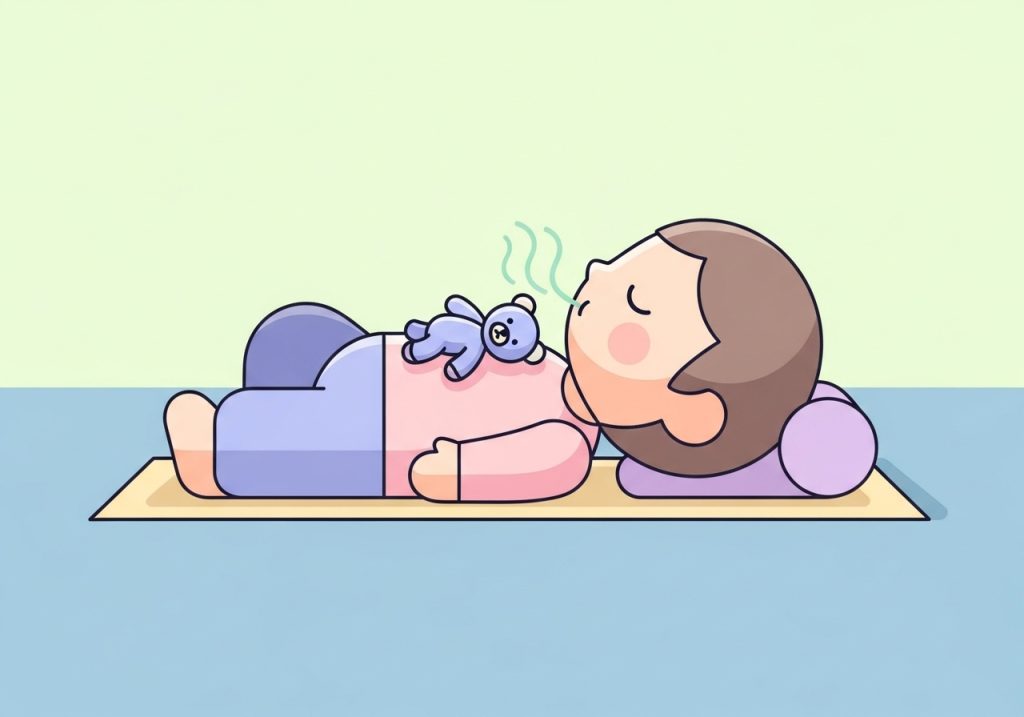
How to Guide the Activity:
- Ask students to find a comfortable spot on the floor and lie on their backs.
- Give each student a small breathing buddy to place on their belly. –
- Instruct them to breathe in slowly through their nose, feeling their belly expand like a balloon and lift their buddy up toward the ceiling.
- Then, ask them to breathe out slowly through their mouth, letting the “air” out of the balloon as their belly flattens and their buddy gently comes back down.
- Repeat this cycle for 5-10 breaths, encouraging a slow and steady rhythm.
Provide an ‘All About Me’ Drawing Prompt
The first day of school often involves introductions, which can be stressful for shy or anxious children. An “All About Me” drawing activity is a wonderful, low-pressure alternative to verbal icebreakers. It allows students to express themselves creatively without the immediate demand of speaking in front of a new group. It also provides a purposeful fine motor task to help them settle in and focus their attention.
This activity respects different communication styles and gives you valuable insight into each child’s interests, personality, and fine motor abilities. The act of drawing itself can be therapeutic, offering a non-verbal outlet for processing emotions. Furthermore, it allows students to practice using visual representation to communicate their ideas, a foundational skill for learning. You can provide a simple template or a blank piece of paper with a single prompt. The goal is to make it accessible and open-ended, so every student can feel successful.
Example Drawing Prompts:
- Draw a picture of your family.
- Draw your favorite food or your favorite animal.
- Create a picture of something you enjoyed doing this summer.
- Draw yourself as a superhero. What would your superpower be?
Afterward, you can invite (but not require) students to share their drawings with a partner or in a small group. This creates a gentle pathway toward social interaction, built on a shared, positive experience. Displaying the drawings in the classroom can also help foster a sense of belonging and community.
Incorporate Movement Brain Breaks
Sitting still for extended periods is challenging for most children, especially when they are filled with nervous energy. Structured movement breaks are essential for helping students release physical tension, reset their focus, and regulate their bodies. Rather than letting restless energy build into disruptive behavior, planned brain breaks channel it into productive and organizing activities. These short bursts of physical activity increase blood flow to the brain, which can improve attention and learning.
The key is to keep the movements structured and purposeful. Unstructured free-for-all time can be overstimulating for some students. Instead, lead the class in simple, guided exercises. Animal walks, for example, provide excellent proprioceptive input as students bear weight on their hands and feet. Simple yoga poses or cross-lateral movements (like touching the right hand to the left knee) help integrate the two hemispheres of the brain. Integrating these breaks into your first-day schedule signals to students that movement is a welcome and necessary part of the learning process.
Simple Brain Break Ideas:
- Animal Walks: Have students move across the room like a bear (on hands and feet), a crab (scuttling sideways), or a frog (jumping).
- Stretching Sequence: Lead a few simple stretches, such as reaching for the sky, touching their toes, or doing gentle torso twists.
- Simon Says: A classic game that gets students moving while also working on listening skills and body awareness.
- Mirror, Mirror: Have students pair up and mirror each other’s slow, controlled movements.
Facilitate a Cooperative Play-Doh Sculpture
Collaborative, hands-on activities can effectively ease social anxiety and build camaraderie. A cooperative Play-Doh sculpture provides a perfect medium for this. Working with Play-Doh offers a wealth of calming tactile sensory input. The resistance of the dough as it is squeezed, rolled, and pinched strengthens hand muscles and provides a satisfying release for tension. It’s an activity that naturally supports the development of foundational eye to hand coordination in a playful context.
By making the activity cooperative, you shift the focus from individual creation to teamwork. In small groups, give students a single large lump of one color of dough and a simple, open-ended prompt. For instance, “Work together to create a creature from outer space” or “Build a tiny garden.” This structure encourages communication, negotiation, and problem-solving in a low-stakes environment. The shared goal helps break down social barriers, allowing students to connect through action rather than just words. Many educators find success pairing such activities with a story, such as after reading the book First Day Jitters, as it provides a shared context for channeling emotions into creative expression.
Your role as the facilitator is to encourage positive interaction, perhaps by asking questions like, “What part is Sarah working on?” or “I wonder what will happen if you add this piece here?” This celebrates the process of working together over the final product, reinforcing that collaboration is a core value in your classroom or therapy space.
Addressing first-day jitters is about creating an atmosphere of safety, predictability, and connection. By integrating these sensory-smart and emotionally attuned activities, you can help every student navigate the transition with confidence. These strategies not only calm initial anxieties but also lay the groundwork for a positive, supportive, and engaging year of learning.
Ready to build a toolkit of engaging, low-prep resources for skill development? The Inspiring OT shop on Teachers Pay Teachers is filled with practical, evidence-informed activities created by a licensed occupational therapist. From fine motor practice to emotional regulation guides, you’ll find everything you need to support your learners. Explore the full collection of printable resources today and make planning easier and more effective.
Leave a Reply