
As therapists, educators, and parents, we often focus on teaching ‘hard’ skills like reading, writing, and arithmetic. These are measurable and essential. Just as important are the ‘soft’ skills, which are the personal attributes that influence how we work and interact with others. Looking at various examples of soft skills helps us understand they are the foundation of social connection, academic success, and future workplace readiness. This guide will explore what these skills are and how to support their development in children.
What Are Soft Skills?
Soft skills are interpersonal and character-based abilities. Unlike hard skills, which are often job-specific and technical (like knowing how to code or use a specific software), soft skills are transferable across all areas of life. They relate to a person’s emotional intelligence, communication style, and personal habits. For a child, these skills determine how they make friends, participate in group activities, manage frustration, and adapt to new classroom rules. Think of them as the social and emotional tools children use to build relationships and manage their daily lives. A child might have excellent math skills, but without the soft skill of persistence, they might give up on a difficult problem. Similarly, a student could be a great reader but struggle to share their ideas in a group without effective communication skills.
Why Soft Skills Are Essential for Development
Strong soft skills are directly linked to positive outcomes for learners. In a school setting, a child who can communicate needs clearly, collaborate on a project, and manage their time is better equipped for learning. These abilities reduce classroom friction and improve a student’s capacity to absorb academic material. When a student can ask for help, listen to instructions, and work with peers, they become an active participant in their own education. Socially, soft skills help children build meaningful friendships, resolve conflicts peacefully, and understand others’ perspectives. They are fundamental for emotional well-being and developing resilience, which is the ability to bounce back from setbacks. Children with well-developed soft skills are often more confident, empathetic, and better prepared for the increasing social and academic demands of school and life.
Key Examples of Soft Skills for Children and Students
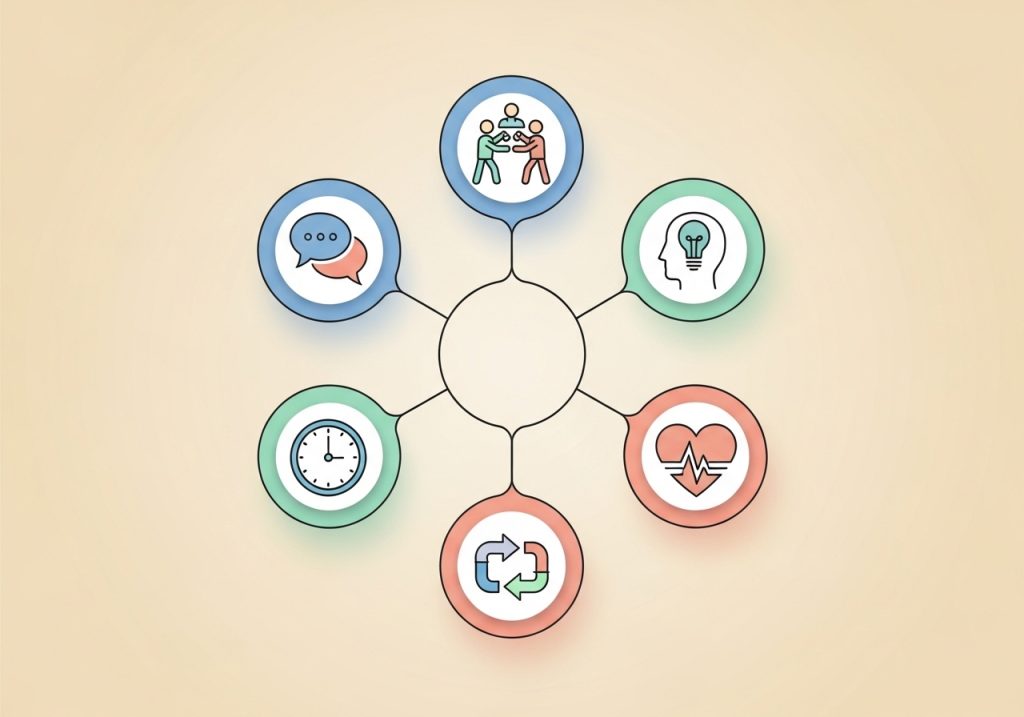
Understanding specific examples helps clarify what we are aiming to teach. While the list is long, some of the most critical soft skills for developmental stages fall into a few key categories. Breaking them down makes it easier to identify areas for growth and plan targeted support.
1. Communication
This is more than just talking. It involves a wide range of abilities. Active listening means hearing and understanding what another person is saying, not just waiting for a turn to speak. Articulating thoughts clearly is the ability to put ideas into words that others can comprehend. Communication also includes understanding nonverbal cues like body language, tone of voice, and facial expressions. For a student, this means being able to explain their answer to a teacher, listen to a friend’s point of view without interrupting, or notice when a classmate seems upset based on their posture.
2. Collaboration and Teamwork
Working effectively in a group is a skill learned over time. It requires sharing responsibilities, respecting different opinions, and contributing to a common goal. This can be seen when children build a block tower together, play a team sport, or complete a group science project. Key components of collaboration include negotiation, compromise, and offering support to teammates. A child demonstrates this skill when they can agree on the rules of a game or help a classmate who is struggling with their part of an assignment.
3. Problem-Solving
Problem-solving is the ability to identify an issue, think through possible solutions, and choose a course of action. It is a critical thinking skill that involves analysis, creativity, and decision-making. It could be as simple as a young child figuring out how to open a tricky snack container or as complex as an older student resolving a disagreement with a peer on the playground. This skill also involves learning from mistakes and trying a different approach when the first one does not work.
4. Adaptability and Flexibility
Life is full of unexpected changes. Adaptability is the capacity to adjust to new situations, such as a substitute teacher leading the class, a change in the daily schedule, or a planned outdoor activity getting rained out. Flexible thinkers can manage transitions with less distress and are more open to new experiences. This skill is about mental elasticity, being able to shift perspective and not get stuck when things do not go exactly as planned.
5. Emotional Regulation
This skill involves recognizing, understanding, and managing one’s own feelings. It is the ability to stay calm when frustrated, express anger appropriately, and cope with disappointment. A child developing this skill might take a deep breath when a puzzle piece does not fit instead of throwing it. Emotional regulation also includes empathy, which is the ability to recognize and understand the feelings of others. This is a core component of building healthy relationships.
6. Time Management and Organization
These skills help children plan and execute tasks efficiently. They are closely tied to a child’s developing executive functioning training. For younger learners, this could mean following a sequence of steps to get ready for school in the morning. For older students, it involves prioritizing homework assignments, keeping track of materials, and managing deadlines for long-term projects. Good organizational skills reduce stress and help students feel more in control of their responsibilities.
How to Teach and Reinforce Soft Skills
Soft skills are not taught through lectures. They are developed through practice, modeling, and guided experience. As professionals and caregivers, we can create environments that foster their growth. The key is to be intentional and consistent in our approach, embedding skill-building opportunities into everyday life.
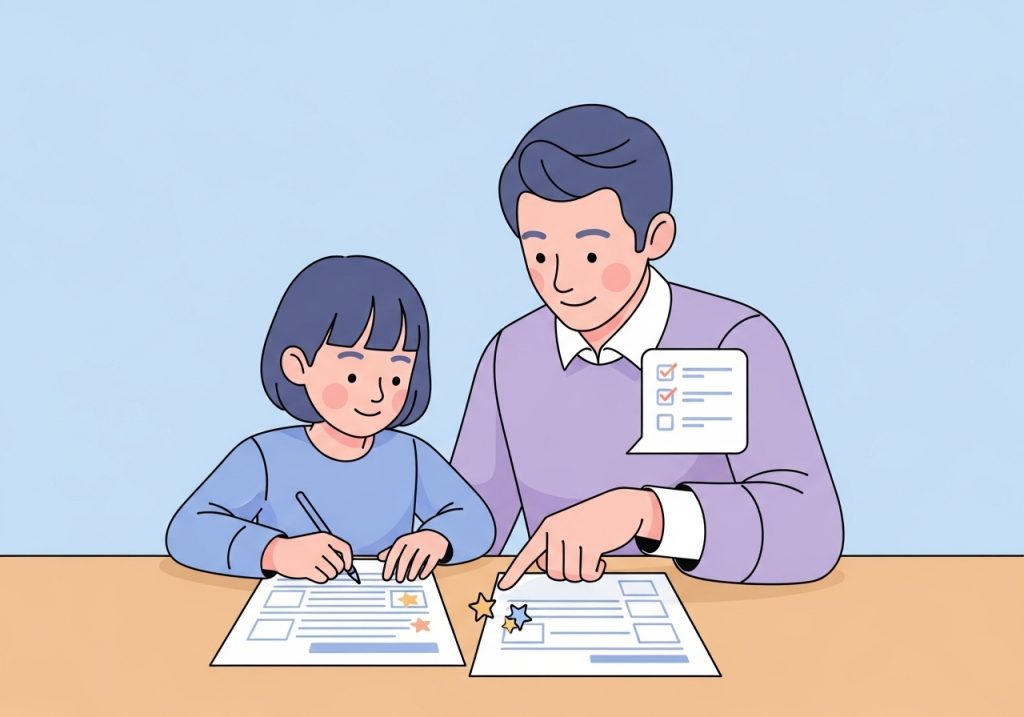
- Model the Behavior: Children learn by watching adults. Demonstrate good communication, patience, and problem-solving in your own interactions. Talk through your thought process when you face a challenge. For instance, you could say, “My first idea didn’t work, so I’m going to try a different way.”
- Use Structured Activities: Games, role-playing scenarios, and guided worksheets can provide a safe space to practice skills like taking turns, listening, and resolving conflicts. These activities make learning explicit and enjoyable. Using the right instructional strategies for the child’s needs is important for success.
- Provide Specific Feedback: Instead of general praise like “good job,” give concrete feedback that highlights the skill used. For example, say, “I liked how you listened to your friend’s idea before sharing your own. That shows great teamwork.” This approach, often part of using positive reinforcement, helps a child understand exactly what they did well.
- Create Opportunities for Collaboration: Assign small group projects or chores that require teamwork. Guide them through the process of dividing tasks, communicating progress, and combining their efforts to get the job done. Board games are another excellent tool for practicing collaboration and turn-taking.
- Talk About Emotions: Help children build an emotional vocabulary by naming feelings in yourselves and others. Use books, feeling charts, or real-life situations to discuss what different emotions feel like and healthy ways to express them. You might say, “It looks like that character is feeling frustrated. What could he do?”
Developing these skills requires consistent effort and patience from both the learner and the adults supporting them. By focusing on these core abilities, we provide children with the tools they need to succeed not just in school, but in all aspects of their lives. Integrating practical resources can simplify the process and make skill-building a natural part of daily routines at home, in the classroom, or during therapy sessions.
Ready to support skill development with engaging, low-prep resources? The Inspiring OT offers a wide range of printable activities, worksheets, and guides created by an occupational therapist. Explore the shop to find practical tools designed to help learners build fine motor, sensory processing, and life skills in a fun and accessible way.
Leave a Reply