
Executive functions are the mental processes that allow us to plan, focus attention, remember instructions, and manage multiple tasks successfully. For children, these skills are fundamental for learning and development in the classroom, on the playground, and at home. Effective executive functioning training isn’t about rigid drills, but about integrating practical, consistent strategies into daily life. This guide offers insight into what executive functions are, why they matter, and how therapists, educators, and parents can effectively support their growth in learners.
What Are Executive Functions?
Executive function is not a single skill but a set of three interconnected cognitive processes that work together as the management system of the brain. They are the skills that help us get things done. Understanding each component helps in identifying where a child may need support and what kind of strategies will be most helpful.
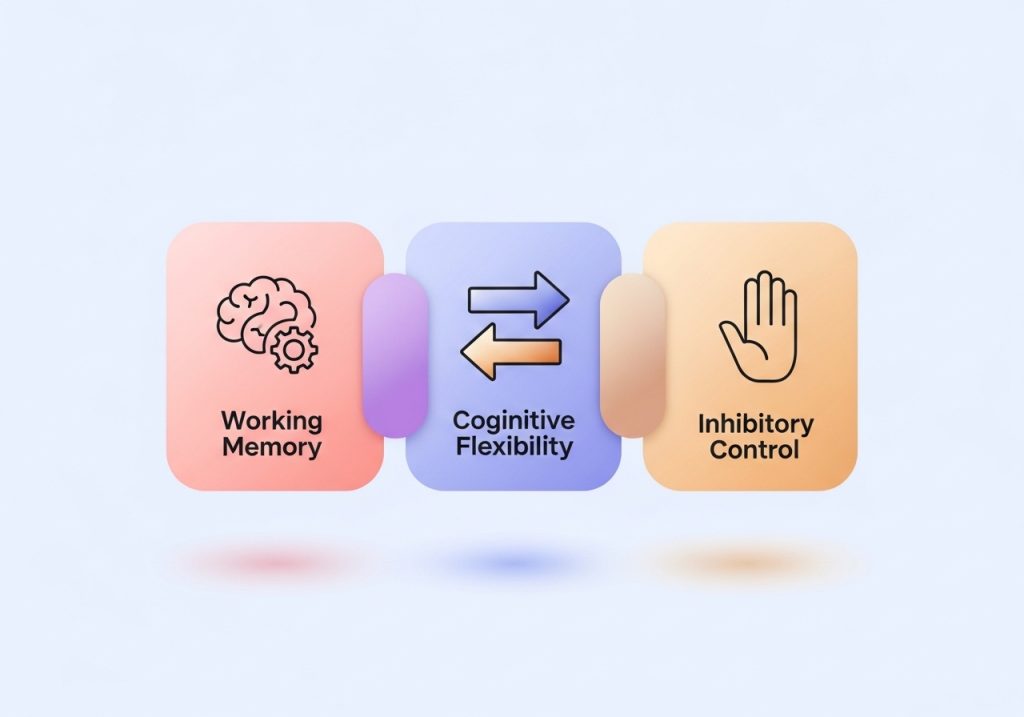
- Working Memory: This is the ability to hold and use information in your mind for a short period. It’s like a mental sticky note. For a child, this looks like remembering the steps to solve a math problem while doing the calculations, or following multi-step directions like “please put your coat on, get your backpack, and line up at the door.”
- Cognitive Flexibility (or Flexible Thinking): This skill allows a person to adapt to new situations, see things from different perspectives, and switch between tasks. A child uses cognitive flexibility when they transition from playtime to cleanup time without a significant struggle, accept a change in plans, or solve a problem in a new way when their first attempt doesn’t work.
- Inhibitory Control (or Self-Control): This is the ability to manage impulses, control emotions, and stay focused despite distractions. It is what helps a child wait their turn to speak in class, resist the urge to grab a toy from a classmate, and finish their homework before watching television. It’s the brain’s braking system.
Why These Skills Matter for Development
Strong executive function skills are a better predictor of academic success than IQ. When children can manage their time, organize their materials, and regulate their behavior, they are better equipped to learn in a classroom setting. These skills help them initiate assignments, stay on task even when it’s boring, manage long-term projects, and work collaboratively with peers. Without them, a student might understand the material but struggle to complete and turn in the work.
Beyond academics, these abilities are crucial for social and emotional development. Inhibitory control helps children build friendships by learning to share, take turns, and think before they speak. Cognitive flexibility helps them solve disagreements with friends and understand another person’s point of view. Together, these skills are the foundation for independence in everyday routines, from getting ready in the morning without constant reminders to managing homework and household chores.
Key Strategies for Executive Functioning Training
Improving executive functions is not about a single program but about creating supportive environments and teaching specific techniques. The goal is to provide external structure that children can eventually internalize. This process relies on selecting the right instructional strategies for each child’s needs.
Break Down Complex Tasks
Large projects or multi-step routines can be overwhelming for a developing brain, leading to procrastination or shutdown. Breaking them into smaller, manageable parts makes them more approachable. For a book report, the steps might be: 1. Choose a book. 2. Read two chapters. 3. Write three sentences about what happened. This process of teaching a new skill step-by-step, also known as shaping behavior through successive approximations, reduces cognitive load and helps children build momentum and initiate tasks.
Use Visual Aids and Checklists
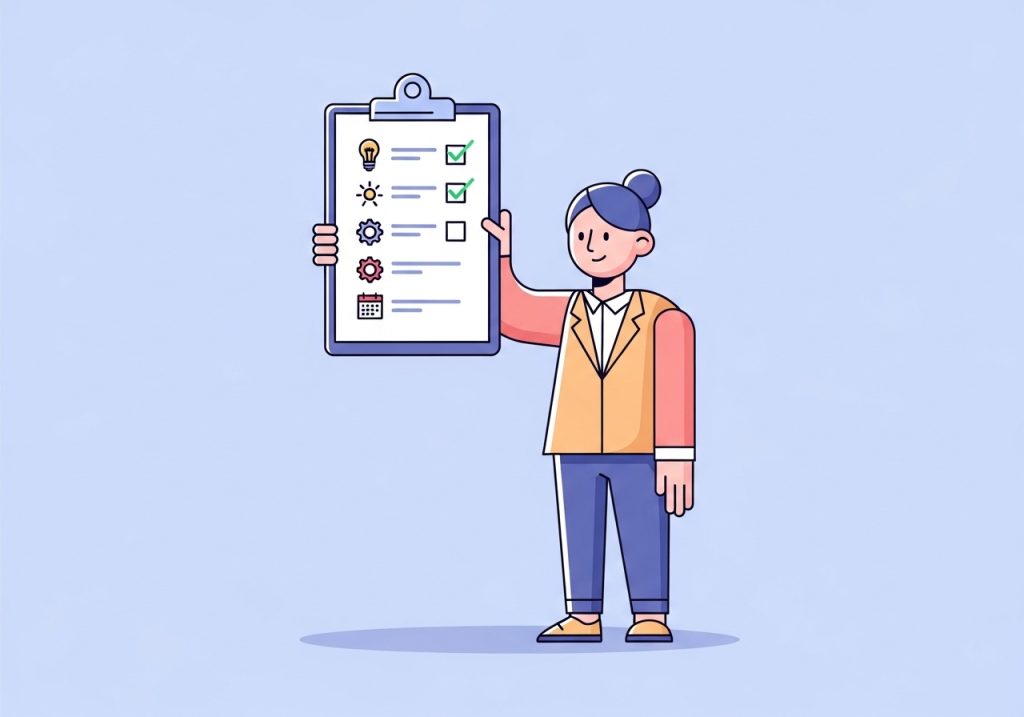
Visual supports are powerful tools for offloading working memory. Instead of a child having to hold a sequence of steps in their mind, they can refer to a visual guide. A morning routine chart with pictures or simple words can guide a child through the steps of getting ready for school. A checklist for packing a backpack ensures nothing is forgotten. These external aids reduce mental effort, decrease verbal prompting from adults, and promote independence.
Incorporate Games and Play-Based Activities
Play is a natural and engaging way for children to build skills. Games that require focus, memory, and impulse control are excellent for strengthening executive functions without feeling like work.
- For Inhibitory Control: Classic games like Simon Says, Red Light Green Light, and Freeze Dance are perfect. They require children to listen carefully and control their impulse to move.
- For Working Memory: Card matching games, the storytelling game I Went to the Market, and simply retelling a story you read together all require holding and manipulating information mentally.
- For Cognitive Flexibility: Building with unstructured materials like blocks or LEGOs where plans can change encourages flexible thinking. Trying a new way to play a familiar board game or engaging in pretend play also builds this skill.
Model and Practice Planning
Thinking out loud helps children see how planning works. You can narrate your process when preparing dinner, packing for a trip, or organizing a room. Say things like, “Okay, I need to make tacos for dinner. First, I need to get out all the ingredients. Next, I will cook the meat. While that’s cooking, I can chop the vegetables.” Involving children in simple planning, such as what to pack for a day at the park or how to structure their after-school time, gives them direct practice in an authentic context.
Putting It All Together in Practice
For therapists and educators, these strategies can be woven into session plans and classroom management. Use visual schedules for the day’s activities, break down assignments on the board, and use timers to help with transitions and task duration. It is important to celebrate the process, not just the outcome. Using positive reinforcement to praise the effort a child puts into staying focused or trying a new strategy can be highly motivating, even if the final result is not perfect.
Parents and caregivers can implement these same ideas at home. Establish predictable routines for mornings, homework, and bedtime to reduce cognitive load. Turn cleanup into a game by setting a timer and working together to beat the clock. When giving instructions, make eye contact and provide them one or two steps at a time to avoid overwhelming your child’s working memory. Consistency across environments provides the repetition children need to build stronger neural pathways for these critical skills.
Supporting executive function development is a marathon, not a sprint. Every child develops at their own pace. Consistency, patience, and the right environmental supports are essential for helping them build the foundation for lifelong success. By providing structure and breaking down skills, you equip children with the tools they need to manage their lives effectively and confidently.
Looking for practical, ready-to-use resources to support skill development? The Inspiring OT shop offers a wide variety of printable activities, checklists, and guides designed by an experienced occupational therapist. Simplify your planning and find engaging, low-prep materials to help your learners succeed. Explore the shop today to discover tools that make skill-building easier and more effective.
Leave a Reply