
The first day of school sets the tone for the entire year. For occupational therapists, teachers, and parents, it represents a critical opportunity to build rapport and gather baseline information about a learner’s skills. Thoughtfully planned first day of class activities go beyond simple icebreakers. They can provide valuable insights into fine motor, visual motor, social, and self-regulation abilities in a natural, low-pressure environment. The right activities help create a welcoming atmosphere while serving as an informal assessment tool, allowing you to understand each student’s starting point and plan effective support from day one.
Start with a Collaborative Drawing Task
A collaborative drawing task is a simple yet powerful way to observe multiple skills simultaneously. This activity encourages teamwork, communication, and creative expression. It requires minimal preparation and can be adapted for a wide range of age groups and abilities. The goal is to have small groups of students work together on a single large piece of paper to create a shared piece of art based on a simple, unifying theme.
To set it up, you will need large sheets of paper (butcher paper or poster board works well) and a variety of drawing tools like crayons, markers, or colored pencils. Divide students into small groups of three or four and provide each group with paper and supplies. Offer a broad prompt such as “Our Amazing Classroom,” “Our School Community,” or “A Fantastical Creature.” The open-ended nature of these prompts allows for creativity while giving enough structure to get started.
As students work, you can observe several key areas:
- Fine Motor Skills: Pay attention to each student’s pencil grasp, the amount of pressure they apply, and their control over the drawing tools. Notice how they form lines, shapes, and letters if they choose to write.
- Social and Communication Skills: Watch how students interact within their group. Do they negotiate roles, share materials, and discuss ideas? This provides a glimpse into their ability to collaborate, problem-solve, and communicate effectively, which are crucial soft skills.
- Executive Functioning: Observe how the group plans and organizes their drawing on the page. Do they divide the space? Do they work together on one part or independently on different sections? This can provide insight into their planning and organizational abilities.
This activity helps build a sense of community from the very beginning. When the drawings are complete, displaying them in the classroom gives students a shared sense of ownership and accomplishment.
Use ‘All About Me’ Pages for Informal Assessment
“All About Me” worksheets are a classic for a reason. They are an excellent, non-intrusive tool for gathering specific information about a student’s handwriting, drawing skills, and visual motor integration. At the same time, they help you learn personal details about each child, such as their interests, hobbies, and family, which is essential for building a strong student-teacher relationship.
You can create your own page or find pre-made templates. A good “All About Me” page typically includes sections for:
- Name Writing: A space for the student to write their name provides a quick sample of their letter formation, sizing, and spacing.
- Self-Portrait: A designated box for a drawing of themselves reveals their body awareness, attention to detail, and visual motor skills.
- Writing Prompts: Short prompts like “My favorite color is…,” “I am good at…,” or “When I grow up, I want to be…” require students to write words or short sentences, offering a sample of their handwriting and sentence construction.
- Drawing Prompts: Spaces to draw their favorite food, animal, or family can provide additional insight into their drawing abilities and personal interests.
As a therapist or educator, this single sheet of paper becomes a valuable piece of data. You can quickly assess foundational skills needed for academic tasks. For example, observing how a student forms letters can tell you if they know the correct motor patterns or if they use inefficient strategies. How they organize information on the page can hint at their spatial awareness. The information gathered can also be a starting point for writing effective IEP goals by highlighting specific areas that may need support.
Set Up Simple Fine Motor Station Rotations
A station rotation model is an engaging way to see a variety of skills in action while keeping students active and interested. By setting up a few simple fine motor stations, you can observe how students approach different hands-on tasks. This format allows you to interact with small groups or individuals, making observations more focused and personal. The key is to use activities that require no prior instruction so students can get started immediately.
Create three to four stations around the room, each with a different activity. Some effective and low-prep station ideas include:
- Therapy Putty: Provide putty with small hidden objects like beads or coins for students to find and pull out. This task is great for building hand strength and tactile discrimination.
- Threading Activities: Set out pipe cleaners and pony beads or shoelaces and lacing cards. Threading works on pincer grasp, bilateral coordination (using both hands together), and visual motor precision.
- Building Blocks: Use small connecting blocks like LEGOs or interlocking cubes. This allows you to see problem-solving skills, spatial reasoning, and fine motor dexterity.
- Tongs and Small Objects: Place a bowl of pom-poms, cotton balls, or mini erasers with a pair of kid-friendly tongs. Have students transfer the objects from one bowl to another. This targets grasp development and graded control.
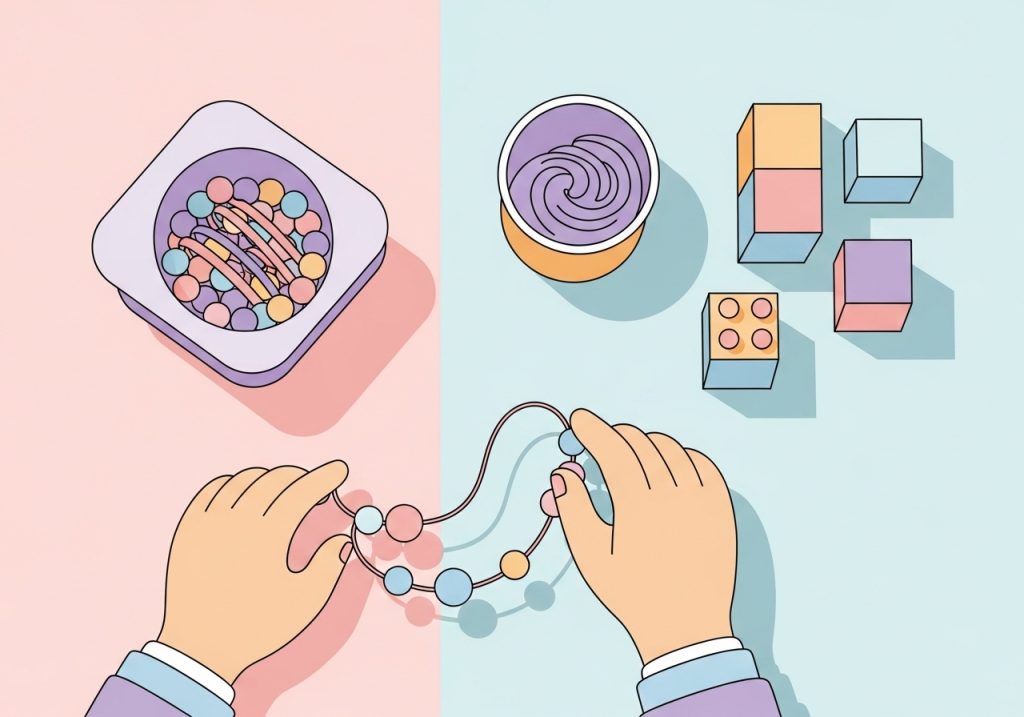
Set a timer for five to seven minutes per station. When the timer goes off, have the groups rotate. As they work, circulate the room and observe how students approach each task. Note their frustration tolerance, attention span, and ability to manipulate the materials. This dynamic approach provides a wealth of information in a short amount of time and feels like play to the students.
Introduce a Regulation Check-In Routine
The first day is the perfect time to introduce routines that support emotional and sensory regulation. A simple check-in activity can help students develop self-awareness and provide you with information about their internal state. Establishing this practice from the start creates a classroom culture where all feelings are acknowledged and students are given tools to manage their energy levels. This practice is foundational to effective executive functioning training, as self-regulation is a core skill.
You can create a visual chart with faces representing different emotions or energy levels (e.g., tired, calm and focused, silly, frustrated). Some frameworks use colors or numbers to represent different states. As students enter the classroom, guide them to the chart and have them place a clothespin, magnet, or sticky note next to the image that best describes how they are feeling.
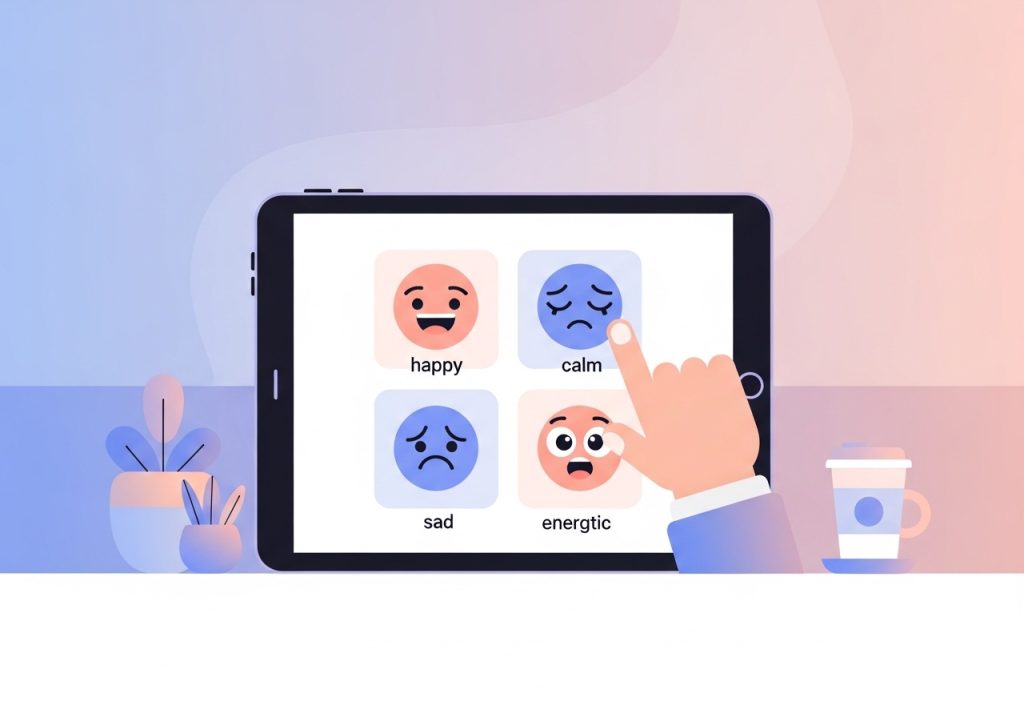
It is important to model this yourself. For example, you might say, “This morning, I am feeling calm and ready to learn, so I am putting my marker on the green zone.” This normalizes the process and shows that everyone has fluctuating feelings and energy levels. This routine is not about judging a student’s state but about building awareness. Over time, you can link these check-ins to strategies, such as suggesting a calming corner for a student who identifies as frustrated or a movement break for someone feeling silly.
This simple five-minute activity provides a daily snapshot of your students’ emotional well-being and helps them build an essential vocabulary for expressing their needs. It fosters a supportive environment where students learn that it is okay to feel a range of emotions and that there are healthy ways to manage them.
Organize a Classroom Scavenger Hunt
A classroom scavenger hunt is a fun, movement-based activity that helps students become familiar with their new environment while allowing you to observe a variety of skills. It encourages them to explore key areas of the room, such as the library corner, supply station, and their personal cubby, in a purposeful way. This is a great way to reduce first-day anxiety by empowering students with knowledge of their surroundings.
Create a simple checklist with pictures or words (or both) corresponding to important items or locations in the classroom. For younger learners, a visual checklist with images of a bookshelf, a sink, and a pencil sharpener is effective. For older students, you can use written clues that require them to read and problem-solve. Examples could include:
- Find the place where we turn in our work.
- Locate the bin with extra pencils.
- Find a book with an animal on the cover.
- Where do you hang your backpack?
Students can work individually or in pairs to find each item on the list and check it off. As they move around the room, you can observe their:
- Visual Scanning: How efficiently do they search the room for objects?
- Direction Following: Can they understand and execute the instructions on the checklist?
- Motor Planning and Navigation: How do they move their bodies through the classroom space, avoiding obstacles and peers?
- Problem-Solving: If they get stuck on a clue, what strategies do they use to figure it out?
This active approach is one of many practical instructional strategies that engage learners by turning a necessary orientation task into an exciting game. It provides rich observational data without the pressure of a formal test.
The first day of class offers a unique window of opportunity. By choosing activities that are both engaging and informative, you can start the year with a deeper understanding of each learner’s strengths and areas for growth. These low-prep ideas help you build positive relationships and gather valuable baseline data in a way that feels like fun and exploration for students. Investing this time upfront allows you to tailor your instruction and support more effectively, paving the way for a successful year of skill development.
Ready to make planning even easier? The Inspiring OT offers a wide range of practical, low-prep resources designed by an experienced occupational therapist to support skill building in the classroom, clinic, or at home. From fine motor activities to sensory-motor toolkits, each printable is crafted to be engaging and effective. Visit The Inspiring OT shop on Teachers Pay Teachers to find evidence-informed tools that help you support every learner’s success.
Leave a Reply