
Sensory processing is the way our nervous system receives messages from the senses and turns them into appropriate motor and behavioral responses. For children, this process is fundamental to learning, moving, and interacting with the world. Providing well-structured sensory activities helps children develop their ability to process information, which can improve their focus, regulation, and motor skills. Whether you are a therapist, teacher, or parent, incorporating these activities into daily routines can make a significant difference in a child’s development. This guide offers seven practical ideas you can use to support learners in various settings.
Create a Themed Tactile Bin
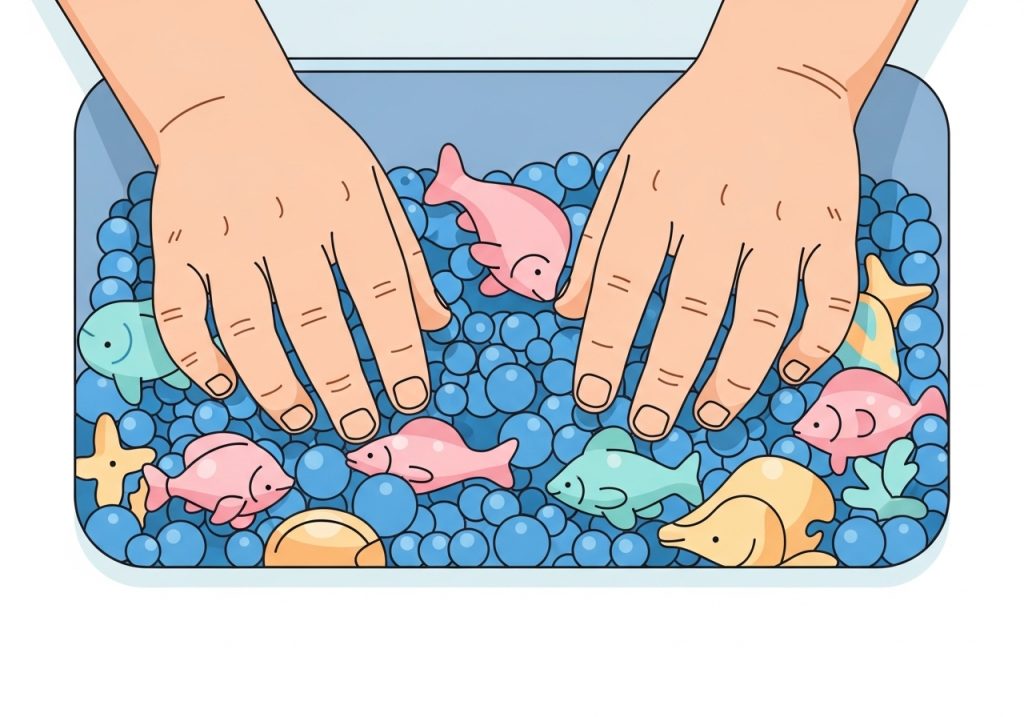
Tactile bins are containers filled with materials that stimulate the sense of touch. They are an excellent tool for sensory exploration, fine motor skill development, and imaginative play. The primary benefit of a tactile bin is its ability to provide controlled, calming sensory input. For children who are sensitive to certain textures, it offers a safe way to explore. For those who seek out touch, it satisfies their sensory needs in a structured manner.
To create a tactile bin, start with a shallow plastic container. The filler is the main component. You can use a wide variety of materials, such as:
- Dry rice or pasta
- Dried beans or lentils
- Sand or kinetic sand
- Water beads (with supervision)
- Shredded paper
- Cotton balls
- Birdseed
Once you have a filler, add small objects and tools to encourage interaction. Scoops, tongs, funnels, and small cups promote fine motor development and hand-eye coordination. Adding themed toys can also encourage pretend play and language skills. For example, an ocean-themed bin could have blue-dyed rice, seashells, and small plastic sea animals. A construction theme might include dried black beans, small trucks, and wooden blocks. Always supervise young children during tactile play to ensure safety, especially with small items.
Integrate Proprioceptive Sensory Activities
Proprioception is often called the “sixth sense.” It is the sense of body awareness, telling us where our body parts are in space without us having to look. The receptors for this sense are in our muscles and joints. Activities that involve heavy work, like pushing, pulling, and carrying, provide input to these receptors. This input has a powerful organizing and calming effect on the nervous system, helping many children regulate their energy levels and focus.
The best part about proprioceptive activities is that they can be easily integrated into everyday routines. You do not need special equipment. Consider these examples for different environments:
- At Home: Have children help with chores like carrying groceries, pushing a laundry basket, pulling a wagon filled with toys, or kneading dough.
- At School: Ask students to help stack chairs, carry books to the library, wash classroom tables, or push a cart with supplies.
- In a Clinic: Use activities like wall pushes, animal walks (like bear walks or crab walks), or rolling a large therapy ball.
These activities are beneficial for nearly all children, but they are particularly helpful for those who seem to have boundless energy or who have difficulty sitting still. Providing short bursts of heavy work before a task that requires concentration can improve attention and performance.
Engage in Rhythmic Vestibular Movement
The vestibular system, located in the inner ear, is responsible for our sense of balance, movement, and spatial orientation. It tells us if we are moving or still, and in which direction. Rhythmic, predictable vestibular activities can be very calming and organizing for the nervous system. In contrast, fast or unpredictable movements tend to be alerting.
Incorporating gentle movement into a child’s day can help with regulation and body awareness. These activities are a core component of many effective sensory diet examples for school and home. Simple and effective options include:
- Swinging: Linear swinging (back and forth) on a playground swing is typically very calming.
- Rocking: Gently rocking in a rocking chair or on a therapy ball can soothe an overstimulated child.
- Slow Rolling: Rolling down a small, grassy hill or being rolled up in a blanket provides consistent vestibular input.
It is important to observe a child’s reactions to vestibular input. Some children are very sensitive and can become dizzy or overwhelmed easily. Always start slowly, follow the child’s lead, and never force movement. Activities should be child-driven and stopped immediately if they show any signs of distress.
Play Auditory Discrimination Games
The auditory system processes sounds from our environment. Some children have difficulty filtering out background noise, while others may be sensitive to loud or unexpected sounds. Auditory discrimination activities help children learn to attend to relevant sounds and ignore distractions. This skill is critical for following directions in a busy classroom and for developing phonological awareness.
Here are a few simple games to practice auditory skills:
- Sound Identification: Have the child close their eyes while you make a common sound (clapping hands, ringing a bell, crumpling paper). Ask them to identify the sound. You can also do this outdoors by listening for birds, cars, or wind.
- Guess the Shaker: Fill several identical, opaque containers with different materials (rice, coins, paper clips). Shake one container and have the child find its match by shaking the others.
- Listening Walks: Take a walk and have the child identify as many different sounds as they can hear. This encourages active listening.
These games can be adapted for different age groups and skill levels. They build focus and help children make sense of the auditory world around them.
Use Visual Tracking Tools
The visual system is responsible for interpreting what we see. One important visual motor skill is tracking, which is the ability to control eye movements to follow a line or moving object. This skill is essential for reading, writing, and even playing sports. Difficulties with visual tracking can cause children to lose their place when reading, skip words, or struggle with handwriting.
You can help strengthen visual tracking skills with simple, playful activities:
- Flashlight Games: In a dimly lit room, have the child follow a flashlight beam with their eyes as you move it across the wall or ceiling.
- Bubble Popping: Blowing bubbles and having a child track and pop them is a fun way to practice eye movements.
- Marble Run: Watching a marble travel through a marble run encourages sustained visual attention and tracking.
- Lazy 8s: Have the child trace a large figure-eight pattern (an infinity symbol) in the air with their finger or a ribbon wand, following it with their eyes.
These tasks encourage the eyes to work together smoothly and efficiently. Consistent practice can lead to improvements in many academic areas.
Try Calming Deep Pressure Activities
Deep pressure is a form of tactile input that involves firm but gentle squeezing, hugging, or holding. This type of input has a calming and organizing effect on the nervous system by activating the parasympathetic nervous system, which helps the body relax. For children who feel anxious, overstimulated, or disorganized, deep pressure can be a powerful regulation tool.
Many deep pressure activities are easy to provide and require no special equipment. Some effective methods include:
- Firm Hugs: A simple, firm hug can be very reassuring and calming.
- Burrito Roll: Roll the child up snugly in a blanket or yoga mat. This provides pressure all over the body.
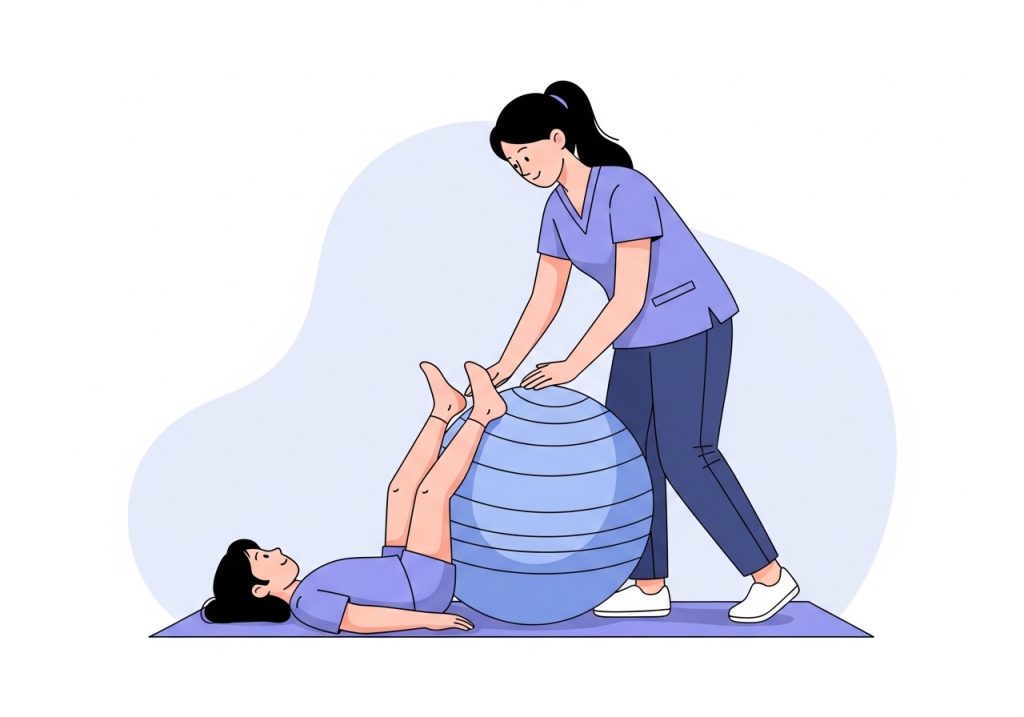
- Therapy Ball Squishes: Have the child lie on a mat and gently roll a large therapy ball over their legs, back, and arms, applying firm pressure.
- Weighted Items: Using a weighted lap pad during seated activities or a weighted blanket during quiet time can provide sustained calming input.
These techniques are often included as part of a comprehensive support strategy. For instance, many practical behavior intervention plans incorporate sensory tools like deep pressure to help a child manage their sensory needs and reduce challenging behaviors. Always ensure the pressure is firm but comfortable, and check in with the child to make sure they are enjoying the sensation.
Design Olfactory Scent Jars
The sense of smell, or the olfactory system, is strongly linked to memory and emotion. Smells can be alerting (like citrus) or calming (like lavender). Exploring scents can be a fun sensory activity that helps children develop their ability to identify and describe different smells.
Creating scent jars is a simple and engaging activity. You will need several small containers with lids, such as film canisters or spice jars. Poke small holes in the lids. Place a cotton ball inside each container with a few drops of a familiar, safe scent. Good options include:
- Vanilla extract
- Peppermint extract
- Lemon juice
- Cinnamon
- Lavender essential oil
You can turn this into a matching game by creating two jars for each scent. Have the child smell a jar and try to find its match. You can also have them try to identify the smell and describe what it reminds them of. This is a great way to build vocabulary and sensory discrimination skills.
Supporting a child’s sensory development does not have to be complicated. The most effective sensory activities are often the simplest ones, integrated thoughtfully into a child’s day. By providing a variety of experiences that engage the different senses, you help build a strong foundation for regulation, motor coordination, and learning. Remember to observe each child’s individual responses and tailor activities to meet their unique needs, creating a positive and empowering environment for growth.
Ready to put these ideas into practice? Finding the right tools can make all the difference. The Inspiring OT offers a collection of practical, evidence-informed printable activities and guides designed by an experienced occupational therapist. Explore our engaging, low-prep resources to simplify your planning and support successful skill growth in your learners. Visit The Inspiring OT shop today to find downloads that fit your therapy, classroom, or home needs.
Leave a Reply