
Creating a supportive environment for every learner starts with understanding the function behind their behavior. When a child struggles to meet classroom or home expectations, a Behavior Intervention Plan (BIP) can provide a structured, positive framework for growth. This plan is not about punishment; it is a proactive tool designed to teach new skills and make positive behaviors more effective than challenging ones. By exploring different behavior intervention plan examples, therapists, teachers, and parents can see how these documents translate into real-world strategies. A well-crafted BIP identifies specific behaviors, analyzes why they occur, and outlines a clear path for teaching replacement skills, similar to how you might structure a lesson plan to target a specific academic skill. This guide offers five practical examples you can adapt to support the diverse needs of your students.
Plan for Task Avoidance and Work Refusal
Many learners exhibit task avoidance when they feel overwhelmed, find the work too difficult, or lack the executive functioning skills to get started. This behavior can look like shutting down, distracting others, or outright refusal. A BIP for work refusal focuses on preventing the overwhelm before it starts and building the student’s confidence and independence.
When to Use This Plan
This approach is effective for students who consistently struggle to begin or complete academic tasks. You might see them lay their head on the desk, wander around the room, or argue when presented with an assignment. The core issue is often anxiety, a skill deficit, or a history of academic failure that has diminished their self-esteem.
Key Components of the Plan
- Antecedent Strategies (Proactive): These are modifications made to the environment or task before the behavior occurs. For task avoidance, this is the most critical part of the plan.
- Task Chunking: Break large assignments into smaller, manageable steps. Present only one step at a time to reduce visual clutter and cognitive load. For example, instead of a full worksheet, provide just the first two problems.
- Structured Choice: Offer limited, meaningful choices to increase a sense of autonomy. This could be the order of tasks (“Do you want to do math or reading first?”), the tools used (“Would you like a pencil or a blue pen?”), or the location (“You can work at your desk or the quiet table.”).
- Visual Supports: Use a “First-Then” board (First work, Then break) or a visual timer to make expectations clear and concrete. This helps the student understand how long they need to work and what reward follows.
- Teaching Replacement Behaviors: The goal is to replace avoidance with functional communication.
- Requesting a Break: Teach the student a specific phrase or signal to request a short break. This gives them a positive way to escape the task without resorting to disruptive behavior.
- Asking for Help: Model and practice how to ask for help. Some students avoid tasks because they don’t know how to start and are afraid to admit it. Provide sentence starters like, “Can you help me with the first one?”
- Consequence Strategies (Reactive): This part of the plan outlines how adults will respond to both the challenging behavior and the desired behavior.
- Positive Reinforcement: Provide immediate, specific praise for any effort, not just completion. Statements like, “I love how you got your name on the paper right away!” can be very powerful. Connect completion of small chunks of work to a short, preferred activity.
- Planned Ignoring of Minor Refusal: For low-level avoidance (like sighing or brief procrastination), redirect the student back to the task with minimal attention. Over-prompting can sometimes reinforce the behavior.
Implementation Tips
Start with a high-interest, low-demand task to build behavioral momentum. Ensure the academic work is at the student’s instructional level; if the work is too hard, no BIP will be effective. Collect data on how often avoidance occurs to see if your strategies are working and adjust the plan as needed.
Strategy for Sensory-Related Behaviors
Some challenging behaviors are the direct result of a student’s sensory processing needs. A child might be over-responsive to classroom noise and hide under their desk, or they may be under-responsive and seek constant movement by crashing into peers or furniture. A sensory-focused BIP aims to regulate the child’s nervous system, allowing them to feel calm, organized, and ready to learn.
When to Use This Plan
Consider this plan for students who display behaviors like excessive fidgeting, difficulty staying seated, covering their ears, avoiding messy play, or being unusually rough with objects and people. These actions are often a student’s attempt to self-regulate a sensory system that is either overwhelmed or not getting enough input.
Key Components of the Plan
- Antecedent Strategies (Proactive): The focus is on providing appropriate sensory input throughout the day to prevent dysregulation.
- Sensory Diet: Work with an occupational therapist to create a “sensory diet,” which is a schedule of specific activities designed to meet the student’s unique needs. This might include jumping on a trampoline before school, pushing a heavy cart, or listening to calming music through headphones.
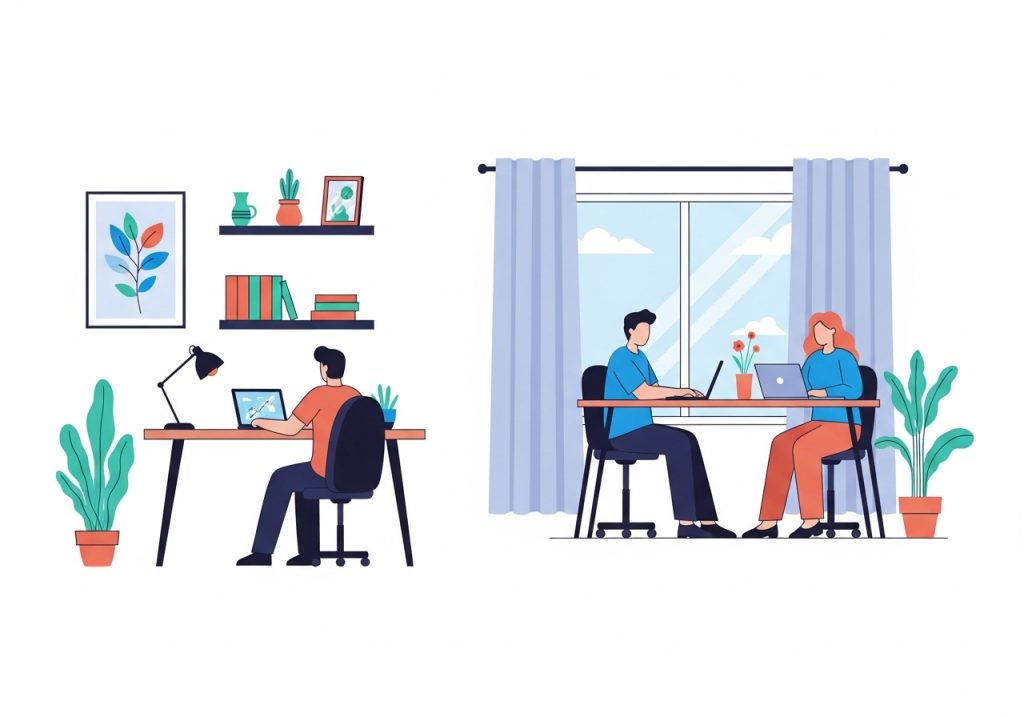
- Environmental Modifications: Adapt the classroom to reduce overwhelming stimuli. This could involve using preferential seating away from noisy areas, dimming fluorescent lights with covers, or providing a quiet, designated “calm-down corner” with soft pillows and sensory tools.
- Access to Tools: Allow the appropriate use of sensory tools like fidgets, weighted lap pads, or chewable jewelry to help with focus and organization during seated tasks.
- Teaching Replacement Behaviors: Teach the student to recognize and communicate their sensory needs.
- Self-Advocacy: Help the student identify when they are feeling overwhelmed or under-stimulated. Use a visual scale (like a “body engine” meter) to help them rate their arousal level and teach them to request a specific tool or break. For example, “My engine is running too fast. I need to go to the calm corner.”
- Consequence Strategies (Reactive): The response should focus on co-regulation and support rather than punishment.
- Redirect to Sensory Strategy: When the student begins to show signs of dysregulation, calmly prompt them to use one of their agreed-upon sensory strategies. For example, “It looks like your body needs to move. Let’s do some wall pushes.”
- Reinforce Appropriate Requests: When the student uses their words or a visual cue to request a sensory tool or break, honor the request immediately to reinforce that communication is more effective than the challenging behavior.
Implementation Tips
Collaboration with an occupational therapist is essential for creating a safe and effective sensory plan. It is important to remember that sensory tools are not toys; they should be introduced with clear expectations for their use. Observe the student carefully to see which strategies are calming and which might be too alerting.
Intervention for Attention-Seeking Interruptions
Students who frequently interrupt are often seeking connection and validation from adults or peers. While the behavior can be disruptive to the learning environment, it comes from a need for social attention. An effective BIP for this behavior teaches the student more appropriate ways to get their social needs met and provides positive attention for desired behaviors.
When to Use This Plan
This plan is suitable for learners who consistently call out answers, talk over others during group work, get out of their seat to approach the teacher, or make noises to get a reaction from classmates. The key is identifying that the function of the behavior is to gain attention.
Key Components of the Plan
- Antecedent Strategies (Proactive): These strategies aim to provide positive attention before the student feels the need to seek it inappropriately.
- Non-Contingent Reinforcement: Provide frequent, positive attention that is not dependent on a specific behavior. Greet the student at the door, give a thumbs-up for being on task, or have a brief, positive chat about their interests. This fills their “attention tank” proactively.
- Clear Expectations: Explicitly teach and visually display the rules for getting attention, such as raising a hand. Practice this procedure through role-playing.
- Provide Leadership Roles: Give the student a special job, like line leader or materials helper, to provide a structured and positive way to receive peer and adult attention.
- Teaching Replacement Behaviors: The student needs a direct replacement for interrupting.
- Hand-Raising: Teach, model, and practice raising a hand and waiting to be called on. Use a visual cue on their desk as a reminder.
- Turn-Taking Skills: During small group activities, use a “talking stick” or other object to signify whose turn it is to speak. This makes the social rule concrete and helps them develop important soft skills like impulse control and perspective-taking.
- Consequence Strategies (Reactive): The response should reinforce the replacement behavior while minimizing attention for the problem behavior.
- Specific Praise for Replacement Behavior: When the student raises their hand, provide immediate and enthusiastic attention. Say, “Thank you for raising your hand! I’d love to hear your idea.”
- Planned Ignoring: When the student calls out, avoid making eye contact or responding. Immediately look for another student who is raising their hand and praise them. This teaches the student that hand-raising is the most effective way to get your attention.
Implementation Tips
Ensure that all adults in the classroom are consistent with the plan. If one teacher responds to call-outs while another ignores them, the behavior will continue. A simple tally sheet can help track the frequency of interruptions and show whether the plan is effective over time.
Example Plan for Difficult Transitions
Transitions involve stopping one activity and starting another, which requires mental flexibility and the ability to manage change. For many students, especially those with autism, anxiety, or executive functioning challenges, transitions can be a major source of stress, leading to meltdowns, resistance, or running away.
When to Use This Plan
This type of BIP is for students who become dysregulated during changes in schedule or location. This can include moving from a preferred activity (like playtime) to a non-preferred one (like cleanup), or even transitioning between different academic subjects.
Key Components of the Plan
- Antecedent Strategies (Proactive): The goal is to make transitions predictable and less anxiety-provoking.
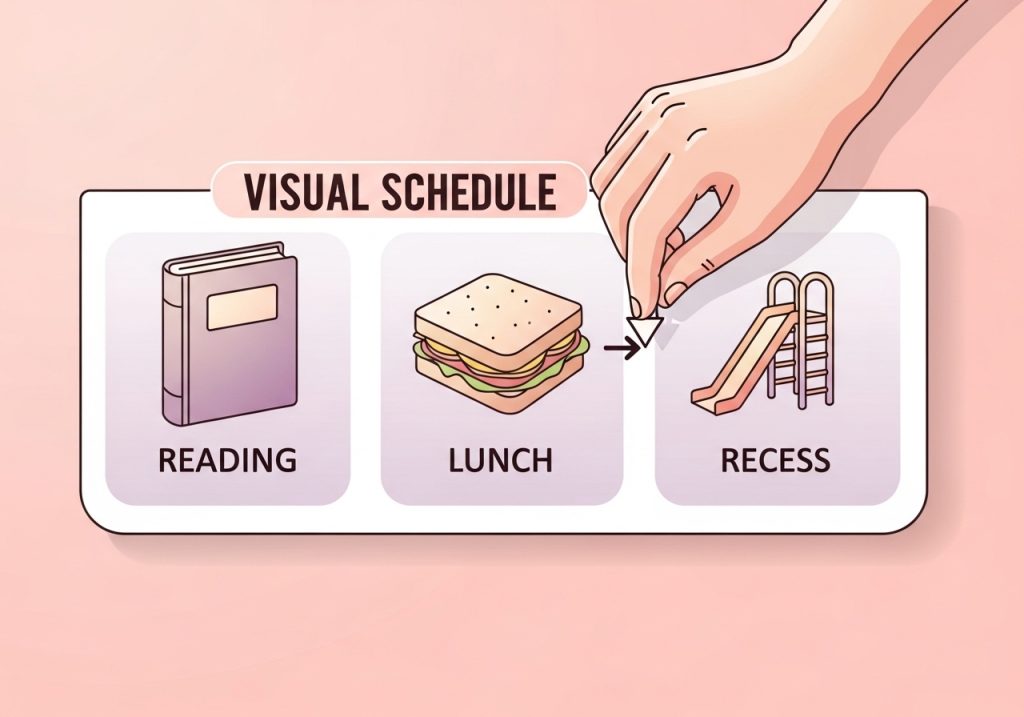
- Visual Schedules: Use a picture or word-based schedule to show the student what will happen throughout their day. As each activity is completed, it can be removed or checked off, providing a concrete sense of progress.
- Timers and Warnings: Use a visual timer to show how much time is left in an activity. Provide consistent verbal countdowns (“Five more minutes of blocks,” “Two minutes until we clean up”).
- Transition Objects: Allow the student to carry a specific, calming object (like a small toy or stress ball) from one location to another. This can provide a sense of security during the change.
- Social Stories: Write and read a simple story that describes a specific transition and outlines the expected behaviors and what will happen next.
- Teaching Replacement Behaviors: Teach skills that help the student participate in the transition.
- Following the Schedule: Teach the student to check their own schedule to see what is next. This promotes independence.
- Cleanup Routine: Break down the cleanup process into a simple, predictable sequence of steps. A song or visual chart can help structure this routine.
- Consequence Strategies (Reactive): Reinforce successful transitions to build a positive history with change.
- Immediate Reinforcement: As soon as the student completes a transition successfully, offer specific praise and access to a preferred item or activity at the start of the next task. For example, “Great job putting the blocks away and coming to the carpet! You can be the first to choose a book.”
- Redirect and Support: If the student begins to get upset, calmly redirect them back to the transition routine using visual cues. Avoid lengthy verbal negotiations.
Implementation Tips
Consistency is paramount. All adults should use the same language and tools for transitions. It can also be helpful to build in a brief, enjoyable activity immediately after a particularly difficult transition to create a positive association.
Behavior Intervention Plan Examples for Emotional Outbursts
Emotional outbursts, such as crying, yelling, or physical aggression, occur when a student’s emotions become too intense for them to manage. These behaviors are not manipulative; they are a sign of a lagging skill in emotional regulation. A BIP for emotional outbursts focuses on teaching self-regulation and coping skills.
When to Use This Plan
This plan is for students who have difficulty managing frustration, anger, or disappointment. The triggers can be small, like making a mistake on their work, or large, like losing a game at recess. The goal is to help them identify their feelings and use strategies to calm down before the emotion escalates into a large outburst.
Key Components of the Plan
- Antecedent Strategies (Proactive): These strategies help the student stay regulated and build self-awareness.
- Emotional Literacy: Explicitly teach the student to identify and name their emotions. Use tools like feeling charts or “Zones of Regulation” to give them a vocabulary for their internal experiences.
- Identify Triggers: Work with the student (when they are calm) to identify common situations that lead to frustration. Problem-solve and practice what they can do when those situations arise.
- Co-Regulation: The adult’s calm presence is a powerful tool. When you notice a student becoming agitated, approach them with a calm voice and empathetic body language to help them de-escalate.
- Teaching Replacement Behaviors: The student needs concrete strategies to use when they feel a big emotion.
- Coping Skills: Teach and practice calming strategies when the student is regulated. These can include taking three deep breaths, squeezing a stress ball, getting a drink of water, or looking at a calm-down bottle. Create a visual menu of these choices.
- Functional Communication: Teach the student to use their words to express their feelings and needs. For example, teach them to say, “This is too hard. I need a break,” instead of ripping their paper. This is a critical part of writing meaningful IEP goals for self-regulation.
- Consequence Strategies (Reactive): The response during and after an outburst should prioritize safety and learning.
- Prioritize Safety: During an outburst, the primary goal is to ensure the safety of the student and others. This may involve moving other students away and giving the student space.
- Debrief and Repair: Once the student is completely calm, revisit the situation later. Talk about what happened, what the trigger was, and what strategy they could try next time. This is a teaching moment, not a time for punishment.
- Praise Attempts: Acknowledge and praise any attempt the student makes to use a coping strategy, even if they were not fully successful in preventing the outburst.
Implementation Tips
Never try to teach a new skill or discipline a student in the middle of an emotional outburst. Their brain is not available for learning at that moment. The real teaching happens during calm times through practice and connection.
Behavior Intervention Plans are dynamic, supportive documents that should be tailored to the individual needs of each learner. By focusing on understanding the function of behavior and teaching new skills, we can move away from reactive, punitive measures and create environments where all students can thrive. Remember to collect data, collaborate with your team, and celebrate small steps of progress along the way.
Looking for more tools to support skill development? The Inspiring OT offers a collection of practical, evidence-informed resources designed by an experienced occupational therapist. From fine motor activities to sensory processing toolkits, our downloadable materials are created to help therapists, teachers, and families make skill-building engaging and effective. Explore our shop to find low-prep printables that simplify your planning and support successful growth in your learners.
Leave a Reply