
Sensory adaptations are modifications to an environment or task that help individuals manage sensory input and participate more effectively in daily activities. These adjustments are not about lowering expectations; they are about providing the necessary support so a learner can meet them. For occupational therapists, teachers, and parents, understanding how to use these strategies can make a significant difference in a child’s ability to learn, play, and engage with the world.
What Are Sensory Adaptations?
A sensory adaptation is any change made to support how a person processes information from their senses. This includes sight, sound, touch, taste, smell, movement (vestibular), and body position (proprioception). The goal is to create a ‘just-right’ level of sensory input, preventing someone from feeling overwhelmed or under-stimulated. According to research on neural systems, our brains constantly adapt to sensory stimuli to function efficiently. When this process is challenging for an individual, targeted adaptations help bridge the gap. These changes can be simple or complex and fall into two main categories:
- Environmental Adaptations: These involve altering the physical space. Examples include dimming bright fluorescent lights, reducing classroom clutter, providing noise-canceling headphones in a loud cafeteria, or creating a quiet corner for calming down.
- Task Adaptations: These involve modifying an activity or providing tools to help with it. This could mean offering a pencil grip for better tactile feedback during writing, allowing a child to stand while working, or breaking down a multi-step project into smaller parts to reduce cognitive load.
Why Sensory Processing Is Foundational to Learning
Every piece of information a child takes in to learn comes through the senses. Effective sensory processing allows the brain to organize this information, filter out what is unnecessary, and focus on the task at hand. When a child has difficulty with this process, their nervous system can be in a constant state of high alert or, conversely, feel sluggish and disengaged. This directly impacts foundational skills for learning, such as attention, emotional regulation, and motor coordination.
A classroom environment, for instance, is filled with sensory information: the hum of the lights, the sight of colorful posters on the wall, the feeling of the chair, and the sounds of other children. For a student with sensory sensitivities, this input can become a barrier to learning. The American Occupational Therapy Association emphasizes that participation in life is influenced by the ability to integrate sensory information. By providing the right supports, we help create a state of regulation where learning can happen.
How to Identify the Need for Sensory Support
While an occupational therapist can provide a formal evaluation, teachers and parents are experts at observing a child’s daily behavior. Recognizing patterns can help identify an unmet sensory need. Look for behaviors that seem out of proportion to the situation, as they may be communicating a need for support. For many neurodivergent individuals, including a high percentage of autistic people, sensory processing differences are a core part of their experience. Recognizing these signs is the first step toward providing support that makes a real difference.
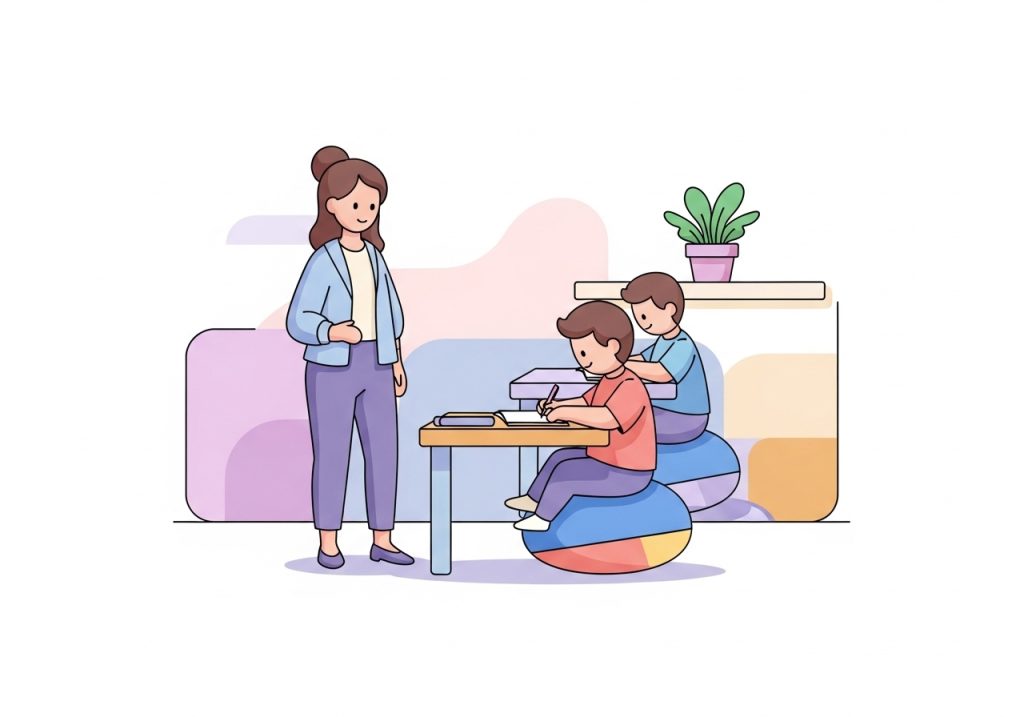
Consider these questions:
- Does the child seek out or avoid certain sensations? For example, they may constantly touch everything and everyone (seeking) or become distressed by messy hands (avoiding).
- How is their energy level? A child might appear constantly restless and unable to sit still, or they may seem lethargic and have trouble getting started on tasks.
- Are there challenges during specific times of day or activities? Difficulties during transitions, circle time, or lunch could point to specific environmental triggers.
- What is their emotional response? Frequent meltdowns, frustration, or withdrawal can be signs of sensory overload.
Noticing these signs is the first step. The next is to connect them to potential sensory adaptations that could help. This type of observation is a core component of creating inclusive environments and is fundamental to providing practical differentiated instruction examples for all learners.
Practical Sensory Adaptations for Common Challenges
The right adaptation depends entirely on the individual’s needs. Here are some practical ideas organized by sensory system that can be implemented in a classroom, therapy session, or home environment.
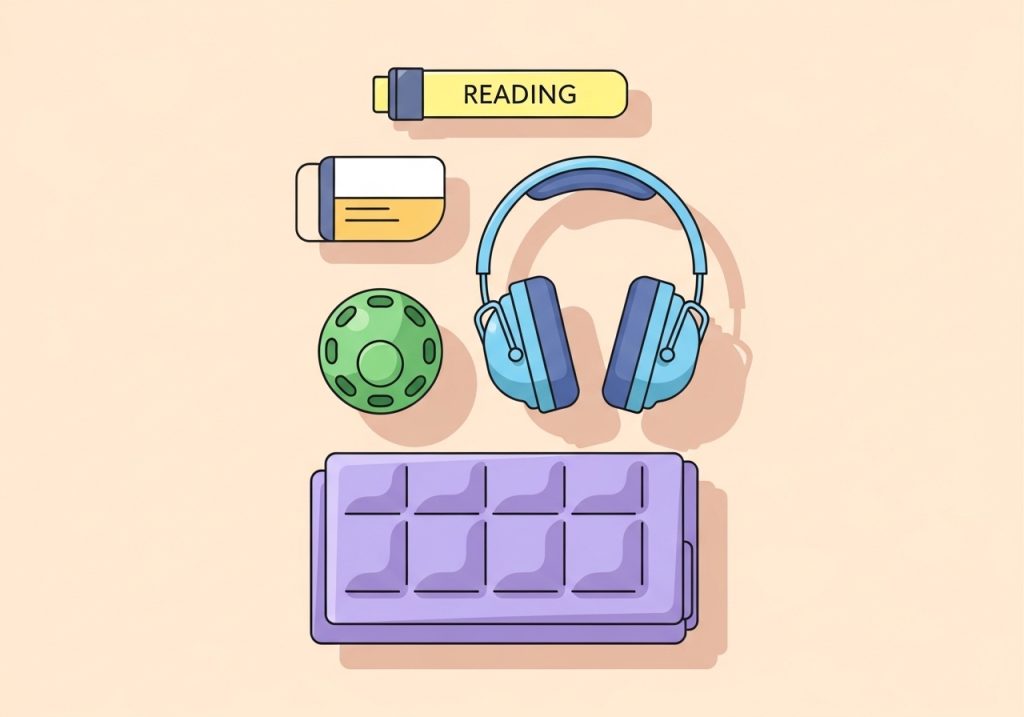
For Movement Needs (Vestibular and Proprioceptive)
- Flexible Seating: Offer options like wobble stools, therapy ball chairs, or cushions that allow for small movements while seated.
- Movement Breaks: Incorporate short, scheduled breaks with engaging skill-building activities like wall pushes, jumping jacks, or carrying a stack of books to the library.
- Weighted Tools: Use a weighted lap pad or vest during seated activities for calming proprioceptive input. Always consult with an OT for proper weight guidelines and wear schedules.
For Touch Needs (Tactile)
- Fidget Tools: Provide small, quiet tools for hands to hold and manipulate, which can improve focus. Think textured putty, stress balls, or a pencil topper.
- Texture Options: For children who avoid certain textures, introduce new ones gradually in a low-pressure way. For those who seek it, create a small bin with different textured items to explore.
- Seating Location: Be mindful of personal space. Seating a child at the end of a row can reduce accidental bumps from peers.
For Sound and Sight Needs (Auditory and Visual)
- Headphones: Noise-reducing headphones can block out distracting background noise during independent work.
- Visual Organization: Reduce clutter on walls and desks. Use a folder or partition to block distractions in the child’s field of vision. A simple colored reading strip can help eyes track text on a busy page.
- Lighting Adjustments: Turn off or cover harsh fluorescent lights and use lamps for softer, more natural lighting where possible.
Implementing and Monitoring Adaptations Effectively
Introducing a sensory adaptation is a process of trial and observation. It is important to present any new tool or strategy in a neutral, supportive way. Explain what it is for, such as, “Here is a cushion that might help your body feel calm and ready to learn.”
Collaboration is key. OTs, teachers, and parents should communicate about what works and what does not across different environments. An adaptation that is successful at school may also be helpful for homework time at home. For many students, these strategies become formalized and documented as part of their individualized plan, which is a critical component of a supportive IEP for autism or other learning profiles. Observe the child’s response to a new adaptation. Did their attention improve? Did they seem more comfortable? Be prepared to adjust the strategy or try something new. The ultimate goal is to empower the learner with tools that help them feel organized, regulated, and ready to succeed.
Ready to put these ideas into practice? Finding the right tools can simplify your planning and support learners more effectively. Explore The Inspiring OT shop for a wide variety of printable activities, guides, and assessments designed by an experienced occupational therapist. Discover engaging, low-prep resources to help build essential skills in the classroom, therapy room, or at home.
Leave a Reply