
Life skills are the essential abilities and competencies needed to manage daily tasks and participate effectively and independently in society. These practical skills extend far beyond academic knowledge, covering everything from personal hygiene to managing finances and communicating with others. For occupational therapists, educators, and parents, understanding the full scope of life skills is the first step in helping learners build a foundation for success in all environments, including home, school, and the community. This guide offers a clear, step-by-step approach to identifying, teaching, and reinforcing these critical abilities.
Step 1: Understand the Core Categories of Life Skills
To effectively teach life skills, it helps to organize them into functional categories. This classification, recognized by global health authorities like the World Health Organization, allows you to target specific areas for development and track progress in a structured way. While frameworks may vary slightly, life skills generally fall into several key domains that are crucial for everyday independence.
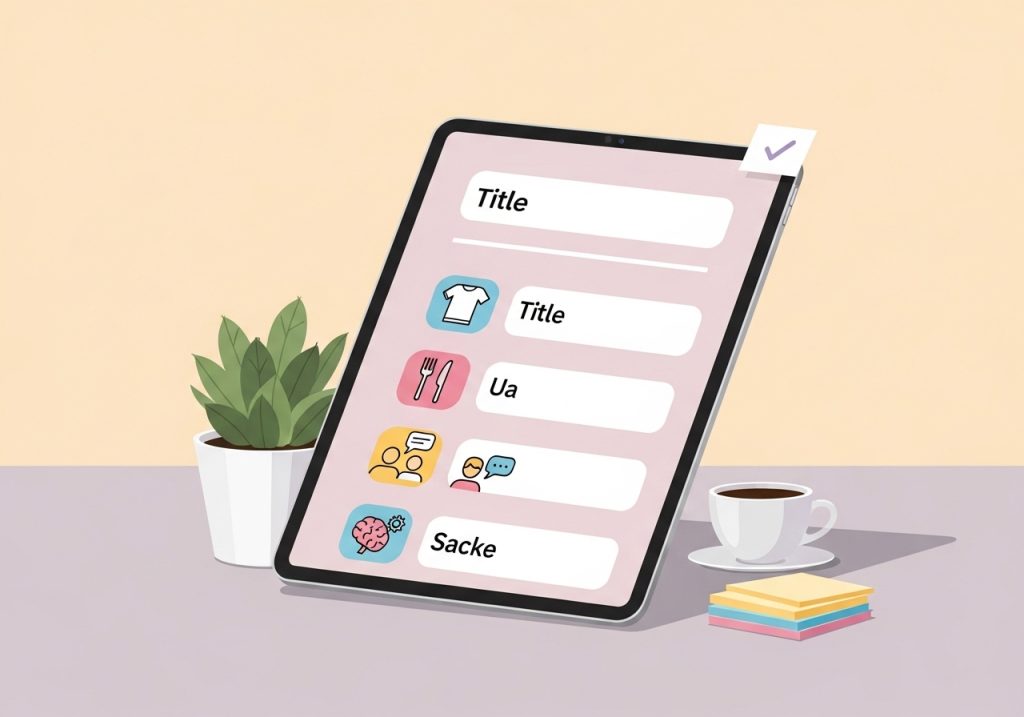
- Activities of Daily Living (ADLs): These are the fundamental self-care tasks that people perform daily. They include dressing, bathing, grooming, toileting, and eating. Mastery of ADLs is a primary goal for personal autonomy.
- Instrumental Activities of Daily Living (IADLs): These tasks are more complex and support an independent lifestyle within a community. Examples include preparing meals, managing a budget, cleaning the house, using public transportation, and shopping for necessities.
- Social and Communication Skills: This category involves the ability to interact positively and effectively with others. It covers verbal and non-verbal communication, understanding social cues, taking turns in conversation, expressing needs, and resolving conflicts.
- Executive Functioning Skills: These are the cognitive processes that control and regulate other behaviors. They include planning, organization, time management, problem-solving, working memory, and flexible thinking. These skills are necessary for completing multi-step tasks.
- Emotional Regulation and Coping Skills: This involves identifying and managing one’s own emotions in healthy ways. Key skills are recognizing feelings, using calming strategies, demonstrating resilience when faced with challenges, and asking for help when needed.
Step 2: Identify an Individual’s Needs and Set Clear Goals
After familiarizing yourself with the different types of life skills, the next action is to assess the specific learner. Not every child or student will need support in every area. A thoughtful evaluation helps you create a targeted plan that is both relevant and motivating. Start by observing the learner in various settings, such as during classroom activities, mealtimes, or free play. Note which tasks they complete independently and where they require prompts or assistance. Informal assessments, like simple checklists or interviews, can provide valuable insight into their current abilities and personal goals.
Once you have a clear picture of their needs, collaborate with the learner (if appropriate), their family, and other team members to set specific, measurable, achievable, relevant, and time-bound (SMART) goals. For example, instead of a general goal like “improve hygiene,” a SMART goal would be: “John will brush his teeth independently with verbal cues for duration for five consecutive days.” This clarity makes it easier to design interventions and measure success, which is a key part of creating practical self-advocacy IEP goals and other developmental plans.
Step 3: Integrate Skill-Building into Daily Routines
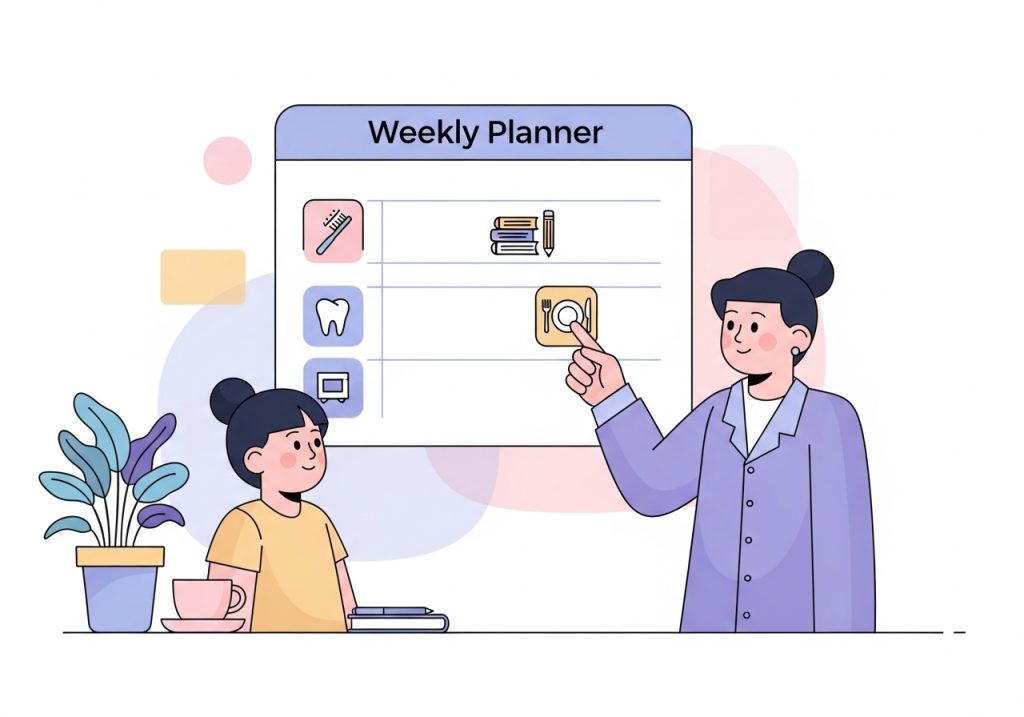
Life skills are best learned through consistent practice in natural environments. Rather than treating skill development as a separate lesson, embed it into existing daily routines. This approach helps learners see the direct application of a skill and promotes generalization. For instance, a child learning to sort laundry can help with the family’s clothes. A student practicing money skills can be the one to pay for a snack during a class outing. Breaking down complex tasks into smaller, manageable steps is also an effective strategy. Using visual representation in this way, such as a sequence chart for making a sandwich, can turn a difficult activity into an achievable one.
Step 4: Use Practical Tools to Reinforce Learning
Supporting materials and structured activities can significantly enhance the learning process. Tools make abstract concepts more concrete and provide the repetition needed for mastery. Depending on the skill and the learner’s needs, these resources can take many forms. Visual aids like checklists for morning routines or step-by-step guides for tying shoes are very effective. Worksheets can help reinforce concepts related to budgeting or telling time. Role-playing scenarios are excellent for practicing social skills in a safe and structured setting. Many organizations provide free guides with sample activities, such as this parent’s guide from Casey Family Programs. Using prepared activities and prompts can save valuable planning time while providing engaging, evidence-informed methods for skill development.
By breaking down the answer to ‘what are life skills’ into these actionable steps, you can create a systematic and supportive environment for learners. Focusing on these practical abilities equips them with the confidence and competence needed for greater independence. To start, choose one daily routine and identify a single skill to target. Consistent, focused effort is the key to building lasting capabilities.
Ready to put these strategies into action? The Inspiring OT offers a wide range of practical, low-prep resources designed by an experienced occupational therapist. From visual schedules and ADL checklists to social skills activities, our tools help you support learners effectively at home, in the classroom, or during therapy.
Leave a Reply