
Communication skills training is a structured process of teaching individuals how to effectively convey and receive information through verbal, nonverbal, and written methods. This process is fundamental for therapists, teachers, and parents who support learners with diverse needs, as it provides a clear framework for building the abilities needed for social connection, academic participation, and personal independence. Understanding the components of this training helps you target specific challenges and implement strategies that create meaningful progress.
What Is Communication Skills Training?
Communication skills training focuses on the practical mechanics of how we interact with one another. It moves beyond just speech and language to encompass the entire system of sharing thoughts, feelings, and needs. For children and adults, this training can be tailored to address specific difficulties, whether they stem from developmental delays, sensory processing differences, or social anxiety. The goal is to build competence and confidence in various social situations.
Effective training programs break communication down into four key areas:
- Verbal Communication: This involves the words we choose and how clearly we speak. Training might focus on expanding vocabulary, structuring sentences, or learning how to ask questions.
- Nonverbal Communication: This covers body language, facial expressions, gestures, and tone of voice. A significant portion of our messages are conveyed nonverbally, so learners practice interpreting these cues in others and using them appropriately themselves.
- Listening Skills: True communication is a two-way street. This component teaches active listening, which includes paying attention, understanding what is being said, and showing the speaker you are engaged.
- Social Pragmatics: These are the unwritten social rules of conversation. Training in this area covers topics like taking turns, staying on topic, understanding personal space, and using greetings.
Why Effective Communication Is Essential for Development
Communication abilities are foundational to nearly every aspect of a person’s life. When learners can communicate effectively, they are better equipped to navigate their world. Difficulties in this area can create significant barriers in school, at home, and in the community.
For educators and therapists, focusing on communication is crucial because it directly impacts:
- Academic Success: A student needs to understand instructions from a teacher, ask for help when confused, and collaborate with peers on group projects. Strong communication skills are linked to better reading comprehension and written expression.
- Social Relationships: Making and keeping friends depends on the ability to initiate conversations, share interests, and resolve conflicts. Children who struggle to communicate may experience social isolation.
- Emotional Regulation: The ability to label and express feelings like frustration, sadness, or excitement is a key part of managing internal emotions and self-awareness. Without the words to express themselves, learners may resort to challenging behaviors.
- Independence: As individuals grow, they need to advocate for themselves, whether it is ordering food at a restaurant, participating in a job interview, or explaining a need to a doctor. These life skills depend on confident communication.
Core Strategies in Communication Skills Training
A successful approach to communication skills training uses multiple strategies to make abstract social concepts concrete and manageable. Research shows that combining different methods is an effective strategy for training communication skills. Instead of simply telling a learner what to do, these techniques provide opportunities for practice in a supportive environment.
Modeling and Role-Playing
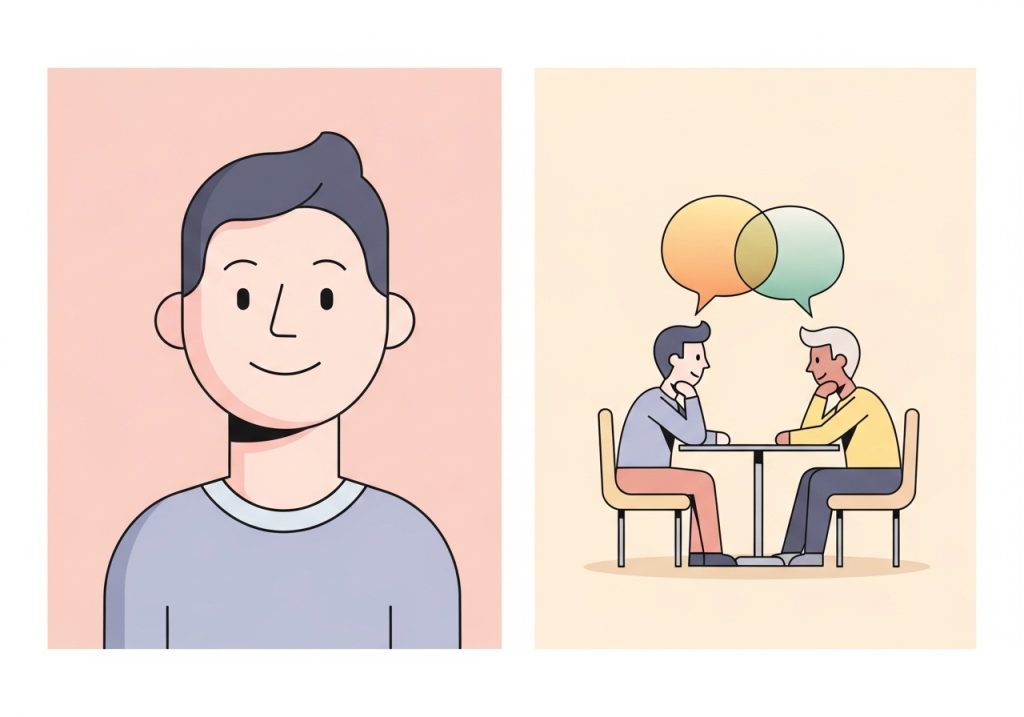
Demonstrating desired behaviors is a powerful teaching tool. You can model how to start a conversation, give a compliment, or disagree respectfully. Role-playing gives the learner a chance to practice these skills in a safe setting. For example, you might act out a scenario like asking a peer to join a game at recess, allowing the learner to practice the words and actions before trying it in a real situation.
Using Visual Supports
Visual aids can clarify expectations and reduce anxiety. This method of scaffolding in education provides temporary support as a learner builds a new skill. Social stories are short narratives that describe a social situation and the expected behaviors. Other useful visuals include conversation scripts, feelings charts that connect emotions to facial expressions, and checklists for conversational turn-taking.
Teaching Active Listening
Active listening can be broken down into observable behaviors. You can teach learners to turn their body toward the speaker, make eye contact (if comfortable), and wait for a pause before speaking. You can also practice skills like asking clarifying questions (“So, you mean that…?”) to show they are processing the information.
Decoding Nonverbal Cues
Many learners find it difficult to interpret nonverbal signals. Use pictures, video clips, or even mirrors to explicitly teach what different facial expressions and body postures mean. You can play games like charades or guess-the-emotion to make this practice engaging.
Adapting Communication Goals for Different Settings
The goals of communication training should be functional and relevant to the learner’s daily life. This means adapting strategies to fit the environment where the skills will be used.

- In the Classroom: Goals might center on academic participation, such as raising a hand to ask a question, working with a partner on an assignment, or presenting information to a small group. Implementing clear classroom management strategies can create a predictable environment where students feel safer practicing these skills.
- In Therapy Sessions: A therapist can create a structured environment to target very specific skills. This could include working on maintaining a conversation for a certain number of turns or practicing how to handle disagreements with a peer.
- At Home: Parents and caregivers can focus on communication during daily routines. Goals could involve expressing preferences at mealtime, sharing details about their day, or negotiating household chores with siblings.
Practical Tools to Support Skill Building
Using well-designed resources can make communication training more consistent and engaging. Systematic reviews of these programs show that structured training improves communication outcomes. Low-prep, printable tools are especially helpful for busy therapists, teachers, and parents who need practical materials ready to go.
Consider incorporating resources like:
- Conversation Starter Cards: These provide low-pressure prompts to help initiate and maintain conversations.
- Social Scenario Worksheets: These present a brief social problem and ask the learner to think through appropriate responses.
- Emotion Identification Activities: Worksheets or games that help learners connect facial expressions and body language to specific feelings build emotional vocabulary.
- Self-Regulation Guides: Tools that help learners identify their feelings and choose a communication-based strategy (like asking for a break) can reduce behavioral challenges.
By breaking down complex social interactions into teachable parts, communication skills training empowers learners with the tools they need to connect with others. Start by identifying one specific communication goal for your learner and select one or two strategies to practice consistently. This focused approach can build a strong foundation for more confident and effective communication.
Ready to put these strategies into action? The Inspiring OT offers a wide range of practical, OT-created resources designed to make skill building easier and more engaging. Explore our collection of low-prep printables, from conversation prompts to social-emotional activities, and find the perfect tools to support your learners. Visit The Inspiring OT shop today to simplify your planning and help your learners thrive.
Leave a Reply