
A practical guide for teachers can help support student fine motor skills by focusing on observation, integrating simple activities, and adapting classroom materials. Developing control over the small muscles in the hands and fingers is essential for academic tasks like handwriting and art, as well as life skills such as using zippers and buttons. When students struggle with these skills, it can affect their confidence and classroom participation. This guide offers a step-by-step approach to help you identify needs and implement effective strategies right in your classroom.
Step 1: Observe and Identify Specific Needs
The first step is to carefully observe students during activities that require fine motor control. Before you can provide support, you need to understand the specific nature of a student’s challenges. Look for patterns in how they approach tasks involving writing, cutting, and manipulating small objects. Documenting these observations provides a clear picture of where a student needs the most help and is valuable information if you later consult with a school occupational therapist. According to guidance for educators, clear communication about a child’s progress is key to providing support.
Pay attention to common signs of fine motor difficulty, including:
- An awkward or inefficient pencil grasp that causes fatigue.
- Difficulty staying on the line when cutting with scissors.
- Trouble managing small fasteners like buttons, snaps, and zippers on clothing or classroom materials.
- Consistent avoidance of drawing, coloring, or writing tasks.
- Pressing too hard or too softly with writing tools.
- Clumsiness when handling small manipulatives like beads or blocks.
Step 2: Integrate Quick Fine Motor Warm-Ups
Incorporating short warm-up exercises into your daily routine can prepare students’ hands for fine motor work. These activities take only a few minutes and can be done at the start of the day, before a writing lesson, or during a transition period. The goal is to activate the small muscles in the hands and improve motor coordination. Think of it as a small stretch break for the fingers. These warm-ups can also be a fun and engaging way to reset student focus.
Here are a few simple warm-up ideas:
- Finger Push-Ups: Have students press the tips of their fingers on one hand against the fingertips of the other.
- Play-Doh Squeezing: Squeezing and rolling therapy putty or Play-Doh builds hand strength.
- Paper Crumpling: Challenge students to crumple a piece of paper into the smallest, tightest ball possible using only one hand.
- Clothespin Pinching: Use clothespins to pick up small items like cotton balls or pom-poms and move them from one container to another.
For additional activities and a deeper look at developmental milestones, you can explore more ways to improve fine motor skills with OT-approved strategies.
Step 3: Adapt Classroom Materials and Tools
Sometimes, a simple modification to classroom materials can make a significant difference for a student. Adapting tools helps reduce frustration and allows students to focus on the learning objective rather than struggling with the physical demands of the task. These adaptations align with the principles of Universal Design for Learning, which promotes creating a flexible learning environment that supports all students. As noted by experts at Edutopia, providing different ways for students to engage with materials is a powerful strategy.
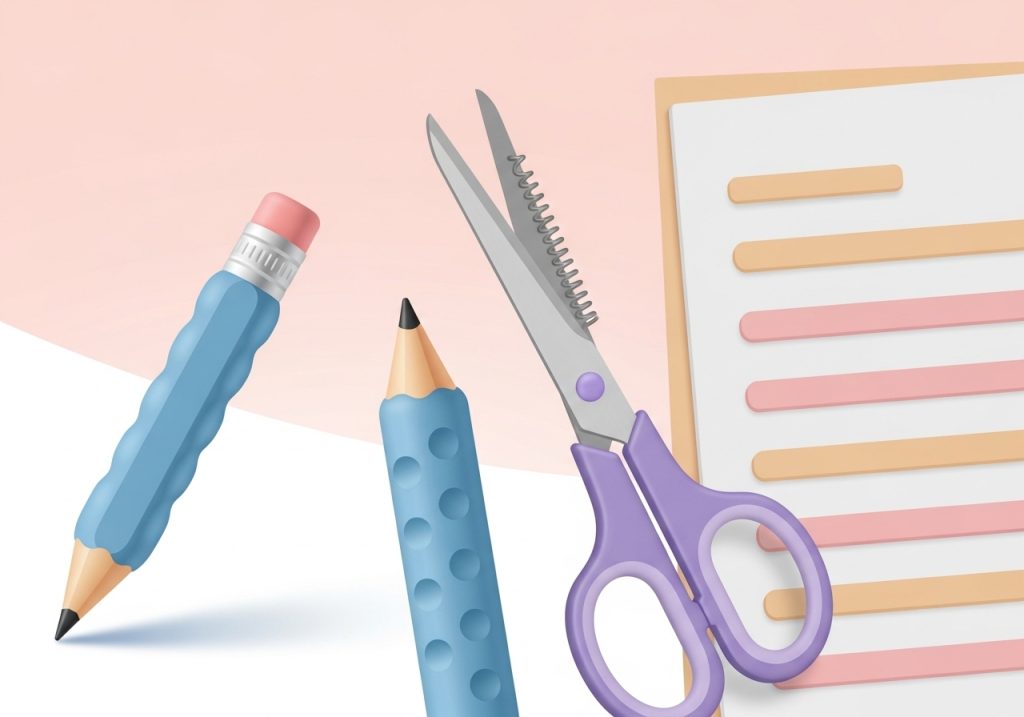
Consider these common adaptations:
- Pencil Grips: These can help position a child’s fingers for a more functional and comfortable grasp.
- Adapted Scissors: Spring-loaded or loop scissors automatically reopen after a cut, which reduces the effort required to operate them.
- Slant Boards: Writing on an angled surface can promote better wrist extension and a more stable arm position.
- Raised-Line Paper: Paper with raised lines provides tactile feedback that helps students stay within the writing space.
- Thicker Writing Tools: Larger crayons, markers, or pencils are often easier for small hands to grasp and control.
Step 4: Incorporate Play-Based Learning Stations
Purposeful play is one of the most effective ways to build fine motor skills. Setting up learning stations with activities that target hand strength, dexterity, and hand-eye coordination allows students to practice these skills in a fun, low-pressure setting. Rotate the stations regularly to maintain student engagement and introduce new challenges. Many engaging sensory play activities also double as excellent fine motor practice.
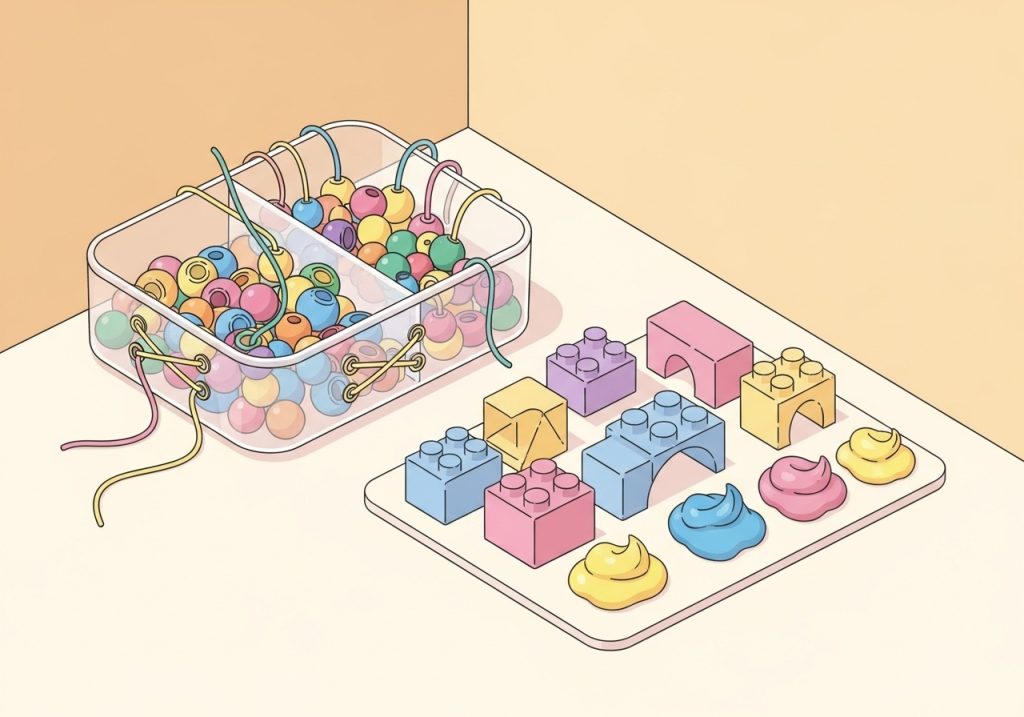
Ideas for fine motor learning stations include:
- Lacing and Threading: Provide lacing cards, large beads, and strings or pipe cleaners.
- Construction Play: Offer interlocking blocks, magnetic tiles, or nuts and bolts to encourage building and connecting.
- Tweezer and Tong Transfer: Have students use tweezers or small tongs to move pom-poms, beads, or other small items between bowls.
- Art and Craft Tools: A station with hole punches, stamps, and stickers requires precise finger movements and builds hand strength.
Step 5: Create a Collaborative Plan with School OTs
While the strategies in this guide for teachers can be implemented independently, it is important to know when to seek additional support. The school’s occupational therapist (OT) is a valuable partner in supporting students with fine motor challenges. If you have tried various classroom strategies and a student continues to struggle significantly, it may be time for a consultation or referral. A collaborative approach ensures the student receives consistent support across all school environments.

To prepare for a conversation with an OT, gather the following information:
- Specific Observations: Share your documented notes on which tasks are difficult for the student.
- Work Samples: Collect examples of the student’s handwriting, cutting, or drawing.
- Strategies Tried: List the adaptations and activities you have already implemented in the classroom.
- Impact on Learning: Explain how the fine motor difficulties are affecting the student’s ability to participate in academic tasks.
Supporting students’ fine motor development is a critical part of a teacher’s role. By observing needs, integrating simple daily activities, adapting materials, and collaborating with specialists, you can create an environment where every child can build the skills they need for success. These small, consistent efforts can make a profound impact on a student’s confidence and ability to engage fully in their education.
Ready to bring more practical, skill-building activities into your classroom or therapy sessions? The Inspiring OT offers a wide range of downloadable worksheets, assessments, and engaging activities designed by an experienced occupational therapist. Simplify your planning and help your learners succeed with our easy-to-use, evidence-informed resources. Explore the shop today to find the perfect tools to support fine motor, sensory, and life skills development. Visit The Inspiring OT on Teachers Pay Teachers.
Leave a Reply