
To improve fine motor skills, focus on a structured progression of activities that build hand strength, refine grasp patterns, improve coordination, and integrate these abilities into daily tasks. This approach ensures that learners develop the foundational control necessary for complex activities like writing, dressing, and using tools. For occupational therapists, teachers, and parents, understanding how to support this development is essential for helping children succeed in the classroom and at home. This guide provides a practical, step-by-step framework for building these critical abilities through targeted, purposeful play.
Fine motor skills involve the use of the small muscles in the hands, fingers, and wrists. Well-developed skills allow a child to manipulate objects, complete self-care routines, and engage in academic work with confidence. When these muscles are weak or poorly coordinated, tasks that seem simple can become frustrating. By following a logical sequence of skill-building, you can provide effective support that addresses the root of the challenge and fosters lasting improvement.
Step 1: Develop Foundational Hand and Finger Strength
The first step is to build the essential muscular foundation needed for control. Before a child can master a precise pincer grasp or hold a pencil correctly, they need adequate strength in their hands and fingers. Activities that provide resistance are excellent for developing these small intrinsic muscles. When planning activities, think about actions that involve squeezing, pinching, and pulling. This phase is less about precision and more about building raw capacity.
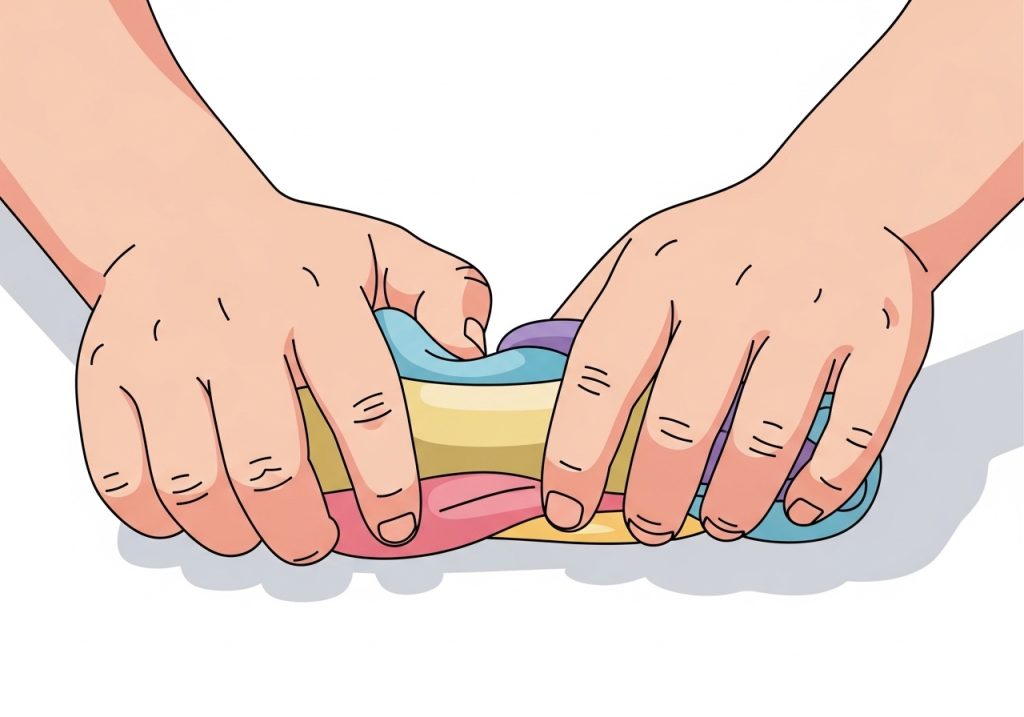
Incorporating strength-building exercises into a child’s routine can be simple and fun. Many of these activities use common household or classroom items. Effective activities for building hand strength include:
- Using Play Dough or Therapy Putty: Squeezing, rolling, pinching, and pulling apart therapy putty or dough is a classic and highly effective method. According to the University of St. Augustine for Health Sciences, squeezing materials like Play-Doh is a recommended activity for improving fine motor control.
- Playing with Spray Bottles or Squeeze Toys: The resistance from squeezing a trigger on a spray bottle or a squirt toy provides an excellent workout for the whole hand. This can be used for watering plants, cleaning a whiteboard, or outdoor water play.
- Tearing Paper: Tearing paper into small strips requires significant finger strength and bilateral coordination. Use the torn pieces for art collages or craft projects.
- Using Clothespins: Pinching clothespins to open them strengthens the thumb, index, and middle fingers. Have the child clip them onto the rim of a box, a piece of cardboard, or a string.
- Working with Hole Punches and Staplers: Using a single-hole punch or a mini stapler requires concentrated force and helps isolate finger movements.
These activities create the necessary groundwork for more refined movements. Focusing on this foundational step prevents frustration later when children are asked to perform more complex tasks.
Step 2: Refine Pincer Grasp and In-Hand Manipulation
Once a child has developed baseline hand strength, the next focus is on refining their grasp and the ability to move small objects within one hand. This is where precision begins. The pincer grasp, using the tips of the thumb and index finger, is essential for picking up small items and is a precursor to a functional pencil grip. In-hand manipulation is the ability to adjust an object’s position in the hand without help from the other hand, such as moving a coin from the palm to the fingertips to place it in a slot. These are crucial pre-occupational skills for independence.
Activities for this stage should encourage the use of the “skill fingers” (thumb, index, and middle finger) while stabilizing the hand with the other fingers. This dissociation of movement is key for efficient hand use.
Try these activities to promote grasp and manipulation skills:
- Using Tweezers or Tongs: Picking up small items like cotton balls, pom-poms, or beads with tweezers encourages the development of a strong pincer grasp.
- Threading and Lacing: Pushing a string through the hole of a bead requires a precise grasp on the string and the ability to aim accurately.
- Peeling and Placing Stickers: Peeling a sticker off its backing requires a fine pincer grasp. Placing it carefully onto paper further refines this control.
- Playing with Small Building Blocks: Connecting and disconnecting small interlocking blocks forces the fingers to work together in a coordinated way.
- Coin and Button Activities: Picking up coins one at a time and placing them into a piggy bank slot helps with both pincer grasp and in-hand manipulation. Sorting buttons by color or size also works well.
Step 3: Enhance Bilateral and Visual Motor Coordination
With strength and grasp established, the next step is to improve how the hands work together and how they coordinate with the eyes. Bilateral coordination is the ability to use both sides of the body in a controlled manner, either by performing the same action, alternating actions, or having each hand perform a different but complementary task. Visual motor integration, often called eye-hand coordination, is the brain’s ability to process visual information to guide hand movements. These skills are critical for tasks like cutting with scissors, improving handwriting, and catching a ball.
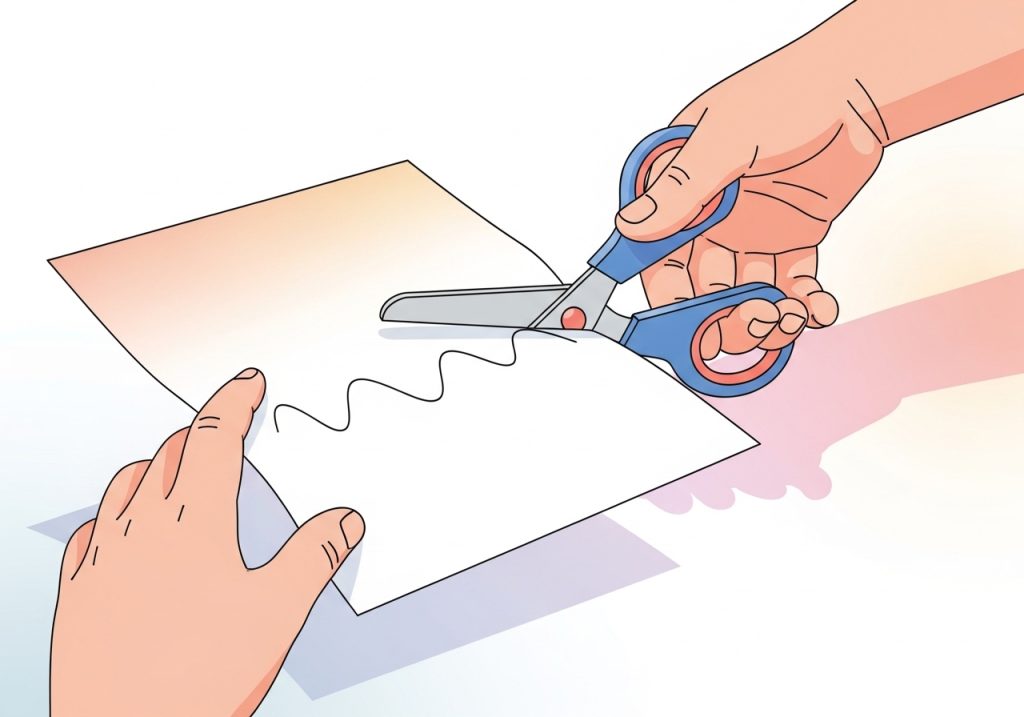
Many play-based activities naturally encourage these skills. The goal is to choose tasks where one hand must stabilize or assist while the other hand performs a more skilled action. The OT Toolbox, an industry resource, highlights games like stringing beads and building with blocks as effective for development.
Here are some activities to target coordination:
- Cutting with Scissors: This is a complex task that requires one hand to hold and turn the paper while the other opens and closes the scissors. Start with cutting play dough, then move to straight lines, and eventually to curved lines and simple shapes.
- Drawing, Tracing, and Mazes: These activities require the eyes to guide the hand’s movement along a specific path. The non-dominant hand should be used to stabilize the paper.
- Building with Blocks: Constructing towers or other creations requires one hand to hold the structure steady while the other carefully places a new block.
- Lacing Cards: This activity involves holding the card steady with one hand while manipulating the lace with the other, requiring both bilateral and visual motor skills.
Step 4: Integrate Skills into Everyday Functional Tasks
The final step is to apply these developing abilities to real-world, functional activities. This is where children see the purpose behind the practice. Integrating fine motor practice into daily routines reinforces learning and promotes independence. It helps transition skills from isolated exercises to automatic, natural movements used in self-care, play, and schoolwork. According to All Therapy Resources, consistency is key, and short daily practice sessions integrated into routines are highly effective.
Look for opportunities throughout the day to encourage a child to use their fine motor skills:
- Dressing: Encourage the child to manage their own buttons, zippers, and snaps. Start with larger fasteners and move to smaller ones as their skill improves.
- Mealtimes: Have the child use utensils, open their own snack containers, unscrew bottle caps, and peel fruits like bananas or clementines.
- Hygiene Routines: Tasks like squeezing toothpaste onto a brush, turning faucet knobs, and using a pump soap dispenser are all excellent practice.
- Classroom and Home Chores: Simple tasks like wiping a table with a sponge, sorting small objects, or helping to put away toys can build skills.
By breaking down the process of how to improve fine motor skills into these four manageable steps, you can create a supportive environment for growth. Start with building a strong foundation, then move toward precision and coordination, and finally, apply those skills to meaningful, everyday tasks. This thoughtful approach helps children build not just the ability but also the confidence to tackle new challenges.
Ready to put these strategies into action? Finding the right activities to support skill development can be time-consuming. At The Inspiring OT, we create practical, engaging, and low-prep resources designed by an experienced occupational therapist to make your job easier. From fine motor task cards to handwriting worksheets and sensory guides, our materials are made to help learners thrive. Explore our shop to find downloadable, evidence-informed activities that you can use today in your therapy session, classroom, or home. Visit The Inspiring OT shop on Teachers Pay Teachers to get started.
Leave a Reply