
Supporting a learner with Attention-Deficit/Hyperactivity Disorder (ADHD) requires a thoughtful approach to their study habits. Traditional methods that rely on sustained, quiet focus can often be counterproductive, leading to frustration for both the student and the educator. The key is to implement strategies that work with, not against, the ADHD brain. These practical ADHD study tips are designed to support executive functions, manage sensory needs, and build a learner’s confidence and independence. By focusing on structure, engagement, and regulation, we can create an environment where students can thrive.
Structure the Study Environment for Focus
The study environment itself can be a powerful tool for improving attention. For a learner with ADHD, external distractions can easily pull focus away from the task at hand. Creating a dedicated space for learning helps signal to the brain that it’s time to concentrate. This space should be as free from clutter and unnecessary stimuli as possible. A minimalist setup with only the essential materials can prevent the mind from wandering.
Consider the sensory components of the environment. Some students work best in complete silence, while others find a low level of background noise, like white noise or soft instrumental music, to be calming. Key strategies include:
- Minimizing Visual Distractions: Position the desk facing a wall instead of a window or a busy area of the room. Use a simple trifold presentation board to create a “study carrel” that blocks peripheral vision.
- Managing Auditory Input: Noise-canceling headphones can be invaluable for blocking out unpredictable household sounds. This allows the learner to control their auditory environment.
- Keeping it Organized: Ensure all necessary supplies are within reach to avoid the need to get up and search for items, which can break concentration. Use simple organizers for pens, paper, and books.
According to the University of Illinois’s Disability Resources and Educational Services, it is important to find a quiet space that is used for studying only. This consistency helps build a strong mental association between that location and focused work, making it easier to get into a productive mindset.
Break Down Assignments into Smaller Chunks
Large, multi-step projects can feel insurmountable to a student with ADHD, often triggering feelings of overwhelm that lead to procrastination. The skill of breaking down tasks, or “chunking,” is fundamental for supporting task initiation and persistence. Instead of seeing one large project due in three weeks, the learner sees a series of small, manageable steps to be completed one at a time. This approach provides a clear path forward and makes the entire process feel less intimidating.
To implement this strategy, sit down with the learner and a planner or whiteboard. Map out the project from start to finish, identifying every individual step required. Assign a deadline to each small chunk. This turns an abstract goal into a concrete action plan. For example, a research paper could be broken down into:
- Choose a topic.
- Find five sources.
- Write an outline.
- Draft the first paragraph.
- Complete the first page.
This method also provides more frequent opportunities for positive reinforcement. Completing each small step offers a sense of accomplishment, which builds momentum and motivation to continue. This aligns with ADHD-friendly techniques that emphasize focusing on small, achievable tasks to build a sense of progress.

Use Timers to Manage Study Intervals
Sustaining attention for long periods is a significant challenge for many individuals with ADHD. Using a timer to structure work periods can transform study time from an endless marathon into a series of short, manageable sprints. This approach, often called the Pomodoro Technique, involves working in focused intervals (e.g., 25 minutes) followed by short breaks (e.g., 5 minutes).
This method is effective for several reasons. First, a defined endpoint reduces the feeling of being overwhelmed; the learner knows they only need to focus for a limited time. Second, it helps combat time blindness, a common trait in ADHD where individuals struggle to perceive the passage of time. A visual timer, which shows time elapsing, can be particularly helpful. The scheduled breaks also provide a necessary outlet for mental and physical energy, preventing burnout and helping the brain reset for the next interval of focus. The Attention Deficit Disorder Association (ADDA) also recommends the Pomodoro Technique as a way to enhance learning and productivity.
Integrate Planned Movement Breaks
For many learners with ADHD, the need to move is not a distraction; it is a vital regulation strategy. Sitting still for extended periods can increase fidgeting and decrease focus. Instead of fighting this need, build intentional movement breaks into study routines. These breaks provide essential sensory input that helps organize the brain and calm the nervous system, making it easier to return to academic tasks with renewed focus.
Movement breaks don’t need to be long or complicated. Even 3-5 minutes of physical activity can make a significant difference. The goal is to provide proprioceptive and vestibular input, which helps with body awareness and regulation. Great options for movement breaks include:
- Stretching or simple yoga poses.
- Doing jumping jacks or running in place.
- Pushing against a wall.
- Using a therapy band for resistance exercises.
- Walking around the house or yard.
By scheduling these breaks, you validate the learner’s needs and teach them a valuable self-regulation skill. This proactive approach helps them get the movement they need without disrupting the learning process. It’s an important part of understanding kinesthetic sensory input and its role in attention.

Engage Multiple Senses During Learning
Multisensory learning involves using two or more senses at the same time to process information. This method is highly effective for students with ADHD because it makes learning more active and engaging, which improves focus and retention. When information is presented in multiple ways (visually, auditorily, kinesthetically), it creates stronger, more diverse neural pathways in the brain, making it easier to recall later.
Instead of relying solely on reading a textbook or listening to a lecture, try incorporating different sensory experiences into study sessions. For example:
- Auditory: Read text aloud, use text-to-speech software, or create rhymes or songs to remember facts.
- Visual: Use highlighters, draw mind maps, watch educational videos, or use flashcards with images.
- Tactile/Kinesthetic: Use textured paper, trace letters in sand or shaving cream, build models to represent concepts, or use manipulatives for math problems.
These techniques transform studying from a passive activity into an interactive one. This can be a key component of building a sensory-friendly classroom or home learning environment that supports diverse needs.
Actionable ADHD Study Tips: Externalize Planning with Visual Aids
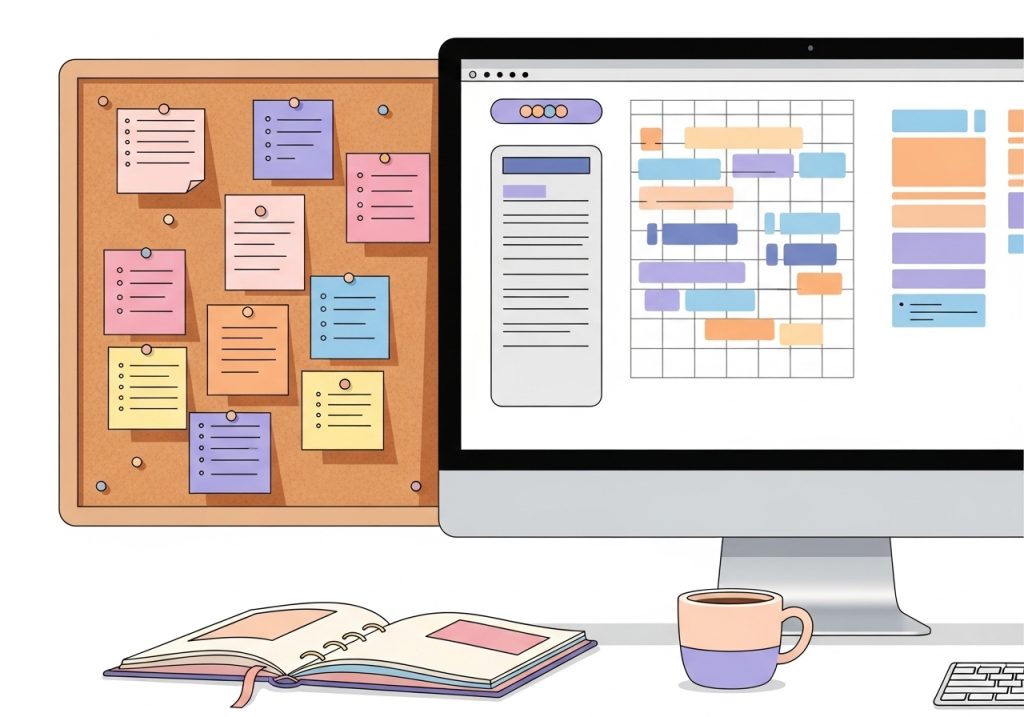
ADHD often impacts working memory, which is the ability to hold and manipulate information in your mind to complete a task. This can make it difficult to remember multi-step instructions, keep track of deadlines, and organize thoughts. A powerful strategy to support working memory is to “externalize” information, moving it out of the brain and into the physical environment using visual aids.
Visual tools act as an external hard drive for the brain, freeing up mental resources to focus on the learning itself. These aids should be placed in a highly visible location where the learner will see them frequently. Effective visual aids include:
- Whiteboards or Chalkboards: Perfect for brainstorming, mapping out assignments, and listing daily priorities.
- Planners or Calendars: Use a large wall calendar or a physical planner to mark deadlines for tests and projects. Color-code different subjects for clarity.
- Sticky Notes: Ideal for short-term reminders. Place them on a monitor, a mirror, or the door to serve as visual cues for important tasks.
- Digital Apps: Many apps are designed to help with task management, sending reminders and helping organize projects visually.
By making plans and deadlines visible and concrete, you reduce the cognitive load on the learner and empower them to manage their responsibilities more independently.
Implement a ‘Brain Dump’ Before Starting
The ADHD brain can often feel like it has too many tabs open at once. Distracting thoughts, worries, and unrelated ideas can pop up and derail a study session before it even begins. A “brain dump” is a simple yet effective technique to clear this mental clutter. Before starting an assignment, provide the learner with a blank piece of paper and have them write down everything that is on their mind.
This could include reminders (“I need to pack my gym bag”), worries (“What if I fail the test?”), or random ideas (“I should look up how rockets work”). The act of writing these thoughts down acknowledges them and gives them a place to live outside of the learner’s head. This frees up mental space and allows the student to approach their work with a clearer, more focused mind. It’s a low-pressure way to manage internal distractions and improve the quality of a study session.
Use Color-Coding to Organize Information
Visual organization systems can be incredibly helpful for students with ADHD. Color-coding is a simple strategy that leverages the brain’s ability to quickly recognize and categorize visual information. Assigning a specific color to each school subject can create an immediate and intuitive organizational framework. This system can be applied to almost every aspect of schoolwork.
For instance, you could use:
- A red folder, notebook, and textbook cover for Math.
- A blue folder, notebook, and textbook cover for English.
- A green folder, notebook, and textbook cover for Science.
This consistency makes it easier to grab the right materials quickly and keep papers organized. The strategy can also be applied to note-taking, where different colors can be used to highlight key terms, important dates, or main ideas. This visual structure helps the brain filter and prioritize information, which can improve both comprehension and recall.
Practice Active Recall Instead of Passive Review
Many students study by passively reviewing material, such as re-reading notes or highlighting textbook chapters. While this can feel productive, it is often an ineffective way to build long-term memory. A much more powerful method, especially for learners with ADHD, is active recall. This technique involves actively retrieving information from memory, which strengthens the neural pathways associated with that information.
As noted by ADDitude Magazine, a highly effective study method is to create a practice test to predict what a teacher might ask. Other active recall strategies include:
- Using Flashcards: The act of trying to remember the answer before flipping the card is a form of active recall.
- Explaining a Concept to Someone Else: Teaching a topic forces the learner to organize their thoughts and retrieve key details.
- Self-Quizzing: Cover up notes and try to summarize the main points from memory.
Active recall is more mentally demanding than passive review, but it leads to deeper, more durable learning.
Establish a Consistent Study Routine
Consistency and predictability are calming for the ADHD brain. Establishing a regular study routine helps automate the process of getting started, reducing the executive function demands required to begin work. When a student knows exactly when, where, and how they are supposed to study each day, it eliminates decision fatigue and reduces opportunities for procrastination.
A good routine has several components. It should happen at roughly the same time each day, in the same designated study space. The routine could also include a “warm-up” activity, such as the brain dump mentioned earlier, reviewing the planner, or gathering materials. The predictability of the routine creates structure that helps the brain transition into a focused state. This consistency also supports the development of long-term habits. Integrating this with setting clear, achievable goals for each study session can further enhance its effectiveness.
Implementing effective ADHD study tips is about creating a supportive and structured framework that addresses the unique needs of the learner. By focusing on environmental modifications, task management strategies, and sensory regulation techniques, you can empower students to build focus, improve retention, and develop lifelong learning skills. The goal is not to eliminate the challenges of ADHD but to provide the right tools and strategies to navigate them successfully.
Ready to equip your learners with more tools for success? The Inspiring OT offers a wide range of practical, OT-designed printable activities and resources to support skill development. From fine motor and handwriting practice to sensory toolkits and executive function guides, our materials are created to make learning engaging and effective. Explore the shop to find low-prep solutions that simplify your planning and help every learner thrive.
Leave a Reply