
Therapeutic play is a structured, goal-oriented approach where a therapist, educator, or caregiver uses play activities to help a child address developmental, emotional, or social challenges. While it looks like typical play, it is intentionally guided to support specific skill development in a safe and engaging environment. This method helps children process experiences, build new skills, and improve their overall well-being without the pressure of more formal instruction. Research shows that it is a highly effective intervention, with studies indicating that a significant majority of children who participate show improvements in their emotional and behavioral health.
Defining Therapeutic Play: More Than Just Fun
The primary difference between therapeutic play and free play lies in intent. Free play is spontaneous and completely directed by the child’s imagination. Therapeutic play has specific objectives identified by an adult, even when the activity itself is led by the child. The therapist or caregiver sets up the play scenario with a particular skill in mind, such as improving hand-eye coordination or practicing social turn-taking. According to experts, the goal of therapeutic play is to decrease difficulties that interfere with a child’s normal functioning and help them achieve important developmental milestones through a natural medium.
In this context, the adult is an active facilitator. Their role is to structure the environment, select appropriate materials, and gently guide the child toward achieving a developmental goal. They create a purposeful experience that still feels like fun and exploration for the child. This structured approach helps children make sense of their world, build relationships, and understand their emotions in a supported setting.
The Core Principles of Effective Therapeutic Play
For play to be truly therapeutic, it needs to follow a few key principles that ensure it is both enjoyable and effective. These guiding ideas help create a foundation for meaningful progress. When these elements are in place, play becomes a powerful tool for building skills and confidence.
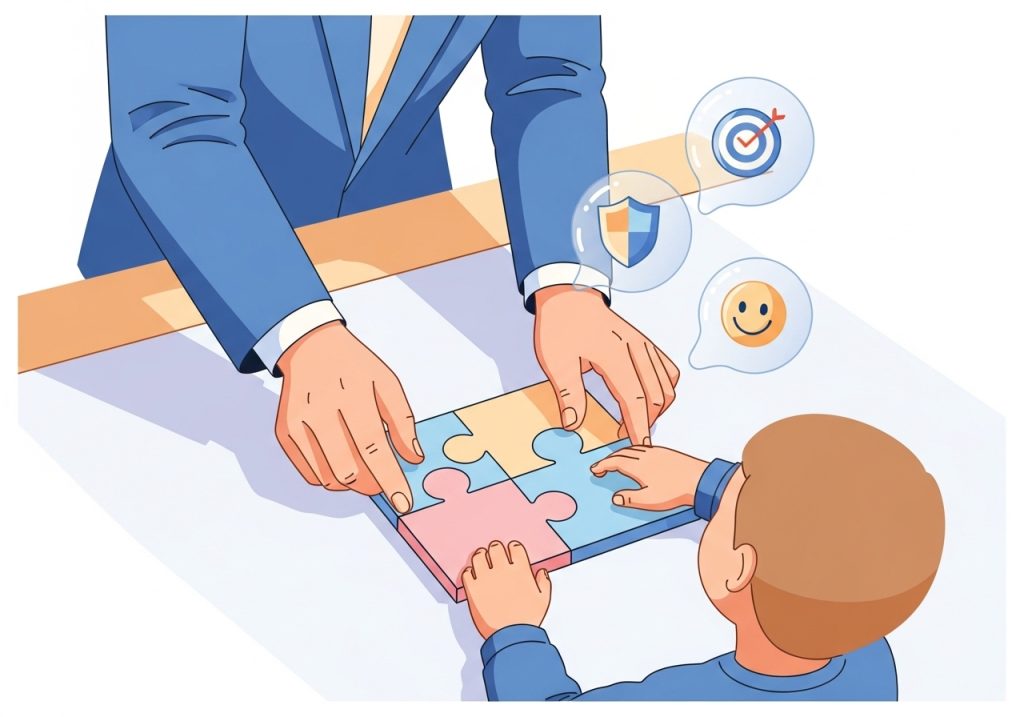
- Child-Led: The child’s interests and motivations are central to the activity. When children are engaged in something they genuinely enjoy, they are more receptive to learning and practicing new skills. The adult follows the child’s lead within the structured activity.
- Goal-Oriented: Every session has a clear, underlying purpose. This could be improving pincer grasp, learning to manage frustration during a game, or practicing communication. This is where setting practical, well-defined goals becomes critical for success.
- Safe Environment: The physical and emotional space must feel secure. This allows the child to experiment, make mistakes, and take developmental risks without a fear of failure or judgment. A supportive adult presence is a key part of this safety.
- Predictable and Structured: While the play itself can be flexible, having a clear beginning, middle, and end helps children feel secure. This structure provides a reliable framework for their exploration and reduces anxiety about what comes next.
Key Benefits Across Developmental Domains
When implemented correctly, therapeutic play supports growth in multiple areas of a child’s development. The benefits extend far beyond the specific skill being targeted in an activity. Research indicates that around 71% of children who participate in play therapy show significant improvements. These improvements appear across several key domains.
- Start with Observation: Notice what the child enjoys. What toys do they gravitate toward? Which activities hold their interest the longest? Use these preferences as your starting point for planning. A child who loves building blocks will be more engaged in a block-building activity than one who prefers art.
- Set One Clear Goal: Do not try to address everything at once. Focus on a single, specific skill, like improving buttoning, waiting for a turn during a game, or holding a crayon correctly. A narrow focus makes the activity more effective and easier to manage.
- Prepare the Environment: Set out the necessary materials before starting the activity to minimize distractions and maintain momentum. Using a low-prep printable activity or worksheet can make this step much easier. A calm and organized space helps the child focus on the task.
- Follow the Child’s Lead: Introduce the materials and the general goal, but allow the child to explore. Gently guide them back to the objective if they get off track, but permit flexibility and creativity. The experience should feel like a collaboration, not a directive.
By integrating purposeful goals into activities children already love, you create powerful opportunities for growth. The key is to be intentional, observant, and patient. This approach turns everyday play into a foundation for building essential life skills. It respects the child’s natural way of learning while gently guiding them toward developmental progress, making it one of the most valuable tools available to therapists, educators, and parents.
Ready to bring more purposeful play into your therapy sessions, classroom, or home? The Inspiring OT offers a wide range of practical, OT-designed printable activities and resources to support skill development. From fine motor worksheets to sensory toolkits, you can find engaging, low-prep materials that make learning fun and effective.
- Physical and Motor Skills: Activities can be designed to target fine motor skills like using scissors or buttoning, gross motor skills such as balance and coordination, and visual-motor integration for tasks like copying block designs.
- Cognitive Development: Play naturally promotes problem-solving, sequencing, and executive functioning. Following steps to build a model, navigating a maze, or completing a puzzle strengthens these critical thinking abilities.
- Social and Emotional Growth: Role-playing and board games provide excellent opportunities to practice turn-taking, sharing, and understanding social cues. It is also a powerful tool for emotional regulation, helping children identify and manage their feelings in a constructive way, which is a core component of frameworks like the Zones of Regulation.
- Sensory Processing: Purposefully designed play, such as using sensory bins filled with different textures or engaging in swinging and balancing activities, helps children better process and respond to sensory input from their environment. For children with sensory challenges, this is a foundational part of SPD occupational therapy.
Practical Examples of Therapeutic Play in Action
Therapeutic play can be adapted to target nearly any skill. The creativity of the therapist or caregiver is the only limit. Here are a few concrete examples of how it works in different contexts to address specific developmental goals.
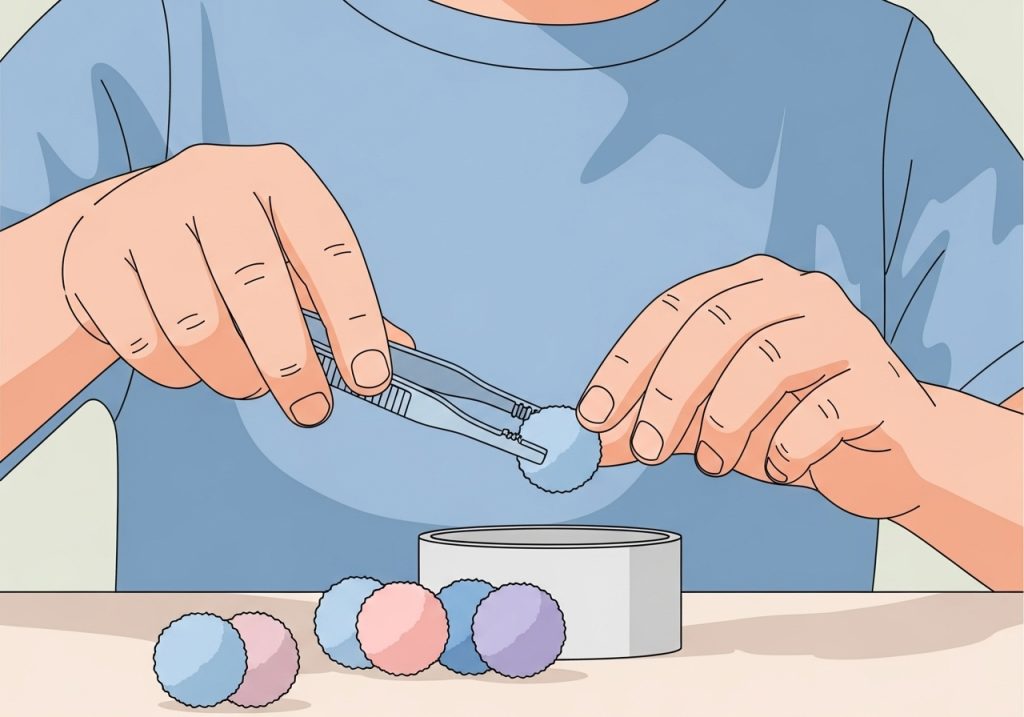
- For Fine Motor Skills: Using therapy putty to find hidden beads encourages hand strengthening and dexterity. Other ideas include working with lacing cards, using tweezers to sort small objects, or completing detailed coloring sheets from a worksheet bundle that requires staying within the lines.
- For Emotional Regulation: Creating “calm down jars” with glitter and water gives children a visual tool for managing big feelings. Using puppets to act out challenging social scenarios allows them to practice responses in a safe, imaginative way. Drawing faces to represent different emotions can also help build emotional literacy.
- For Visual-Motor Skills: Activities that require the eyes and hands to work together are perfect for this domain. Building a block structure from a picture, solving connect-the-dots puzzles, and finishing mazes are all effective and engaging options. These tasks help build the coordination needed for handwriting and other academic skills.
Integrating Therapeutic Play into Your Practice or Home
You can begin incorporating therapeutic play with a few simple, intentional steps. The focus is on adding purpose to activities a child already finds interesting. You do not need expensive equipment or extensive training to start making a difference.
- Start with Observation: Notice what the child enjoys. What toys do they gravitate toward? Which activities hold their interest the longest? Use these preferences as your starting point for planning. A child who loves building blocks will be more engaged in a block-building activity than one who prefers art.
- Set One Clear Goal: Do not try to address everything at once. Focus on a single, specific skill, like improving buttoning, waiting for a turn during a game, or holding a crayon correctly. A narrow focus makes the activity more effective and easier to manage.
- Prepare the Environment: Set out the necessary materials before starting the activity to minimize distractions and maintain momentum. Using a low-prep printable activity or worksheet can make this step much easier. A calm and organized space helps the child focus on the task.
- Follow the Child’s Lead: Introduce the materials and the general goal, but allow the child to explore. Gently guide them back to the objective if they get off track, but permit flexibility and creativity. The experience should feel like a collaboration, not a directive.
By integrating purposeful goals into activities children already love, you create powerful opportunities for growth. The key is to be intentional, observant, and patient. This approach turns everyday play into a foundation for building essential life skills. It respects the child’s natural way of learning while gently guiding them toward developmental progress, making it one of the most valuable tools available to therapists, educators, and parents.
Ready to bring more purposeful play into your therapy sessions, classroom, or home? The Inspiring OT offers a wide range of practical, OT-designed printable activities and resources to support skill development. From fine motor worksheets to sensory toolkits, you can find engaging, low-prep materials that make learning fun and effective.
Leave a Reply