
The Zones of Regulation is a framework that uses four colors to help individuals categorize their feelings and energy levels to develop self-regulation skills. This cognitive behavioral approach provides a simple, visual way for children and adults to understand their internal states and learn strategies to manage them effectively. For occupational therapists, educators, and parents, it offers a common language to support learners in navigating emotional and sensory experiences. By identifying whether they are in the Blue, Green, Yellow, or Red Zone, individuals can select appropriate tools and strategies to move toward a state of optimal learning and well-being.
What Are the Zones of Regulation?
Developed by occupational therapist Leah Kuypers, The Zones of Regulation curriculum is a systematic approach to teaching self-regulation. It categorizes all the different ways we feel and our levels of alertness into four concrete, colored zones. The framework is not designed to label any feeling as “bad” or “good.” Instead, it emphasizes that all zones are expected at different times. The primary goal is to provide a neutral language and visual structure that helps individuals identify their feelings, understand how their behavior impacts others, and learn what tools can help them regulate.
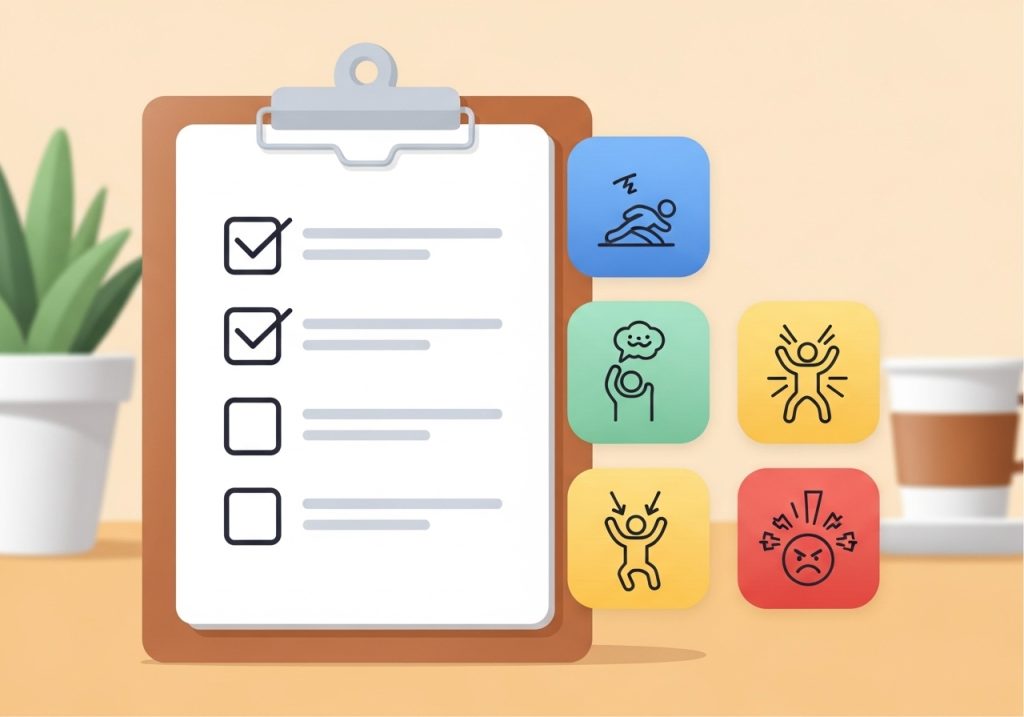
The four zones are:
- The Blue Zone: This represents a low state of alertness or energy. It’s when your body is running slow. Examples include feeling tired, sad, sick, or bored. A student in the Blue Zone might have their head on their desk or seem withdrawn.
- The Green Zone: This is the ideal state for learning and social interaction. It’s characterized by feelings like happy, calm, focused, and content. A person in the Green Zone feels in control and ready to participate.
- The Yellow Zone: This zone represents a heightened state of alertness. A person has more energy but is beginning to lose some control. Feelings in the Yellow Zone include stress, frustration, anxiety, excitement, silliness, or nervousness.
- The Red Zone: This is for extremely heightened states of alertness and intense emotions. Feelings in the Red Zone include anger, rage, explosive behavior, panic, or elation. A person in this zone feels overwhelmed and out of control.
Understanding these categories helps learners build a foundation for emotional intelligence. It transforms abstract feelings into something concrete they can see, name, and manage.
Why This Framework Is Effective for Emotional Learning
The Zones of Regulation framework is widely used in schools and clinics because it effectively translates complex neurological and emotional concepts into an accessible format. It works by giving learners a simple vocabulary and a structured way to think about self-management.
The key benefits include:
- It Creates a Common Language: Using colors provides a non-judgmental way for children, teachers, therapists, and parents to communicate about feelings. Asking “What zone are you in?” is less confrontational than asking “Why are you so upset?” This shared vocabulary fosters connection and support.
- It Builds Self-Awareness: The first step to managing an emotion is recognizing it. The framework prompts learners to check in with their bodies and minds. This improves their awareness of internal body signals, which is a key part of managing sensory processing differences and emotional states.
- It Removes Stigma: By teaching that all zones are okay, the framework normalizes the full spectrum of human emotion. A child learns that feeling angry (Red Zone) or sad (Blue Zone) is not wrong. The focus shifts from punishing behavior to providing tools for regulation.
- It Empowers Learners: The ultimate goal is to help individuals independently use strategies to manage their zone. Once a child can identify they are in the Yellow Zone, they can proactively choose a tool to help them return to Green, promoting a sense of autonomy and control.
How to Introduce the Four Zones to Learners
Introducing the zones of regulation should be a gradual and supportive process. The goal is to make it a natural part of daily conversation, not a disciplinary tool. Start by teaching the concepts when a learner is calm and in the Green Zone.
First, explain the four colors and the feelings associated with each. Use visual aids like posters or flashcards. Relate the zones to characters in books or movies they know. You might say, “Remember when the character got really frustrated? He was in the Yellow Zone.”
Next, help learners connect the zones to their own experiences. You can create sorting activities where they match pictures of facial expressions or descriptions of situations to the correct zone. It is also powerful to model the language yourself. For example, a teacher could say, “My computer just froze, and I’m feeling a bit in the Yellow Zone. I am going to take three deep breaths to help me get back to Green.” This shows that everyone, even adults, uses strategies to manage their feelings.
Over time, you can help the learner identify their own triggers. These are the things that tend to move them into the Yellow or Red zones. Recognizing triggers is an advanced skill that helps with proactive regulation, allowing them to use a tool before they feel overwhelmed.
Practical Tools and Activities for Each Zone
A core part of the Zones of Regulation program is building a personalized “toolbox” of strategies. The right tool depends on the zone and the individual’s needs. The goal is not always to be in the Green Zone, but to match your zone to the demands of the environment.
Tools for the Blue Zone
When in the Blue Zone, the goal is to increase energy and alertness. Strategies might include:
- Taking a short walk or doing some stretches.
- Drinking a cold glass of water.
- Listening to upbeat music.
- Engaging in a simple, preferred activity for a few minutes.
- Getting some fresh air or bright light.
Tools for the Yellow Zone
In the Yellow Zone, the aim is to calm down and regain focus before losing control. Effective tools include:
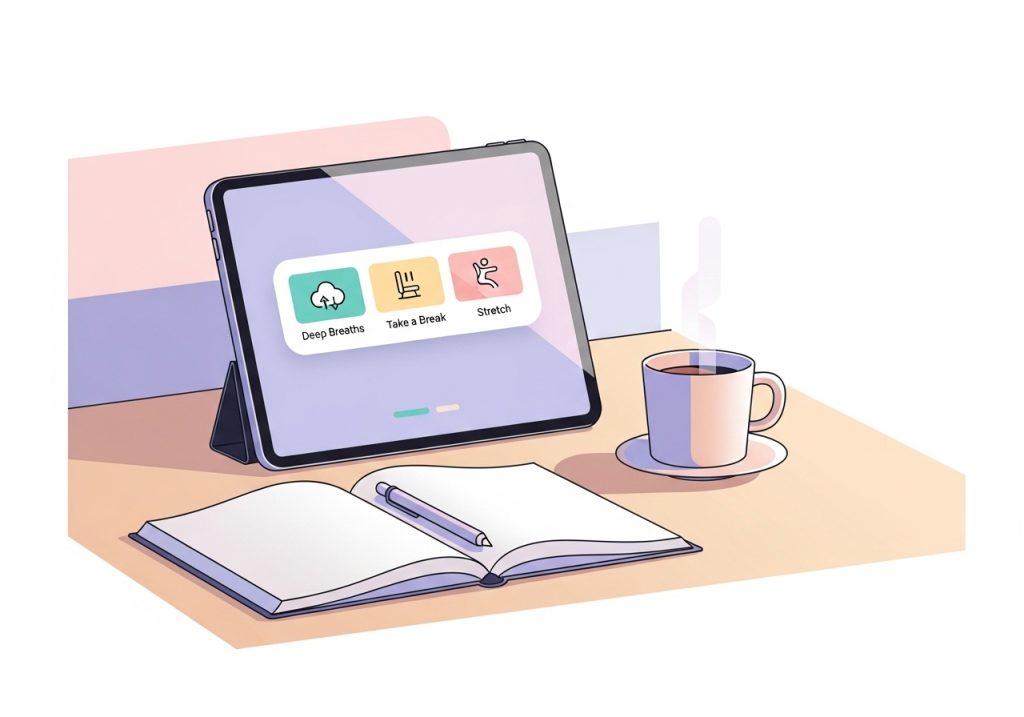
- Deep breathing exercises, like box breathing or belly breaths.
- Using a fidget tool or squeezing a stress ball.
- Taking a break in a quiet, designated space.
- Doing a “heavy work” activity, like pushing against a wall.
- Talking to a trusted adult about what is causing the frustration or excitement.
Tools for the Red Zone
When in the Red Zone, safety is the first priority. The goal is to de-escalate and return to a calmer state. Tools should be practiced when the learner is calm so they are familiar during a crisis.
- Moving to a safe, quiet space away from others.
- Using a weighted blanket or getting a tight hug (if the person finds that calming).
- Listening to very calming, slow-paced music.
- Engaging in repetitive, rhythmic movements.
- Co-regulation, where a calm adult provides support without judgment.
Supporting Self-Regulation Beyond the Classroom
Consistency is key to helping a child internalize these skills. When parents and caregivers use the same language and strategies at home, it reinforces what is being taught in a school or therapy setting. This creates a predictable and supportive environment for emotional growth.
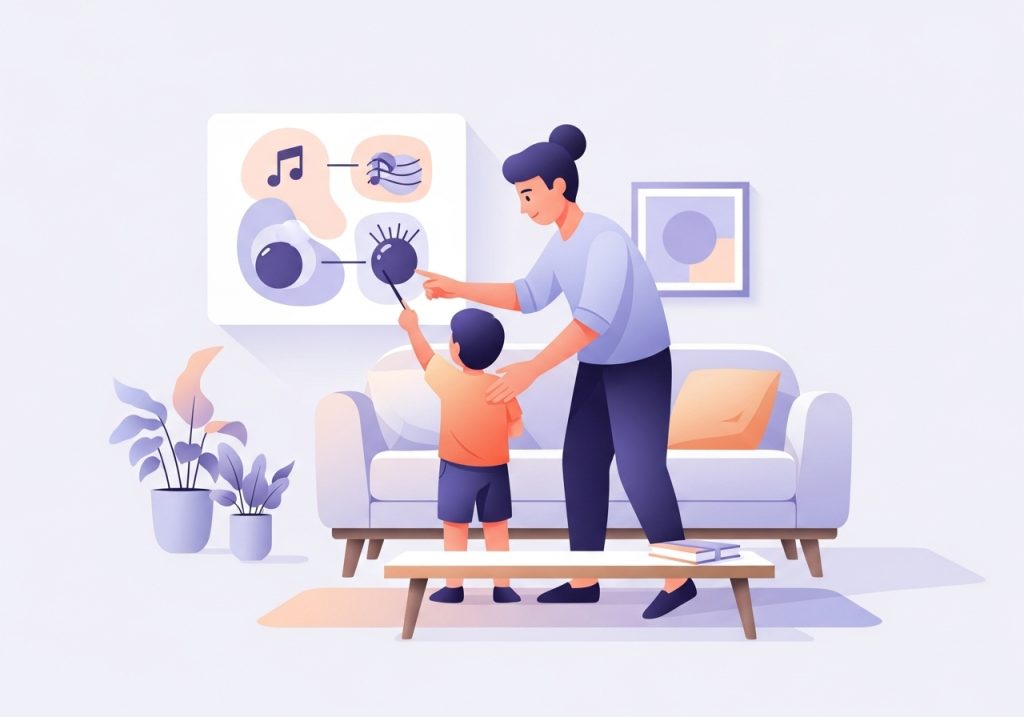
Parents can support the process in several ways:
- Create a “Calm-Down Corner”: Designate a comfortable space in your home with sensory tools like pillows, blankets, fidgets, and calming visuals. It should be a place for regulation, not punishment.
- Integrate Zones Talk into Daily Routines: Discuss the zones during dinner or bedtime. Ask, “What zone were you in when you played with your friends today?” This makes it a normal part of conversation.
- Validate All Feelings: When a child says they are in the Red Zone, validate their feeling before suggesting a tool. You might say, “It sounds like you are feeling really angry right now. That is okay. What tool could help your body feel calm again?”
- Work Together to Build a Toolbox: Help your child identify what strategies work best for them and create a visual chart of their preferred tools. This collaborative process helps everyone work toward practical goals for self-regulation in different environments.
The Zones of Regulation framework provides an invaluable structure for teaching some of life’s most important skills. It moves the conversation about emotions away from behavior and discipline and toward awareness and problem-solving. By giving learners a simple visual language and a toolbox of strategies, we empower them to understand and navigate their inner world with confidence.
Ready to put these strategies into practice? Explore our collection of OT-created resources designed to make skill-building engaging and effective. Find printable activities, sensory tools, and practical guides to support your learners in the classroom, clinic, or at home. Visit The Inspiring OT shop to find the tools you need to foster growth.
Leave a Reply