
Therapeutic play is a structured method where a child’s natural engagement with play is guided by an adult to achieve specific developmental, emotional, or social goals. While it might look like simple fun, this approach is a deliberate process designed to build skills in a way that feels engaging and natural to a child. For occupational therapists, teachers, and parents, understanding how to facilitate therapeutic play can transform everyday activities into powerful opportunities for growth.
What Exactly Is Therapeutic Play?
At its core, therapeutic play uses play-based activities to help children process experiences, develop new skills, and overcome challenges. Unlike free play, which is entirely child-directed and spontaneous, therapeutic play is intentional. An adult, such as a therapist or educator, gently structures the activity with a clear objective in mind. According to the Association for Play Therapy, this involves the systematic use of a theoretical model to build a trusting relationship and help a child grow.
Think of it like this: if free play is a child exploring a sandbox however they wish, therapeutic play is an adult suggesting they find all the buried red toys to work on color identification or use a small shovel to practice their pincer grasp. The child is still playing and having fun, but the activity is carefully designed to target a specific skill. The adult facilitates the experience, offering support, asking questions, and adapting the activity to keep the child engaged and moving toward the developmental goal.
The Core Benefits of Using Therapeutic Play
Integrating therapeutic play into a child’s routine offers significant benefits across multiple domains of development. The process is effective because it meets children where they are, using their primary language: play. This makes skill-building feel less like work and more like an enjoyable discovery.
- Motor Skill Development: Activities like stacking blocks, stringing beads, or navigating an obstacle course directly support fine and gross motor coordination, hand strength, and balance.
- Sensory Processing: Play provides a controlled way for children to engage with different textures, sounds, and movements. Using sensory bins, swings, or therapy putty can help a child learn to process and respond to sensory information more effectively, which is a key part of SPD occupational therapy strategies.
- Emotional Regulation: Through role-playing with puppets or drawing, children can safely explore and express complex feelings like anger, sadness, or fear. This practice helps them develop a vocabulary for their emotions and learn coping strategies, aligning with frameworks like the Zones of Regulation.
- Social Skills: Games that require turn-taking, sharing, and cooperation teach valuable social rules in a low-pressure environment. Pretend play scenarios, such as playing “restaurant,” allow children to practice communication and perspective-taking.
- Cognitive Abilities: Many play activities naturally encourage problem-solving, planning, and flexible thinking. Building a tower that won’t fall, completing a puzzle, or following a multi-step craft instruction all strengthen executive functioning skills. Research published by the National Institutes of Health confirms that play therapy is a valuable intervention for addressing a wide range of issues in children, highlighting its broad therapeutic value.
Key Elements of a Therapeutic Play Session
To be effective, therapeutic play requires more than just fun toys. It involves a thoughtful structure and a specific mindset from the facilitating adult. Several key elements come together to create a successful session that fosters growth and builds confidence.
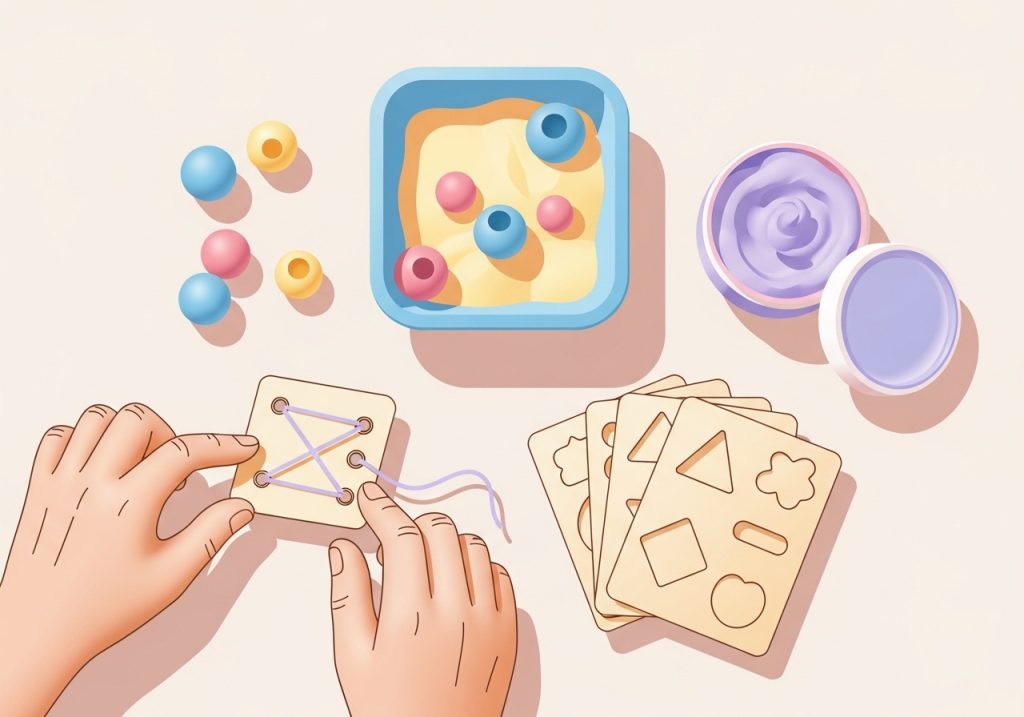
- Clear Objectives: Every session should start with a specific goal. Are you working on finger dexterity, emotional expression, or following directions? Defining the purpose helps you choose the right activity and guide the child effectively. Having practical goals examples can help shape these objectives for therapy, school, or home settings.
- A Safe and Supportive Environment: The child must feel physically and emotionally safe to explore and make mistakes. This means creating a predictable space, offering positive reinforcement, and validating their feelings and efforts without judgment.
- Child-Centered Approach: While the adult sets the goal, the child’s interests should lead the way. If the goal is fine motor practice and the child loves dinosaurs, incorporate small dinosaur figures into the therapy putty activity. This increases motivation and engagement.
- Intentional Material Selection: The toys and materials are not random. They are chosen specifically to support the therapeutic goal. A puzzle with large knobs is selected for a child developing grasping skills, while a complex board game might be chosen for an older child working on strategic thinking.
- The Adult as a Facilitator: The adult’s role is not to direct but to guide. This involves observing the child, asking open-ended questions (“What do you think will happen next?”), and providing just enough support to help them succeed without taking over.
Practical Examples of Therapeutic Play in Action
The principles of therapeutic play can be applied to countless activities. The key is to match the activity to the developmental goal. Here are a few concrete examples of how this looks in practice across different skill areas.
For Fine Motor Development
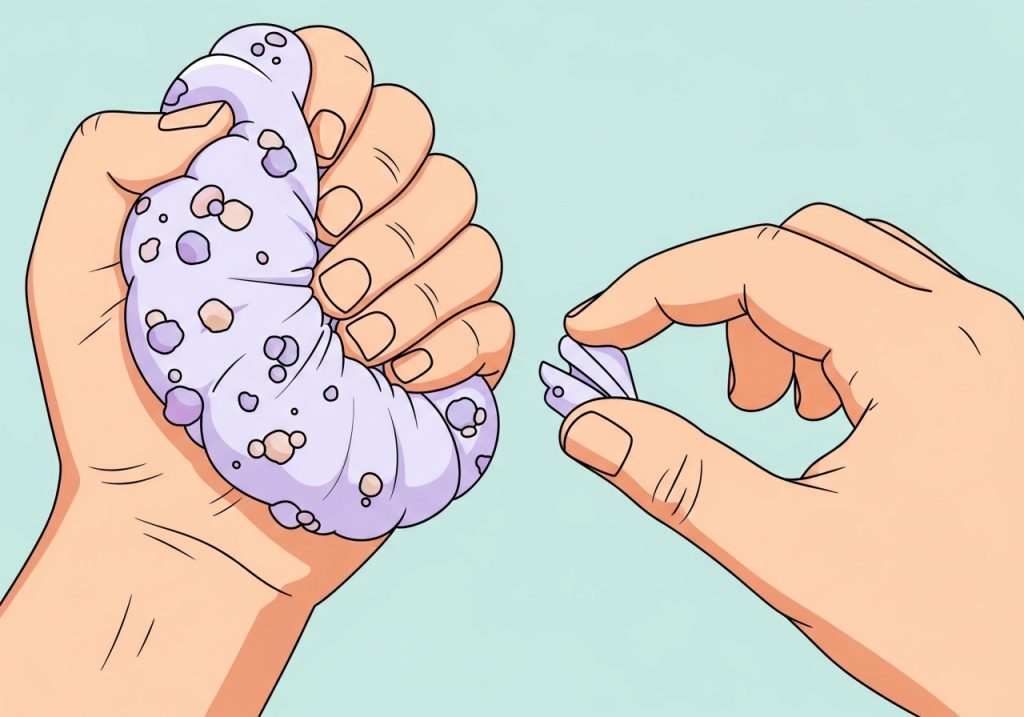
- Activity: Hiding small beads or coins in therapy putty.
- Goal: To strengthen hand and finger muscles, improve pincer grasp, and enhance tactile discrimination.
- How it works: The child must pinch, pull, and squeeze the putty to find the hidden objects, providing a fun and challenging workout for the small muscles in their hands.
For Emotional Expression
- Activity: Using puppets to act out a challenging social scenario, like a disagreement on the playground.
- Goal: To help the child identify and express feelings and practice problem-solving in a safe, third-person context.
- How it works: By projecting their feelings onto the puppets, the child can explore the situation without feeling directly vulnerable. The adult can guide the narrative toward a positive resolution.
For Sensory Exploration
- Activity: A sensory bin filled with dried beans, a scoop, and various containers.
- Goal: To provide tactile input and practice motor skills like scooping and pouring in a contained, calming activity.
- How it works: The child can run their hands through the beans, listen to the sound they make, and focus on the repetitive action of filling and dumping containers, which can be very regulating for the nervous system.
For Social Skills and Turn-Taking
- Activity: Playing a simple board game like Chutes and Ladders or Candyland.
- Goal: To practice waiting for one’s turn, following rules, and managing feelings of winning and losing.
- How it works: The game provides a clear, predictable structure for social interaction. The adult can model gracious winning and losing and praise the child for waiting patiently for their turn.
Therapeutic play is a dynamic and adaptable tool. By understanding its core principles, you can look at everyday objects and activities with a new perspective. A simple game of catch becomes a chance to work on motor planning, and drawing with chalk on the sidewalk transforms into an opportunity to practice letter formation. The true power of this approach lies in its ability to embed skill-building into the joyful, natural context of a child’s world.
Bring Purposeful Play to Your Classroom, Clinic, or Home
Ready to put these ideas into action? Finding the right resources can make all the difference. The Inspiring OT shop on Teachers Pay Teachers offers a wide range of practical, low-prep printable activities designed by an experienced occupational therapist. Explore engaging tools to support fine motor, sensory, handwriting, and life skills development today.
Leave a Reply