
Social skills training is a structured approach that teaches individuals how to perceive social cues, engage in positive interactions, and navigate social situations effectively. For therapists, educators, and parents, understanding this process is key to helping learners develop confidence and build meaningful relationships. This type of training breaks down complex social behaviors into manageable steps, making them easier to learn and practice.
What Is Social Skills Training?
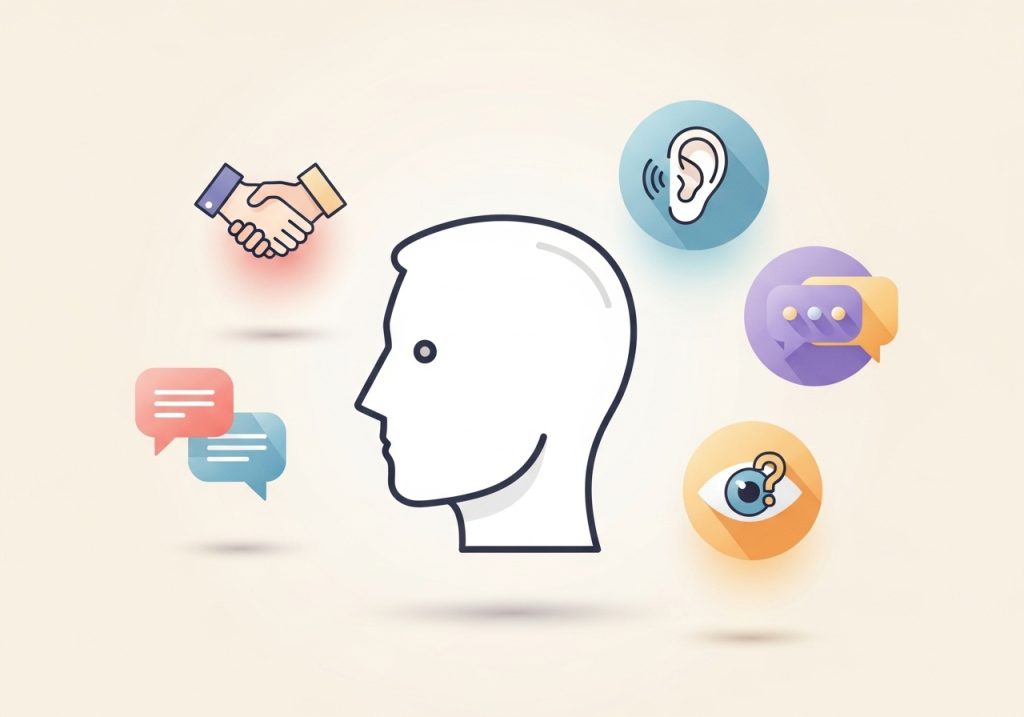
Social skills training is a form of instruction focused on improving interpersonal skills. It moves beyond teaching simple manners like saying “please” and “thank you.” The instruction focuses on the unwritten rules of social interaction that many people take for granted. This can include understanding body language, maintaining a conversation, resolving conflicts, and showing empathy.
The primary goal is to equip learners with the tools they need to interact successfully with peers, family members, and community members. By making social expectations clear and providing opportunities for practice, we can help reduce anxiety and improve a person’s ability to connect with others. Key areas of focus often include verbal and non-verbal communication, problem-solving, and emotional regulation.
Core Components of Effective Social Skills Training
A successful approach to social skills training usually incorporates several key methods. These components work together to build a strong foundation for social competence. By using a combination of techniques, you can create a supportive learning environment that addresses different learning styles.
Instruction
This is the first step, where a specific skill is explicitly taught. The facilitator breaks down the skill into small, clear steps. For example, when teaching how to join a conversation, you might break it down into: watch the group, find a pause, and then make a relevant comment.
Modeling
After explaining the skill, the next step is to demonstrate it. The therapist, teacher, or a peer can model the correct way to perform the social skill. Seeing the skill in action provides a concrete example that is easier for learners to understand and imitate than a verbal explanation alone.
Role-Playing
Practice is essential for mastering any new skill. Role-playing provides a safe, controlled setting for learners to try out the social behaviors they have learned. This allows them to practice without the real-world pressure of getting it wrong, building confidence for actual social situations.
Feedback and Reinforcement
Following practice, learners receive constructive feedback on their performance. This feedback should be specific and positive, highlighting what they did well and offering gentle suggestions for improvement. Positive reinforcement, like praise or encouragement, helps motivate the learner to continue practicing.
Who Benefits from Social Skills Interventions?
While often associated with specific diagnoses like Autism Spectrum Disorder (ASD) or Attention-Deficit/Hyperactivity Disorder (ADHD), social skills support can benefit a wide range of individuals. In fact, a targeted program of social skills training for autism can be particularly helpful for building confidence. However, any learner who struggles with social interactions can find value in this type of structured guidance.
This includes children who are shy or anxious in social settings, those who have difficulty reading non-verbal cues, or individuals who have had limited opportunities for social interaction. By providing clear instruction and practice, we can help these learners feel more prepared and less overwhelmed in social environments like the classroom, playground, or family gatherings.
Practical Strategies for Home, School, and Therapy
Integrating social skills practice into daily routines is an effective way to reinforce learning. The key is to make it consistent and engaging. Here are some practical strategies that can be adapted for different settings:
- Use Social Stories: Create short stories that describe a social situation and outline appropriate responses. This helps learners understand expectations before they encounter a situation.
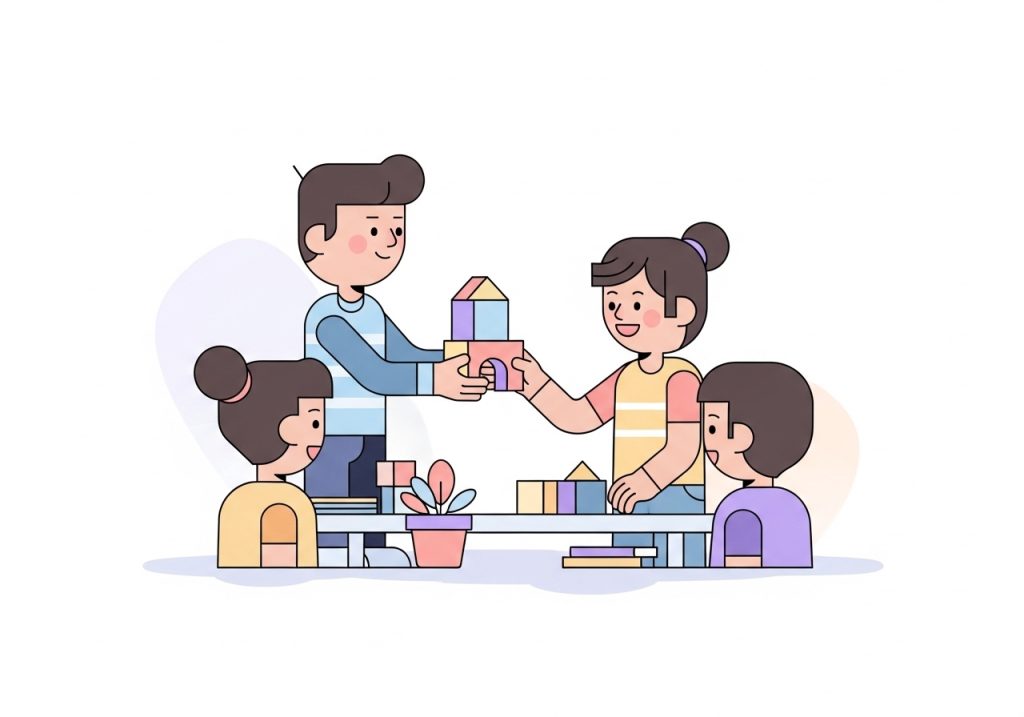
- Play Cooperative Games: Board games, team sports, and group building activities require communication, turn-taking, and compromise. These activities are a form of therapeutic play that provides natural opportunities to practice social skills in a fun context.
- Practice with Scripts and Prompts: For learners who need more structure, using conversation starters or simple scripts can reduce the anxiety of initiating interactions. Printable worksheets and activity cards can offer helpful prompts.
- Incorporate Video Modeling: Watching short videos of positive social interactions can be a powerful teaching tool. Learners can observe and then imitate the behaviors shown in the videos.
- Set Up Structured Playdates: For younger children, organizing a short, structured playdate with one or two peers can be a great way to practice skills in a supportive environment. Start with a clear activity to provide focus.
Measuring Progress in Social Skill Development
Tracking progress in social skills is often more about observation than standardized testing. Progress is gradual and looks different for every individual. One of the most effective ways to measure growth is through direct observation in natural settings. Note how the learner initiates conversations, responds to peers, or handles disagreements.
Using simple checklists based on the specific skills being taught can also be helpful. For example, you might track how often a child uses a greeting or asks a question during a group activity. It is important to remember that social learning is just one part of a child’s growth, and these skills are connected to many other broader developmental skills.
The ultimate goal is not to force a particular social style but to give learners the confidence and competence to build connections in a way that feels authentic to them. By celebrating small victories and focusing on one or two skills at a time, you can provide targeted support that leads to lasting social success.
Ready to support skill development with engaging, low-prep resources? The Inspiring OT offers a wide range of printable activities, worksheets, and guides created by a licensed occupational therapist. Explore our collection to find practical tools that make learning accessible for every student, client, or child. Visit The Inspiring OT shop today to find the perfect resources for your needs.
Leave a Reply