
Sensory input is fundamental to how children learn, grow, and interact with their world. For occupational therapists, teachers, and parents, understanding how to provide the right kind of input can make a significant difference in a child’s ability to focus, regulate their emotions, and develop new skills. Integrating purposeful sensory activities into daily routines does not require expensive equipment or complicated setups. Instead, the most effective strategies are often simple, accessible, and easily adapted to fit a classroom, clinic, or home environment. This guide offers seven practical ideas to help you support sensory processing and promote successful development.
Start with a Simple Tactile Bin
A tactile bin is one of the most versatile tools for sensory exploration. Fill a small container with a dry base like rice, beans, or sand and add small toys. This activity encourages hands-on exploration, texture discrimination, and fine motor development. The goal is to provide a contained space where a child can safely touch, pour, scoop, and manipulate different materials. This experience helps build tolerance for various textures and refines the precise hand movements needed for tasks like writing and buttoning.
To get started, choose a base material. Uncooked rice, dried pasta, split peas, or even shredded paper work well. Then, add items for the child to find and handle, such as small animal figurines, alphabet blocks, or colorful pom-poms. You can also include tools like scoops, funnels, and tongs to encourage different types of motor engagement. For a calming effect, try using a smooth base like cornmeal and gentle, rounded objects. For a more alerting experience, use a mix of textures like bumpy pasta shapes and crinkly foil. Regularly changing the theme of the bin, such as a “beach” theme with sand and shells or a “garden” theme with black beans and toy bugs, keeps the activity engaging over time.
Incorporate Heavy Work for Proprioceptive Input
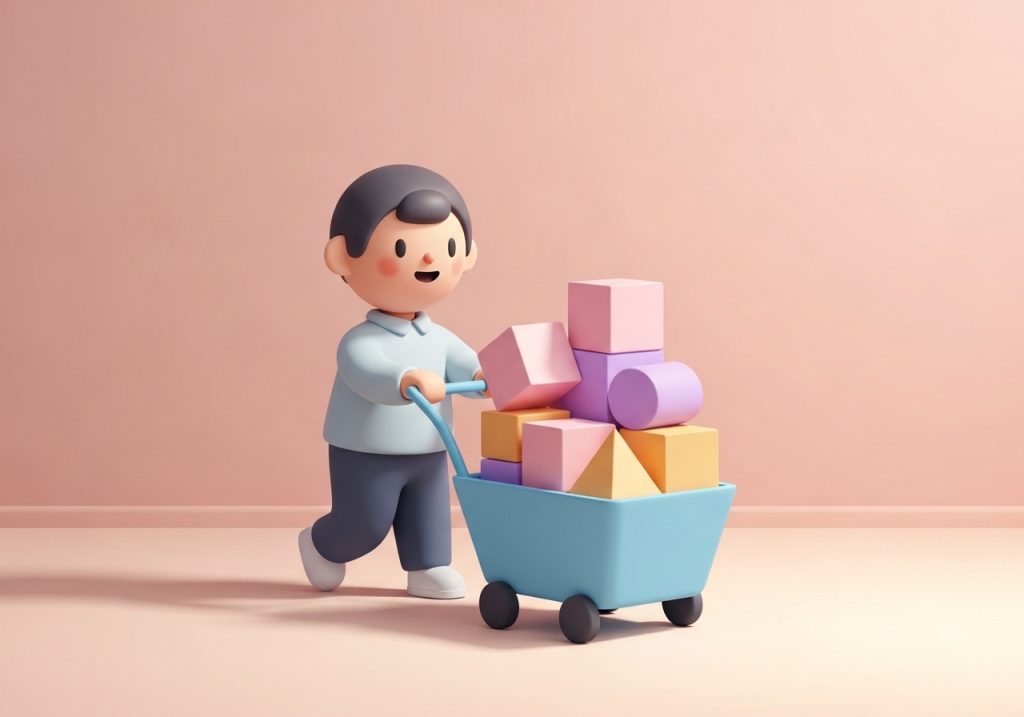
Proprioceptive input is the sensation we get from our muscles and joints. It helps us understand where our body is in space, how to grade movement, and how to apply the right amount of force. Heavy work activities, which involve pushing, pulling, or carrying objects, provide this grounding input. These actions can improve body awareness, focus, and self-regulation. For children who seem to seek out intense physical contact or have trouble sitting still, heavy work can be particularly organizing. When planned proactively, these tasks can be integrated into a larger framework, sometimes as part of a behavior intervention plan to support sensory needs.
You can easily build these tasks into daily routines:
- At School: Ask the child to help stack chairs, carry books to the library, push a cart of supplies, or wash the whiteboard.
- At Home: Have them help carry groceries, push a laundry basket, vacuum the floor, or help with gardening tasks like digging or carrying a watering can.
- In the Clinic: Activities like pushing a weighted ball, crawling through a fabric tunnel, or pulling a therapy band provide structured proprioceptive input.
The key is that the resistance is child-led and integrated into a functional activity, not a forced exercise.
Use Rhythmic Movement for Vestibular Input
The vestibular system, located in the inner ear, governs our sense of balance, movement, and spatial orientation. Gentle, predictable, and rhythmic movements can have a powerful organizing effect on the nervous system, helping children feel calm and centered. This type of input is foundational for developing balance, coordination, postural control, and attention. Children who have difficulty with vestibular processing might be overly cautious with movement or, conversely, constantly seek it out by spinning and running.
Simple rhythmic activities can be introduced throughout the day. Swinging on a playground swing with a slow, linear motion is a classic example. Other options include gently rocking in a rocking chair, sitting on a therapy ball and bouncing slowly, or doing simple yoga poses that involve gentle swaying. Even an activity as basic as marching in place or doing slow, controlled jumping jacks can provide beneficial input. It is important to monitor the child’s response, as some children are very sensitive to movement. Start slowly and watch for signs of overstimulation, such as dizziness, flushing, or changes in breathing.
Build Focus with Auditory Discrimination Games
The auditory system processes sound, but it is also responsible for filtering out unimportant background noise so we can focus on what matters. Some children struggle with this filtering process, becoming easily distracted or overwhelmed in noisy environments. Auditory discrimination activities help them practice tuning in to specific sounds and improving their listening skills. These games strengthen the ability to attend to important auditory information, a skill critical for following directions in a classroom and participating in conversations.
These games require no special equipment and can be played anywhere:
- Sound “I Spy”: Sit in a room or outdoors and say, “I hear with my little ear… something that is buzzing.” The child then tries to identify the sound (a bee, a refrigerator).
- Listening Walks: Take a walk and pause every few minutes to listen. Ask the child to identify everything they can hear, from far-away traffic to nearby birdsong.
- Mystery Sound Box: Place a few items in a box (like a key, a coin, and a cotton ball). Shake the box and have the child guess what is inside based on the sound it makes.
Practice Visual Scanning and Tracking
Efficient visual skills are essential for academic tasks like reading, writing, and copying from a board. Visual scanning is the ability to move the eyes across a page or space to find information, while visual tracking is the ability to follow a moving object or a line of text smoothly. When these skills are underdeveloped, children may lose their place while reading, skip words, or have trouble with letter spacing in their handwriting.
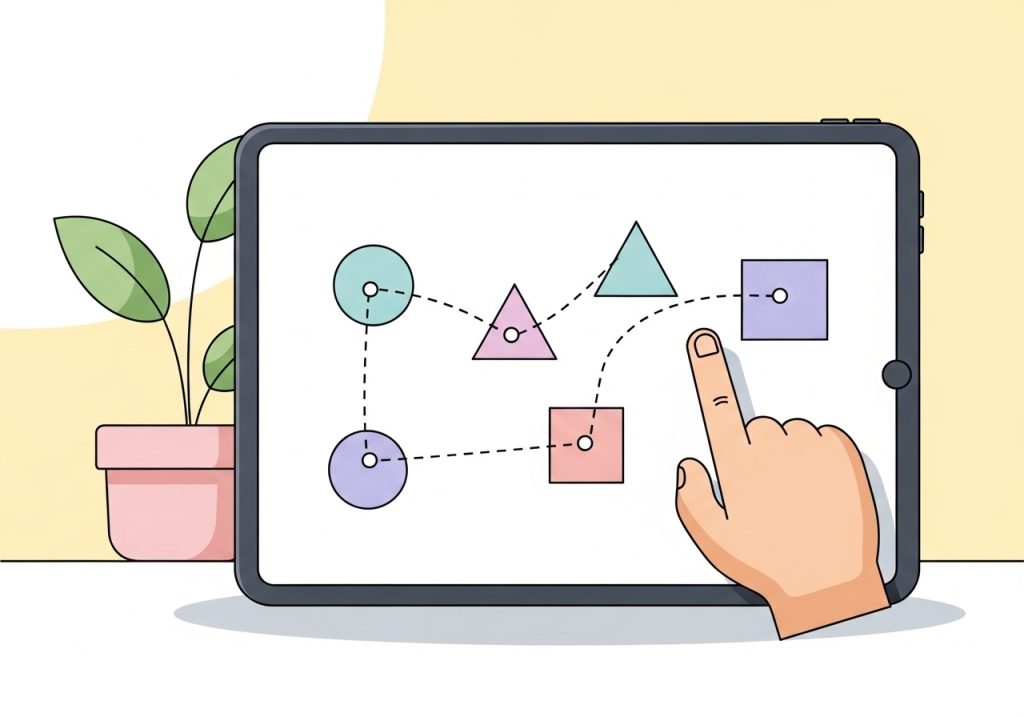
You can strengthen these skills with simple games. Using a flashlight in a dimly lit room and having a child follow the beam with their eyes is a great way to practice tracking. Playing catch with a soft ball or balloon also encourages the eyes to work together to follow a moving target. For visual scanning, activities like “I Spy” books, word searches, and matching games require the child to systematically search a busy visual field for specific information. These enjoyable activities build the foundational eye muscle control necessary for success in the classroom.
Design Purposeful Oral Sensory Activities
The mouth is a powerful center for sensory input. Chewing, crunching, and sucking provide intense proprioceptive feedback to the jaw that can be very calming and organizing for the nervous system. For children who frequently chew on non-food items like shirt collars or pencils, offering appropriate oral sensory alternatives can help meet this need in a safe and acceptable way. These activities can also support the development of oral motor skills needed for clear speech and effective eating.
Incorporate oral sensory input through food and non-food options. Crunchy foods like carrot sticks, apple slices, and pretzels provide strong feedback. Chewy foods like dried fruit, bagels, or fruit leather require sustained jaw muscle work. Drinking thicker liquids like a smoothie through a straw is another activity that engages oral muscles. For non-food options, consider silicone chewelry (necklaces or bracelets) or pencil toppers designed specifically for this purpose. Blowing activities, such as blowing bubbles, a pinwheel, or cotton balls across a table, are also excellent for building breath control and oral motor strength.
Combine Scent and Touch with Calming Dough
The olfactory system, our sense of smell, is strongly linked to the parts of the brain that process emotion and memory. Certain scents can have a noticeable effect on our alertness and mood. Combining a calming scent with a tactile activity like playing with dough creates a multi-sensory experience that can be highly regulating. Kneading, squishing, and shaping the dough provides tactile and proprioceptive input to the hands, while the scent offers a regulating olfactory experience.
Creating scented dough is simple. You can use a standard homemade playdough recipe and add a few drops of a calming essential oil, such as lavender, chamomile, or vanilla. Ensure you are using oils that are safe for skin contact and appropriate for children. Present the scented dough during quiet time or transitions when a child may need extra support to feel calm and organized. The act of working the dough with their hands can help release physical tension, and the pleasant aroma can promote a sense of well-being, making it a perfect tool for winding down.
By incorporating these simple and effective sensory activities into a child’s day, you provide valuable input that supports their ability to learn, play, and thrive. These strategies are not just isolated tasks; they are tools that help build a foundation for higher-level skills. When consistently applied, they can improve a child’s focus, coordination, and emotional regulation, setting them up for greater success across all environments. For more structured ideas, exploring how these activities fit into practical sensory diet examples can provide a helpful framework for daily planning.
Ready to put these ideas into action? Finding practical, ready-to-use resources can make all the difference. The Inspiring OT shop offers a wide range of printable activities, guides, and worksheets designed by an experienced occupational therapist to support skill development. Explore our collection of low-prep, evidence-informed tools to make learning engaging and effective for every child you support. Visit The Inspiring OT shop today to find your next great resource.
Leave a Reply