
Helping learners develop strong organizational skills is a critical goal for therapists, teachers, and parents. These skills are essential for academic success and everyday independence. When students struggle to manage their materials, track assignments, or plan their time, it can be a significant barrier to learning. Finding effective organizational and compensatory skills (OCS) ideas can make a real difference. The right strategies provide the structure and support learners need to build habits, reduce anxiety, and gain confidence in their abilities.
This guide offers seven practical OCS ideas that can be adapted for the classroom, therapy session, or home environment. Each strategy is designed to be straightforward to implement and focuses on teaching the underlying processes of organization in a clear, visual, and repeatable way.
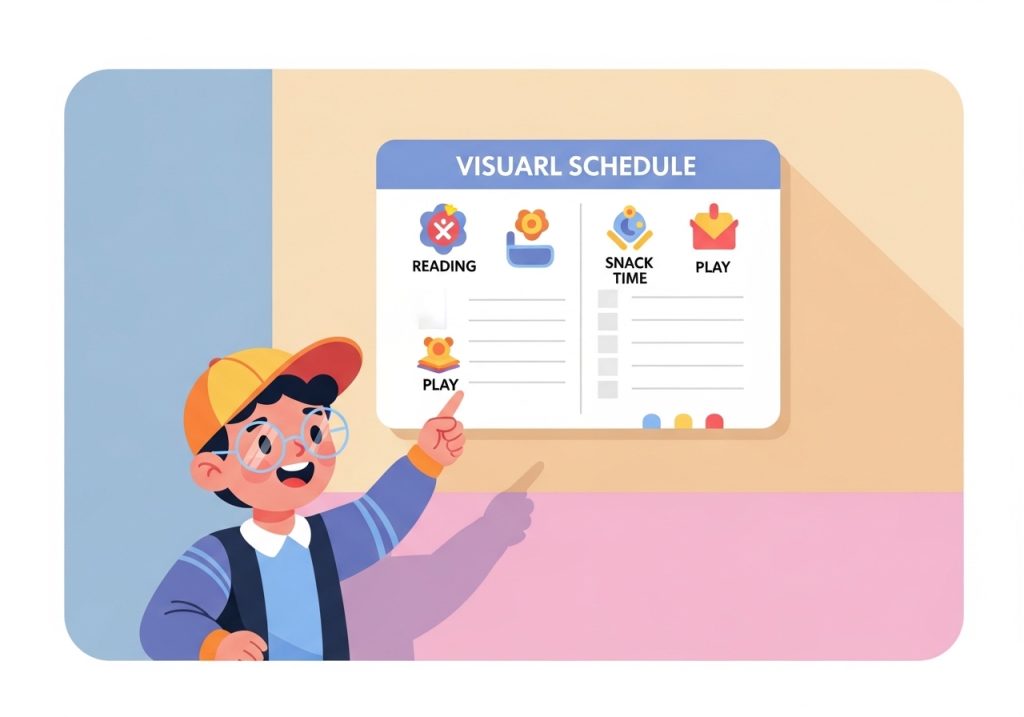
Establish a Visual Schedule Station
Create a centralized place for a daily or weekly visual schedule using pictures, icons, or text. This provides a predictable routine, reduces anxiety, and helps learners anticipate transitions and tasks. A visual schedule acts as an external executive function tool, offloading the mental work of remembering what comes next. This frees up cognitive resources for learning and problem-solving. For many students, especially those who are visual learners or benefit from clear structure, creating a helpful visual schedule can be a foundational step in building self-regulation and time management skills.
To implement this, you can use a whiteboard, a felt board with movable pieces, or even a simple chart on the wall. According to Teach Starter, a trusted resource for educators, a visual schedule helps students plan ahead and understand the flow of their day. The key is consistency. Refer to the schedule during transitions and encourage the student to check it themselves to build independence.
Use Color-Coded Systems for School Subjects
Assign a specific color to each school subject for notebooks, folders, and binders. This simple visual cue helps students quickly identify and gather materials, reducing lost papers and time spent searching. Color-coding is an effective organizational strategy because it simplifies the decision-making process. Instead of having to read every label, a student can just look for the “blue” math folder or the “green” science notebook. This reduces cognitive load and makes tidying up and preparing for class much faster.
This system can be extended beyond physical materials. Encourage students to create color-coded digital folders on their computers or tablets for different subjects. As noted by Edutopia, an authority in education strategies, color-coded folders help students organize what they need for each class. This consistent visual language between physical and digital spaces reinforces the organizational system and improves its effectiveness.
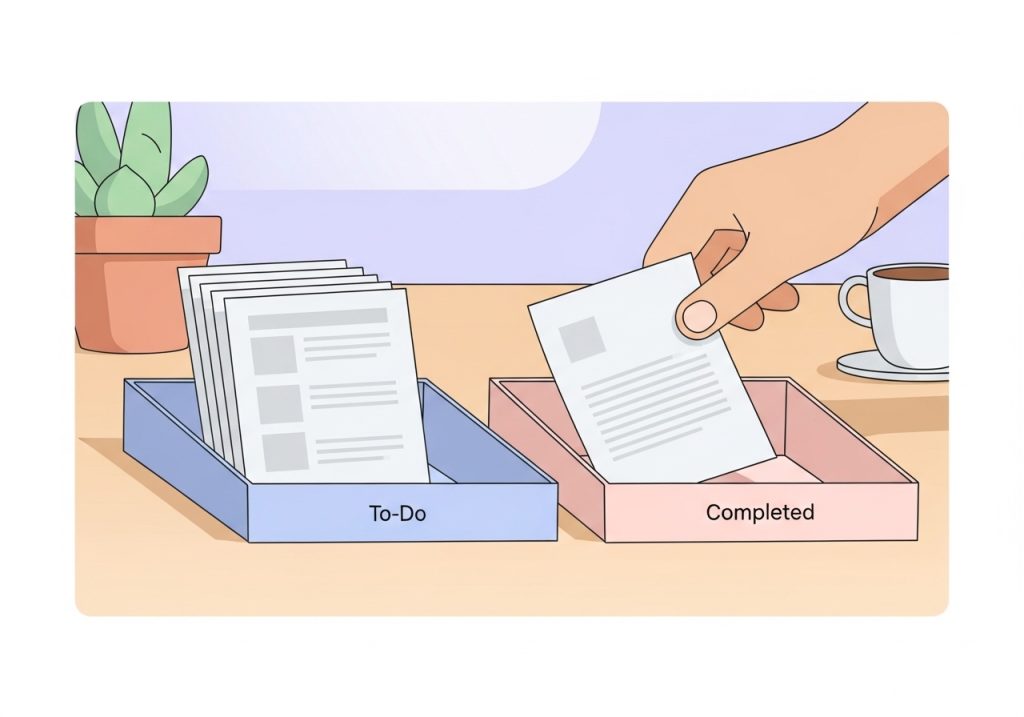
Create ‘To-Do’ and ‘Completed’ Bins
Set up two labeled bins or trays for assignments. This physical system gives learners a clear, concrete way to manage their workflow and see their progress, which can be very motivating. For many children, the concept of “done” can be abstract. Physically moving a worksheet from the “To-Do” pile to the “Completed” pile makes their accomplishment tangible. It provides immediate positive feedback and a visual representation of how much work they have finished.
This strategy is highly adaptable. You can use simple paper trays, plastic bins, or even designated spots on a desk. The key is the clear labeling and the consistent process of moving items from one location to the other. This method helps students create their own systems for organizing and processing their work, which is a vital skill for learners of all ages. It breaks down the overwhelming pile of “all the work” into two manageable categories: what needs to be done and what is already finished.
Implement a Daily ‘Backpack Checkpoint’
Designate a specific time and place each day for the student to organize their backpack. Use a simple checklist to ensure they have all necessary homework, books, and signed papers for the next day. A backpack can quickly become a black hole of crumpled papers and forgotten assignments. By establishing a routine “checkpoint,” you are teaching the child a repeatable habit for maintenance and planning.
This should happen at the same time every day, such as right after school or before bed. Create a simple, visual checklist with items like:
- Homework folder
- Lunchbox
- Water bottle
- Notes for teacher/parent
- Library books
Have the student go through the checklist item by item, physically touching each object as they confirm it is in the backpack. This proactive routine prevents morning scrambles and teaches responsibility for one’s own materials.
Break Down Tasks with Sequential Storyboards
For multi-step routines like getting ready for school or completing a long-term project, use a storyboard with simple pictures or steps. This visual breakdown makes complex tasks feel more manageable and teaches planning skills. Many students feel overwhelmed when faced with a large project or a routine with many parts. A storyboard breaks the sequence into small, achievable chunks.
For a morning routine, the storyboard might have simple images for “Get Dressed,” “Eat Breakfast,” “Brush Teeth,” and “Pack Backpack.” For a book report, the steps could be “Choose a Book,” “Read 3 Chapters,” “Write an Outline,” and “Draft First Paragraph.” This technique, often called task analysis, is a cornerstone of occupational therapy. It isolates each step, allowing the learner to focus on one thing at a time and build momentum as they progress through the sequence.
Design a Sensory-Friendly and Organized Workspace
Ensure a student’s desk or work area is free of clutter and has a designated spot for every supply. An organized physical environment can reduce visual distractions and sensory overload, improving focus. A chaotic desk can be mentally draining and make it difficult to concentrate on the task at hand. Creating an organized workspace is not just about tidiness; it is about creating a functional, calming environment for learning.
Use simple tools like pencil holders, drawer dividers, and labeled bins to give every item a “home.” This makes it easy to find what is needed and, just as importantly, easy to put things away. A well-organized workspace also supports the development of good work habits and can improve fine motor skills by ensuring tools are accessible and presented in an orderly way. SchoolPlanner.com emphasizes the importance of scheduling time to declutter and organize a study space as a key habit for student success.
Practice with Sorting and Categorization OCS Ideas
Turn organization into a game by having children sort everyday objects like toys, utensils, or craft supplies into labeled containers. This builds the foundational cognitive skill of categorization necessary for all organizational tasks. At its core, organization is about sorting items into logical groups. Before a student can organize a binder, they need to understand the concept of categorizing by subject. These skills can be developed through simple, hands-on activities.
Provide opportunities for sorting in daily life. This could involve sorting silverware into a drawer organizer, separating LEGO bricks by color, or grouping animal toys by habitat. These activities are not just chores; they are valuable learning experiences. By engaging in these concrete tasks, children are actively building foundational pre occupational skills that will apply to more abstract organizational challenges, like managing digital files or planning a research paper.
Implementing these OCS ideas can empower students by teaching them the processes behind effective organization. The goal is to move beyond simply telling a child to “be more organized” and instead provide them with concrete tools and repeatable routines. By starting with simple, visual, and consistent strategies, you can help learners build the confidence and competence to manage their belongings, time, and tasks successfully.
Ready to put these ideas into action? Finding the right tools can make all the difference. The Inspiring OT offers a collection of practical, ready-to-use printable resources designed by an experienced occupational therapist to support skill development. Explore our shop for engaging worksheets, visual aids, and activities that make building organizational skills easier for everyone. Visit The Inspiring OT store on Teachers Pay Teachers to find your next great resource.
Leave a Reply