
Sensory play is a vital component of early childhood development. For therapists, educators, and parents, understanding how to structure this type of play is key to supporting a child’s growth. Effective sensory play for preschoolers goes beyond simply keeping them busy; it is a powerful method for building foundational skills. These activities help children process information from their environment, which in turn supports cognitive growth, language development, motor skills, and problem-solving abilities. In fact, sensory exploration helps to build critical nerve connections in the brain that enable more complex learning later on.
As an occupational therapist, I have seen firsthand how purposeful sensory activities can help children develop body awareness, regulate their emotions, and improve their ability to focus. The following ideas are practical, easy to implement in various settings, and designed to engage multiple sensory systems. They are grounded in therapeutic principles but are accessible enough for any classroom, clinic, or home environment. These activities are crucial for developing what are known as essential pre-occupational skills, which are the building blocks for independence in daily life.
Create a Themed Tactile Bin
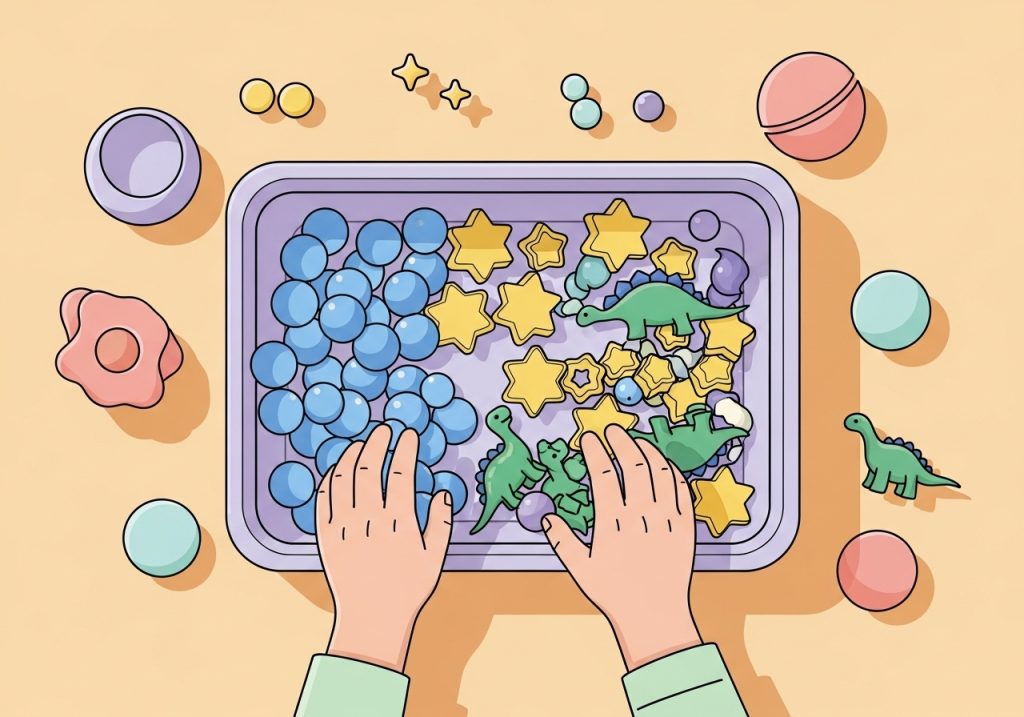
A themed tactile bin is one of the most versatile and engaging sensory tools. It involves filling a container with a base material and adding small objects related to a specific theme, inviting children to explore with their hands. This hands-on activity provides rich tactile input and encourages curiosity.
The beauty of a tactile bin lies in its adaptability. You can change the theme based on the season, a child’s interests, or specific learning goals. This keeps the activity fresh and exciting, encouraging repeated engagement.
- Base Materials: Start with a foundation that offers a distinct texture. Options include dry pasta, colored rice, sand, water beads, cotton balls, or shredded paper. Each material provides a different tactile experience.
- Themed Items: Add items that encourage interaction. For an ocean theme, you might include small plastic sea animals, seashells, and blue-dyed rice. For a construction theme, you could use kinetic sand, small toy trucks, and smooth stones.
- Tools for Exploration: Provide scoops, tongs, funnels, and small cups. Using these tools helps children improve their fine motor skills, including hand strength, pincer grasp, and bilateral coordination.
The developmental benefits are extensive. As children scoop, pour, and sort, they practice motor planning and hand-eye coordination. They also build cognitive skills by categorizing objects and engaging in imaginative play scenarios. Verbally describing the textures and objects helps expand their vocabulary and language skills. The simple act of creating a sensory bin is an easy way to set up a powerful learning station.
Incorporate Movement-Based ‘Heavy Work’ Activities
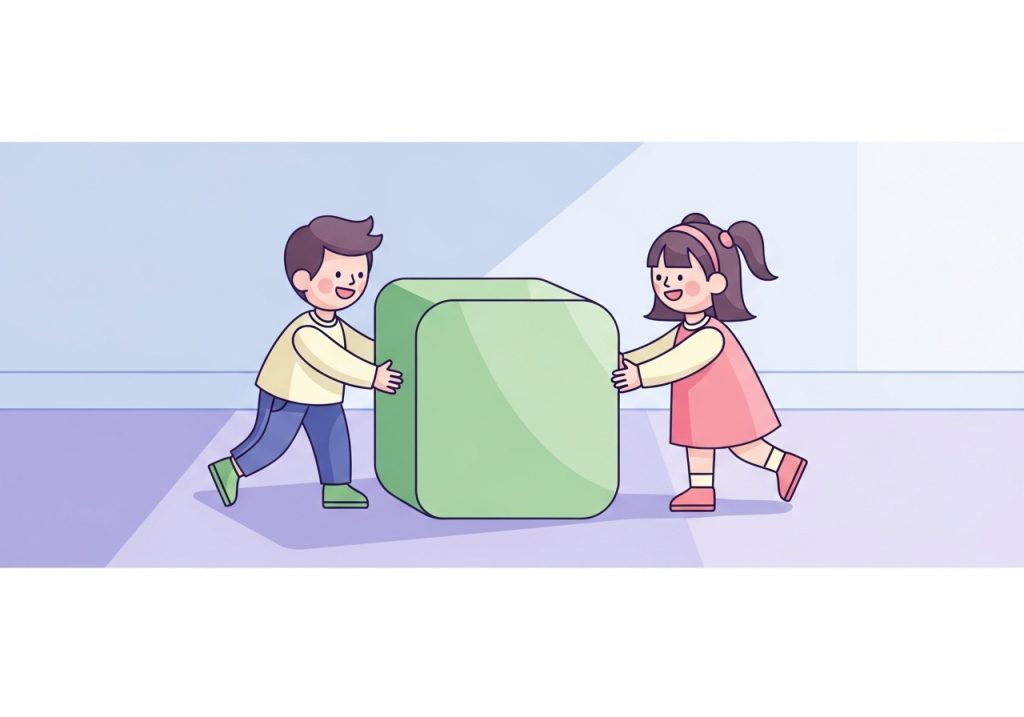
“Heavy work” activities involve proprioceptive input, which means they engage the muscles and joints through actions like pushing, pulling, and carrying. This type of input is highly organizing for the nervous system and can help children improve their body awareness, focus, and emotional regulation. Many children, especially those with sensory processing challenges, find these activities calming and centering.
Examples of effective sensory activities often include heavy work because it provides clear feedback to the body about where it is in space. Integrating these tasks into a preschooler’s daily routine can be simple and doesn’t require special equipment.
- Classroom or Clinic Jobs: Assign tasks that involve controlled physical effort. This could include pushing a cart to collect books, carrying a basket of supplies, wiping down tables, or helping to push in chairs.
- Play-Based Movements: Turn heavy work into a game. Animal walks like bear crawls, crab walks, and frog jumps are excellent for proprioceptive input. Building with large blocks or pillows also engages major muscle groups.
- Outdoor Activities: Encourage pushing a toy lawnmower, pulling a wagon with toys in it, or digging in a sandbox. These are natural ways for children to get the sensory input they need while playing.
The goal is not to exhaust the child but to provide short bursts of purposeful movement. These activities can be used proactively before a task requiring focused attention, or reactively when a child appears dysregulated. By making heavy work a positive and routine part of the day, you give children a tool to help manage their own sensory systems.
Explore Sound with a DIY Listening Game
The auditory system plays a significant role in learning and attention. An activity that helps preschoolers tune into different sounds can strengthen their auditory discrimination skills, which are important for language development and following directions. A DIY listening game is a simple and effective way to practice this.
To create the game, you will need several pairs of small, opaque containers, such as plastic Easter eggs or empty spice jars. Fill each pair with the same material, ensuring you have a variety of sounds.
- Gather Your Materials: Collect small items that make distinct noises. Good options include uncooked rice, jingle bells, paper clips, coins, small beads, or sand.
- Create the Sound Shakers: Fill one pair of containers with rice, another with bells, and so on. Make sure the containers are securely sealed to prevent spills.
- Play the Game: Mix up the containers and have the child shake one. Then, ask them to find its match by shaking the others. For an added challenge, you can have them describe the sound (e.g., loud, soft, rattly, quiet) or guess what might be inside.
This activity encourages active listening and helps children filter out background noise to focus on a specific sound. It also builds memory and concentration as they work to recall and match the sounds. It’s a quiet, focused game that can be a great transition activity between more active periods of play.
Use Light and Color for Visual Tracking
The visual system is responsible for interpreting a vast amount of information about the world. Activities that engage this system can help preschoolers develop visual tracking, scanning, and attention skills, which are precursors to reading and writing. Using light and color provides a high-contrast, motivating way to practice these skills.
You can create engaging visual sensory experiences with common household items. The key is to create an environment where light and color are the main focus.
- Flashlight Games: In a dimly lit room, use a flashlight to make a beam of light on a wall or ceiling. Encourage the child to follow the light with their eyes as you move it slowly in different directions (up, down, side-to-side, in circles). You can also play “flashlight tag,” where they try to catch your beam with their own.
- Light Table or Window Play: A light table is a fantastic tool, but a sunny window works just as well. Provide translucent materials like colored blocks, magnetic tiles, or transparent counting chips for children to explore. The way the light shines through the objects is visually captivating.
- Colored Water Exploration: Fill clear containers with water and add a few drops of different food coloring. Children can mix the colors and observe the changes, or you can place the containers near a window to see the light shine through them.
These activities help strengthen the eye muscles needed to track a line of text on a page. They also support visual attention and can be very calming and organizing for children who are visually oriented learners.
Engage Smell and Taste with Scented Dough
The olfactory (smell) and gustatory (taste) systems are often overlooked in sensory play, but they are powerfully linked to memory and emotion. Creating and playing with scented dough is a wonderful way to integrate these senses in a safe, controlled manner while also providing tactile and proprioceptive input.
You can easily add scents to homemade or store-bought play dough. Using food-grade extracts ensures the activity is safe if a child brings their hands to their mouth. The process of making the dough can be part of the activity itself.
- Choosing Scents: Different scents can have different effects on the nervous system. Calming scents include vanilla and lavender, while alerting scents include peppermint and citrus. Match the scent to the therapeutic goal for the play session.
- The Activity: Kneading, rolling, and squishing the dough strengthens the small muscles in the hands, which is excellent preparation for handwriting. The combination of the tactile sensation and the aroma creates a rich, multi-sensory experience.
- Expanding the Play: Encourage children to describe the scents. Ask questions like, “What does this smell remind you of?” This helps build connections between smell, memory, and language.
This activity is not just about the final product. The process of mixing, kneading, and smelling provides valuable sensory information that can help a child feel more grounded and focused.
Combine Fine Motor Practice with Mess-Free Sensory Bags
For some children, direct contact with wet or sticky textures can be overstimulating or aversive. Mess-free sensory bags offer a fantastic alternative, providing valuable tactile input without the mess. As noted by educators at The Gardner School, sensory bags are a great way to let children explore different textures. These bags are also excellent tools for pre-writing and fine motor practice.
Creating a sensory bag is simple and inexpensive. All you need is a durable, sealable plastic bag, a filler, and strong tape.
- Choose a Filler: Clear hair gel, shaving cream, or non-toxic paint works well as a base. The filler should allow small objects to move around inside the bag easily.
- Add Small Items: Place small, smooth objects inside the bag before sealing. Good choices include plastic beads, googly eyes, sequins, or small buttons. These add visual interest and give children something to manipulate.
- Seal and Secure: Squeeze out as much air as possible before sealing the bag. For extra security, fold a piece of strong duct tape over the seal. You can then tape the entire bag flat onto a table or a window at the child’s eye level.
Children can use their fingers to squish the gel, move the objects around, or trace letters, numbers, and shapes on the surface of the bag. This strengthens finger isolation and hand-eye coordination. It provides a contained and predictable sensory experience, making it an ideal choice for children who need a more structured approach to tactile play.
Build a Calming Corner with Varied Textures
Every child needs a safe, quiet space where they can go to self-regulate when they feel overwhelmed. A calming corner is not a punishment area but a supportive retreat. Designing this space with purposeful sensory tools can make it highly effective. Incorporating such sensory environmental modifications is a recognized strategy for supporting children’s needs.
The goal is to create an environment that reduces sensory input while providing tools that offer calming tactile and deep pressure sensations.
- Soft and Comfortable Seating: Use beanbag chairs, large floor pillows, or a small tent to create a cozy, enclosed space. This helps block out visual distractions.
- Varied Textures: Offer a variety of tactile experiences. Include items like a soft, fuzzy blanket, a sequin pillow that changes color when touched, or a fleece-covered lap pad.
- Deep Pressure Tools: A weighted lap pad or a small weighted blanket can provide calming deep pressure input. Gentle, firm pressure has an organizing effect on the nervous system.
- Quiet Fidgets: Include a few simple, silent fidget tools, such as a piece of soft clay, a stress ball, or a marble maze made from fabric.
Teach the child how to use the space when they start to feel big emotions. By providing access to these tools proactively, you empower them to learn how to recognize their own sensory needs and take steps to meet them. This builds independence and self-awareness, which are critical life skills.
Integrating sensory play for preschoolers into their daily lives is one of the most effective ways to support holistic development. These activities are not just about fun; they are carefully designed to help children build the sensory processing skills they need to navigate the world successfully. By using simple materials and a bit of creativity, you can create powerful learning experiences that address tactile, proprioceptive, auditory, visual, and olfactory needs. Start with one or two of these ideas and observe how the children in your care respond. You will be providing them with the foundational tools they need to learn, grow, and thrive.
Looking for more ready-to-use resources to support skill development? Explore our collection of OT-designed printables, activities, and guides. Find practical tools to make learning engaging and effective in your classroom, clinic, or home.
Leave a Reply