
Asperger’s social skills training is a structured approach that teaches social communication, emotional understanding, and perspective-taking to help individuals on the autism spectrum build meaningful connections. While the diagnosis of Asperger’s Syndrome is now part of the broader category of Autism Spectrum Disorder (ASD) in the Diagnostic and Statistical Manual of Mental Disorders (DSM-5), the term is still widely used by individuals and professionals to describe a specific profile. The need for clear, supportive social instruction remains critical for these learners to thrive in school, work, and community settings.
Understanding the Core Challenges in Social Interaction
For individuals with an Asperger’s profile, social interactions can feel like trying to follow a conversation in a foreign language without a dictionary. They often have strong language skills and a desire to connect, but they may miss the subtle, unwritten rules that guide social behavior. This gap in understanding is not a choice or a lack of interest. It is a difference in neurological wiring that makes intuitive social learning difficult. The result can be misunderstandings, anxiety, and social isolation.
Professionals and caregivers supporting these learners often observe challenges in several key areas:
- Interpreting Nonverbal Cues: A significant part of communication is nonverbal. Learners may have difficulty reading body language, facial expressions, and tone of voice to understand the full context of what someone is saying.
- Perspective-Taking: This skill, sometimes called Theory of Mind, involves understanding a situation from another person’s point of view. It can be challenging to predict how one’s actions or words might make someone else feel.
- Understanding Figurative Language: The literal interpretation of language is common. Sarcasm, idioms (“it’s raining cats and dogs”), and metaphors can be confusing and lead to miscommunication.
- Initiating and Maintaining Conversations: Knowing how to start a conversation, take turns speaking, stay on a shared topic, and politely end the exchange are complex skills that often require direct teaching.
- Emotional Regulation: Managing feelings of frustration or anxiety that arise during complex or unpredictable social situations is a major challenge. When a learner is overwhelmed, their capacity for social problem-solving is reduced.
Key Components of Effective Asperger’s Social Skills Training
Effective training breaks down complex social skills into smaller, understandable parts. Rather than expecting a learner to simply “pick up” social cues through observation, this approach uses direct and explicit instruction to make the invisible rules of social engagement visible. A comprehensive program often integrates several evidence-based methods to teach and reinforce these skills.
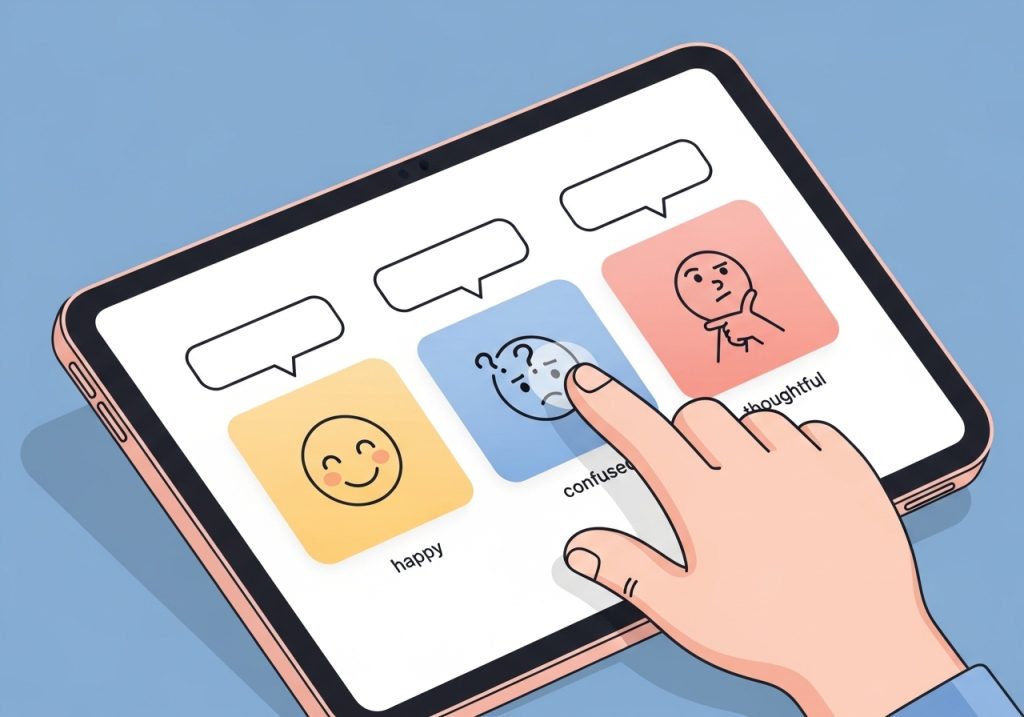
Direct Instruction and Social Narratives
This method involves clearly explaining a social rule or concept in concrete terms. For example, you might explain what makes a comment a compliment versus a neutral observation, providing specific examples of each. Social narratives, which are short stories that describe a social situation and suggest appropriate responses, are powerful tools. They provide context, reduce anxiety by making situations predictable, and offer a script for navigating tricky interactions, from joining a game at recess to working on a group project.
Video Modeling
Watching videos of others successfully navigating a social situation can be very effective. Learners can observe appropriate behaviors, like asking a classmate to share a toy or waiting for a turn to speak, in a low-pressure way. The video can be paused to discuss what is happening and rewatched as many times as needed to reinforce learning. This method helps make abstract social concepts more concrete and understandable.
Role-Playing and Practice
After a skill is taught, it needs to be practiced in a safe and supportive environment. Role-playing provides a structured opportunity to rehearse conversations, practice asking for help, or work on resolving a disagreement without the real-world consequences of a mistake. The therapist, teacher, or parent can provide immediate, constructive feedback to help the learner refine their approach.
Practical Strategies for Therapists, Teachers, and Parents
A consistent approach across different environments is key to helping skills generalize from the therapy room to the classroom and home. When therapists, teachers, and parents work together, they create a supportive network that reinforces social learning throughout the learner’s day. This collaboration ensures that the same language and strategies are used, which builds confidence and reduces confusion.
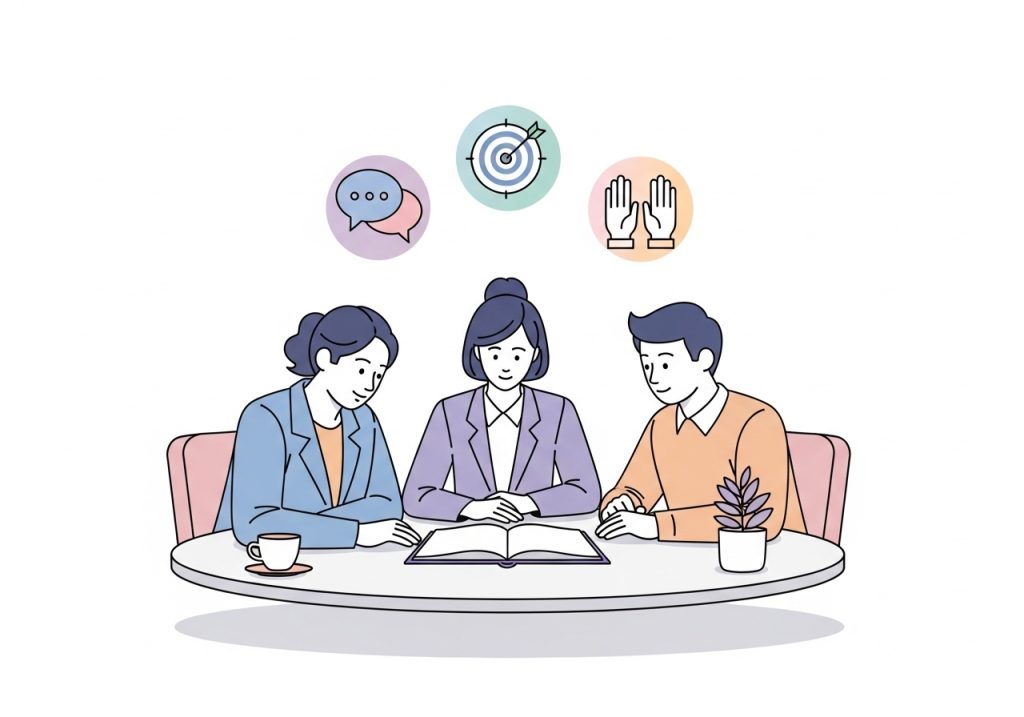
For Occupational Therapists
In therapy sessions, OTs can create structured activities that target specific social goals. This could involve using a board game to practice turn-taking and handling winning or losing, or analyzing scenarios to identify different emotions and perspectives. OTs are also skilled at addressing the sensory and emotional regulation components that underlie many social challenges. By incorporating engaging emotional quotient games, therapists can make learning about empathy and self-awareness fun. The therapeutic environment provides a perfect setting to break down tasks and build foundational skills.
For Teachers
In the classroom, teachers can foster a socially inclusive environment that benefits all students. Providing structured group work with clear roles and expectations can make collaboration less intimidating. Using visual schedules and priming students for changes in routine can reduce anxiety, freeing up cognitive resources for social learning. Peer-buddy systems, where a neurotypical peer is paired with a student on the spectrum, can also provide positive social models and opportunities for genuine connection.
For Parents
At home, parents can help their child practice skills in natural, everyday contexts. You can narrate social situations as they happen in real life or on television, for example, saying, “I see your friend looks sad. His shoulders are slumped. I wonder if he would like to talk.” Planning structured playdates around a child’s specific interests can also create positive social experiences where the child feels confident and competent. Recognizing the importance of what ASD early intervention can accomplish helps families build a strong foundation for these skills from a young age.
Choosing the Right Tools and Resources
Supporting social skill development often requires concrete tools that make abstract concepts easier to grasp. Visual aids are incredibly helpful, such as emotion charts that show different facial expressions or conversation starter cards that provide prompts. Checklists for morning routines or for getting ready for school can help build independence and reduce social anxiety related to unstructured time. Using the right practical education materials for teachers and therapists can make a significant difference in how effectively a concept is taught and understood.
For those looking for ready-to-use materials, The Inspiring OT offers a variety of practical, low-prep resources designed by an experienced occupational therapist. These printable activities and worksheets can help structure your teaching on topics ranging from emotional regulation and perspective-taking to fine motor skills that support written communication and participation in classroom activities.
Measuring Progress and Adapting Your Approach
Success in social skills training is not about achieving social “perfection” or changing who a person is. It is about building confidence, reducing anxiety, and developing the ability to form meaningful relationships on their own terms. Progress should be measured by individual growth, not against a neurotypical standard. Setting small, specific, and achievable goals is essential. For instance, a goal might be for the learner to ask one question to a peer during lunch, not to maintain a 10-minute reciprocal conversation.
Observe the learner in different settings to see if skills are generalizing. Celebrate small successes and acknowledge the effort involved, as social interaction can be exhausting. Be prepared to adjust your strategies based on what works best for the individual. Every learner is different, and the most effective social skills support is flexible, patient, and tailored to their unique strengths and needs. With consistent and compassionate guidance, individuals can develop the skills they need to navigate the social world with greater confidence and success.
Ready to equip your learners with the tools they need for success? The Inspiring OT provides practical, evidence-informed resources designed by an occupational therapist to make skill building engaging and effective. Explore our shop for printable activities, worksheets, and guides that support social skills, emotional regulation, and much more. Browse our collection of OT-created resources today.
Leave a Reply