
Sensory adaptations are modifications made to an environment, task, or activity to help an individual better manage and respond to sensory input. For occupational therapists, educators, and parents, understanding how to use these adaptations is essential for creating supportive learning spaces where every child can participate successfully. By adjusting sensory demands, you can help children regulate their attention, emotions, and physical responses, paving the way for improved engagement and skill development.
What Are Sensory Adaptations?
Sensory adaptations are intentional changes that match the environment to a person’s sensory processing needs. Our brains constantly take in information through our senses: sight, sound, touch, taste, smell, movement (vestibular), and body position (proprioception). For some individuals, this process works differently. They might be overly sensitive to input (hypersensitive) or not sensitive enough (hyposensitive). An adaptation acts like a volume dial, turning down overwhelming stimuli or turning up necessary input to help the nervous system find a “just right” state for focus and learning.
A child who is easily distracted by classroom noise might benefit from noise-reducing headphones (an auditory adaptation). Another child who constantly fidgets might need a wiggle seat to get the movement input their body craves (a vestibular adaptation). These are not rewards or punishments; they are tools that support regulation. According to research published by the American Occupational Therapy Association, sensory-based interventions are a key part of supporting children with challenges in sensory integration and processing.
Recognizing the Need for Sensory Support
Behavior is often a form of communication, and certain actions can signal that a child is struggling with sensory processing. Identifying these signs is the first step toward providing effective support. While every child is different, some common patterns may indicate a need for sensory adaptations.
Many of these signs are related to how an individual modulates sensory information. Signs of sensory overload or avoidance can include:
- Covering ears in response to loud or unexpected noises.
- Expressing discomfort with certain clothing textures, tags, or seams.
- Avoiding messy play with materials like paint, glue, or sand.
- Appearing anxious or overwhelmed in crowded or visually stimulating places.
- Having strong negative reactions to certain food textures or smells.
On the other hand, a child might be seeking more sensory input. Signs of sensory seeking or under-responsiveness can include:
- Constant movement, such as fidgeting, rocking, or spinning.
- A desire for rough play, crashing into furniture, or jumping frequently.
- Touching objects and people often, sometimes with too much force.
- Making loud noises or enjoying environments with a lot of sound.
Many autistic individuals experience sensory processing differences. Research suggests that a significant percentage of people with autism have sensory sensitivities that affect their daily lives. Understanding these needs is a critical part of creating an IEP for a student with autism or any individualized support plan.
Types of Sensory Adaptations for Different Needs
Effective support involves choosing adaptations that target the specific sensory system in need of regulation. The right tool depends on the individual child and the context of the situation. Here are some examples broken down by sensory system.
Proprioceptive and Vestibular Adaptations (Movement and Body Awareness)
The proprioceptive system gets input from our muscles and joints, telling us where our body is in space. The vestibular system, located in the inner ear, governs balance and spatial orientation. Adaptations for these systems often involve movement and deep pressure.
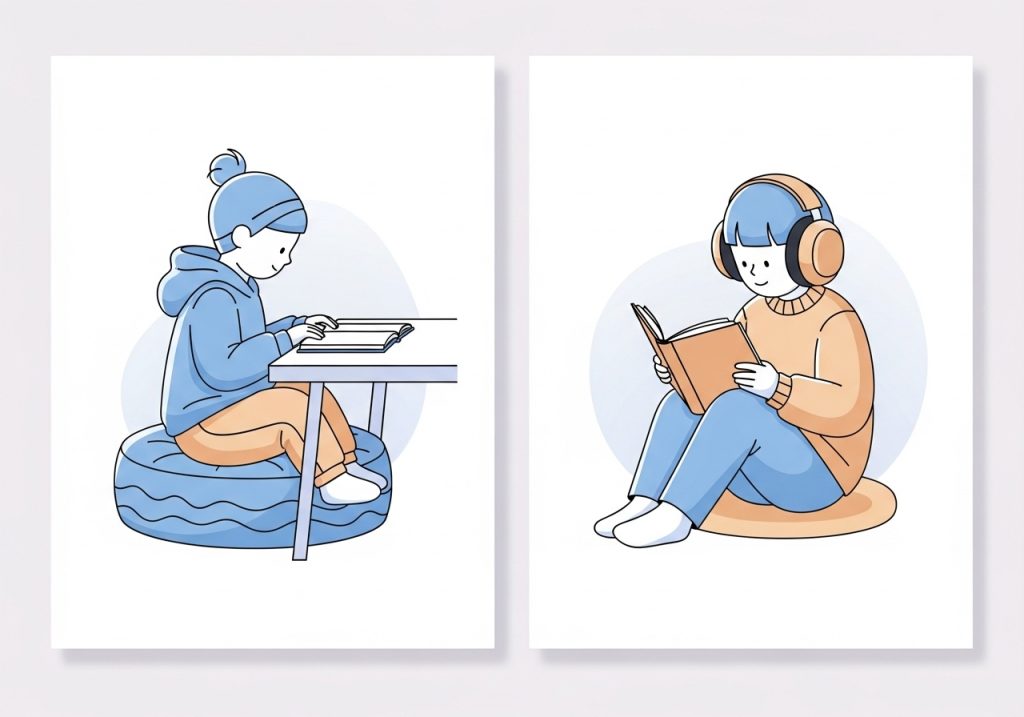
- Flexible Seating: Wiggle seats, therapy balls, or cushions allow for small movements that can help a child maintain focus while seated.
- Movement Breaks: Incorporating short, planned breaks for jumping, stretching, or wall pushes can help reset the nervous system.
- Heavy Work: Activities that involve pushing or pulling, such as carrying a stack of books, stacking chairs, or erasing a whiteboard, provide calming proprioceptive input.
- Weighted Items: Weighted lap pads or vests can provide deep pressure that helps calm and organize the body. These should always be used under the guidance of an occupational therapist.
Tactile Adaptations (Touch)
The tactile system processes information from the skin. Some children are highly sensitive to touch, while others may seek it out.
- Fidget Tools: Providing small, quiet objects to hold and manipulate can help with focus and reduce the need to touch other things.
- Texture Modifications: For a child who dislikes messy textures, offer tools like paintbrushes or sponges. For one who seeks texture, create a bin with items like textured balls, fabrics, or putty.
- Clothing Comfort: Be mindful of clothing sensitivities. Options like seamless socks, tagless shirts, or soft fabrics can make a big difference.
Auditory and Visual Adaptations (Hearing and Sight)
The classroom can be a source of overwhelming auditory and visual information. Simple changes can reduce this sensory load.
- Noise-Canceling Headphones: These can block out distracting background noise during independent work time.
- Preferential Seating: Seating a child away from high-traffic areas like the door or pencil sharpener can reduce auditory and visual distractions.
- Reduced Visual Clutter: A minimalist classroom design with organized materials and less wall decor can be calming for visually sensitive children. Using visual representation like a simple schedule can provide structure without being overwhelming.
- Lighting Adjustments: Dimming harsh fluorescent lights or using lamps can create a more soothing visual environment.
How to Implement Adaptations in the Classroom
Integrating sensory strategies into the classroom does not require a complete overhaul. It is a form of differentiated instruction that supports diverse learners. Small, consistent changes can create a more inclusive and effective learning environment for everyone.
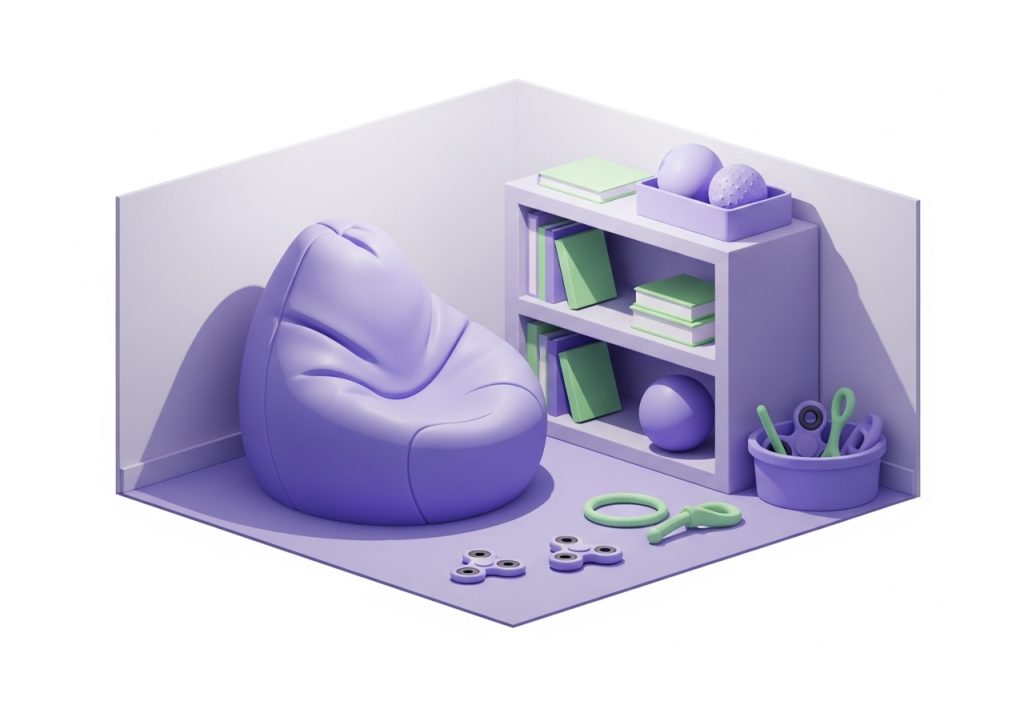
Consider these strategies for your classroom:
- Establish a Quiet Corner: Designate a small, comfortable area where a student can go to take a brief break and regroup. Equip it with calming items like a beanbag chair, soft blankets, or a few sensory tools.
- Offer Flexible Seating Universally: Instead of assigning special seats, make different options available to all students. This normalizes their use and allows children to choose what works best for them on any given day.
- Build Movement into Routines: Plan short “brain breaks” between activities. These can be as simple as a few stretches at their desks or a quick trip to deliver a message to the office.
- Create a Sensory Toolkit: Put together a box of approved fidgets, stress balls, or other quiet sensory tools that students can access when needed. Set clear expectations for their use.
Adapting Tasks and Materials for Success
Beyond changing the environment, you can also adapt the tasks themselves. Modifying academic work can help a child with sensory sensitivities participate more fully and demonstrate their knowledge without becoming dysregulated.
- Writing Tools: Offer a variety of options beyond a standard pencil. Vibrating pens, weighted pencils, or different grip sizes can provide more or less sensory input. For some, typing on a keyboard may be a better option.
- Worksheet Presentation: Reduce visual clutter by using a blank piece of paper to cover parts of a worksheet, revealing only one question at a time. Using paper with a colored overlay can also reduce visual stress for some students.
- Task Duration: Break down larger assignments into smaller, more manageable chunks. Using a visual timer can help a child understand how long they need to focus before a break.
- Art and Science Projects: Be mindful of strong smells from materials like glue, paint, or vinegar. Ensure good ventilation and provide alternative materials when possible. For tactile-sensitive children, offer tools like gloves or brushes for messy activities.
Collaborating with Families and Therapists
The most effective sensory support happens when there is a strong partnership between the school and home. A strategy that works in the classroom may also be helpful during homework time, and insights from parents can inform what happens at school. Occupational therapists are experts in sensory processing and can provide valuable assessments, recommendations, and direct support.
Consistent communication is crucial. A simple communication log or periodic emails can keep everyone on the same page. When a therapist recommends a specific tool or strategy, it is important that everyone understands how and when to use it. A collaborative approach ensures the child receives consistent support across all environments, which is fundamental to building skills and fostering well-being.
Sensory adaptations are a powerful way to support learners. These are not about lowering expectations but about removing barriers to participation. By thoughtfully adjusting the environment and tasks, we give children the tools they need to regulate their bodies and minds, allowing them to engage, learn, and thrive. The goal is to create a space where every child feels safe, understood, and ready to succeed.
Ready to bring engaging, evidence-informed activities into your classroom, therapy sessions, or home? The Inspiring OT offers a wide range of printable resources designed by an experienced occupational therapist to support skill development in a fun and practical way. Explore the shop for low-prep worksheets, sensory toolkits, fine motor activities, and more. Find the perfect tool to help your learners grow today.
Leave a Reply