
When a child is constantly in motion, chewing on their shirt collar, or making loud noises, it can be challenging to understand the reason behind their actions. These are often examples of sensory seeking behaviors, which are a child’s attempt to get the sensory input their nervous system needs to feel organized and regulated. Rather than viewing these actions as purely behavioral issues, we can learn to see them as a form of communication. This guide provides a practical, step-by-step approach for occupational therapists, teachers, and parents to understand and support children who seek intense sensory input.
Step 1: Define What Sensory Seeking Behaviors Are
At its core, sensory seeking is a person’s active effort to get more sensory stimulation from their environment. Every person has a unique sensory profile; some of us are more sensitive to input, while others require much more to feel “just right.” For sensory seekers, their nervous system is under-responsive. This means they need more intense, frequent, or longer-lasting sensory experiences to register information and feel regulated.
This need for input is not a choice or a sign of misbehavior. It is a neurological drive. A child who spins in circles may be trying to stimulate their vestibular system to feel more alert and grounded. A student who constantly taps their pencil might be seeking auditory and proprioceptive input to help them focus. By reframing our perspective, we can shift from trying to stop a behavior to finding a safe and appropriate way to meet the underlying sensory need.
Step 2: Observe and Identify the Target Sensory System
Before you can provide effective support, you must first identify which sensory system a child is trying to stimulate. Careful observation is key. Pay attention to the types of activities the child gravitates toward, especially when they are not in a structured task. You can often connect their actions to one of the primary sensory systems.
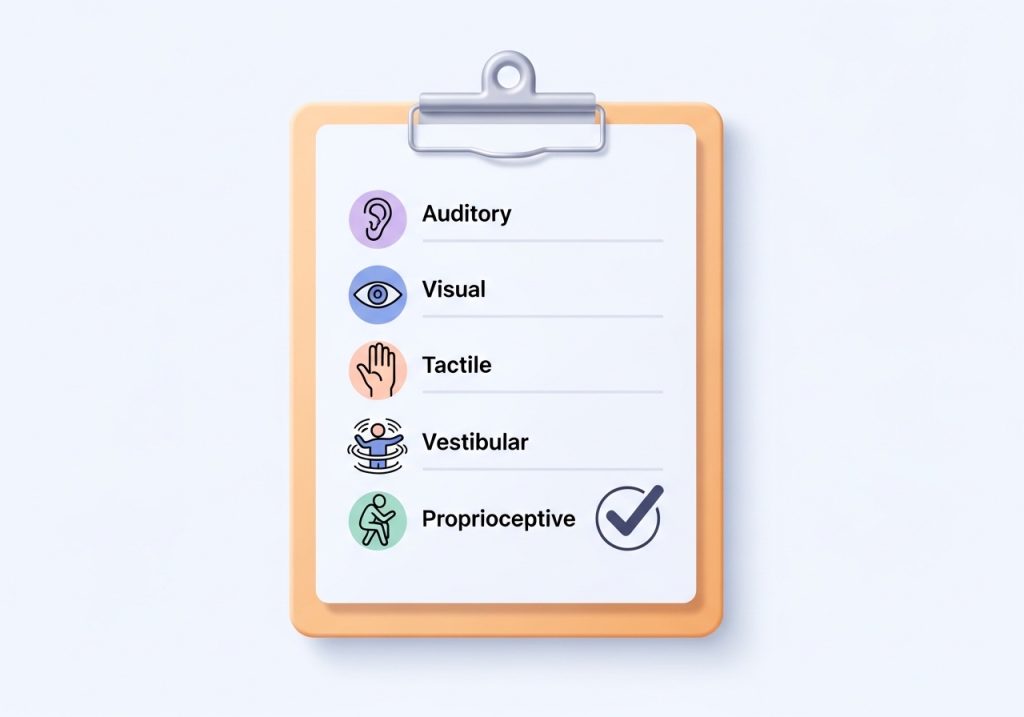
Here are some common examples of sensory seeking behaviors linked to specific systems:
- Vestibular (Movement and Balance): This system is located in the inner ear. Seekers may love spinning, swinging, rocking, or hanging upside down. They often have trouble sitting still and seem to be in constant motion.
- Proprioceptive (Body Awareness): Input to this system comes from the muscles and joints. Children seeking this input enjoy deep pressure, such as tight hugs, and activities that involve pushing, pulling, or jumping. They might crash into furniture, stomp their feet, or enjoy wearing heavy backpacks.
- Tactile (Touch): A child seeking tactile input might touch everything and everyone. They may prefer specific clothing textures, enjoy messy play, or fidget with different objects in their hands.
- Oral (Mouth): This is a common area for seeking behavior. Actions include chewing on non-food items like pencils or clothing, making noises with their mouth, or preferring foods with strong flavors or crunchy textures.
- Auditory (Hearing): Auditory seekers might make loud, repetitive noises, listen to music at a high volume, or be drawn to noisy, busy environments.
- Visual (Sight): These children are often drawn to bright lights, spinning objects, or fast-paced movements on screens. They might stare at lights or hold objects very close to their eyes.
By identifying the target system, you can choose interventions that are much more likely to be effective.
Step 3: Create a Proactive ‘Sensory Diet’
A sensory diet is a personalized plan of activities designed to give a child the sensory input they need throughout the day. The goal is to be proactive, not reactive. By providing scheduled “sensory snacks,” you can help a child’s nervous system stay regulated, which can reduce the need to engage in disruptive or unsafe seeking behaviors. A well-regulated nervous system is also better prepared for learning and social engagement.
A sensory diet should be integrated into the child’s natural routines. For example, you could include heavy work activities in the morning, like helping carry the laundry basket. You could schedule a movement break with jumping jacks or wall pushes before sitting down for quiet work. A crunchy snack can provide oral input in the afternoon. The key is consistency. When the nervous system can predict when it will receive input, it functions more efficiently. Creating this structure is also fundamental to help children learn de-escalation skills, as sensory regulation is a foundation for emotional control.
Step 4: Provide Safe and Appropriate Sensory Inputs
Once you understand a child’s sensory needs, you can replace less desirable behaviors with safer, more functional alternatives. The strategy is not to eliminate the seeking but to redirect it. The new activity must provide a similar type of sensory input to be successful.

Here are some examples of positive substitutions:
- Instead of crashing into furniture (Proprioceptive): Try animal walks (like bear walks or crab walks), pushing a therapy ball against a wall, or using a weighted lap pad during seated activities.
- Instead of chewing on a shirt collar (Oral): Offer a safe alternative like a chewable necklace, crunchy snacks (carrots, pretzels), or drinking water through a straw.
- Instead of spinning until dizzy (Vestibular): Schedule time on a playground swing, use a sit-and-spin toy for a set number of rotations, or have the child rock in a rocking chair.
- Instead of constantly touching objects and people (Tactile): Provide a fidget tool, a container of therapy putty or slime, or a small piece of soft fabric to keep in their pocket.
- Instead of making loud, disruptive noises (Auditory): Allow the child to use headphones to listen to music at appropriate times, provide a designated space for making noise, or practice humming as a quieter alternative.
Step 5: Collaborate with the Team and Document Progress
Consistency is crucial for success. A child’s sensory needs do not change when they move from the classroom to the therapy clinic or to their home. It is essential for everyone involved, including parents, teachers, and therapists, to be on the same page. A collaborative approach ensures the child receives consistent support and messaging across all environments.
Hold brief meetings or create a simple communication log to share observations and strategies. What works well at home might be adapted for the classroom. An OT can provide specific recommendations and train other adults on how to implement them safely. It’s also important to document what you try and how the child responds. This process of tracking progress is similar to using practical formative assessment examples to guide academic instruction; it allows you to adjust your approach based on what is most effective for that individual child. Note any changes in focus, engagement, or overall regulation. This data will help the team refine the sensory diet and support plan over time.
Understanding sensory seeking behaviors is a transformative step toward supporting a child’s development. By shifting our perspective from managing behavior to meeting a fundamental neurological need, we can provide more compassionate and effective help. These steps offer a clear framework for observing a child’s needs, creating proactive strategies, and working together as a team. The goal is to help every child feel comfortable and organized in their own body so they are ready to learn, play, and connect with the world around them.
Ready to put these strategies into action? Finding the right tools can make all the difference. At The Inspiring OT, you’ll discover a wide range of practical, OT-designed printable activities and resources to support sensory needs, fine motor skills, emotional regulation, and more. Simplify your planning and find engaging, low-prep materials to help every learner succeed.
Explore the resource shop today and find the perfect tools to build into your sensory diets and skill-building routines.
Leave a Reply