
To improve fine motor skills in preschoolers, focus on consistent, play-based activities that build hand strength, coordination, and precision. These skills involve the small muscles in the hands and fingers working together to perform intricate tasks. According to the Cleveland Clinic, fine motor skills are the small, precise movements we make with our hands and fingers, and they are essential for a child’s independence and academic success. Developing these abilities allows a child to button a shirt, hold a crayon, and use scissors. This guide provides a step-by-step approach for therapists, educators, and parents to support this critical area of development.
Step 1: Build Foundational Hand and Finger Strength
Start by developing the essential muscle strength in a child’s hands and fingers, which provides the stability needed for more precise movements. Before a child can control a pencil, they need the endurance and power to manipulate objects. These activities build the intrinsic muscles of the hand through resistance and repetition, creating a strong base for more complex skills.
Simple, playful tasks are highly effective for building this foundational strength. Incorporate these activities into daily play or therapy sessions:
- Play-Dough and Putty: Squeezing, rolling, pinching, and pulling therapy putty or play-dough strengthens the entire hand.
- Squeezing Activities: Using spray bottles to water plants, squirting bath toys, or squeezing sponges helps build arch strength and endurance.
- Paper Crumpling: Have the child crumple a piece of paper into a tight ball using only one hand. This works all the small muscles in their hand and palm.
- Using Clothespins: Pinching clothespins to pick up small items like pom-poms and drop them into a container builds thumb and finger strength.
Step 2: Incorporate Activities for Pincer Grasp Development
Focus on activities that encourage using the thumb and index finger together, a critical skill for holding writing tools and manipulating small objects. The pincer grasp is the ability to pick up a small item with the tip of the thumb and the tip of the index finger. It represents a significant developmental milestone and is necessary for tasks requiring a high degree of precision.
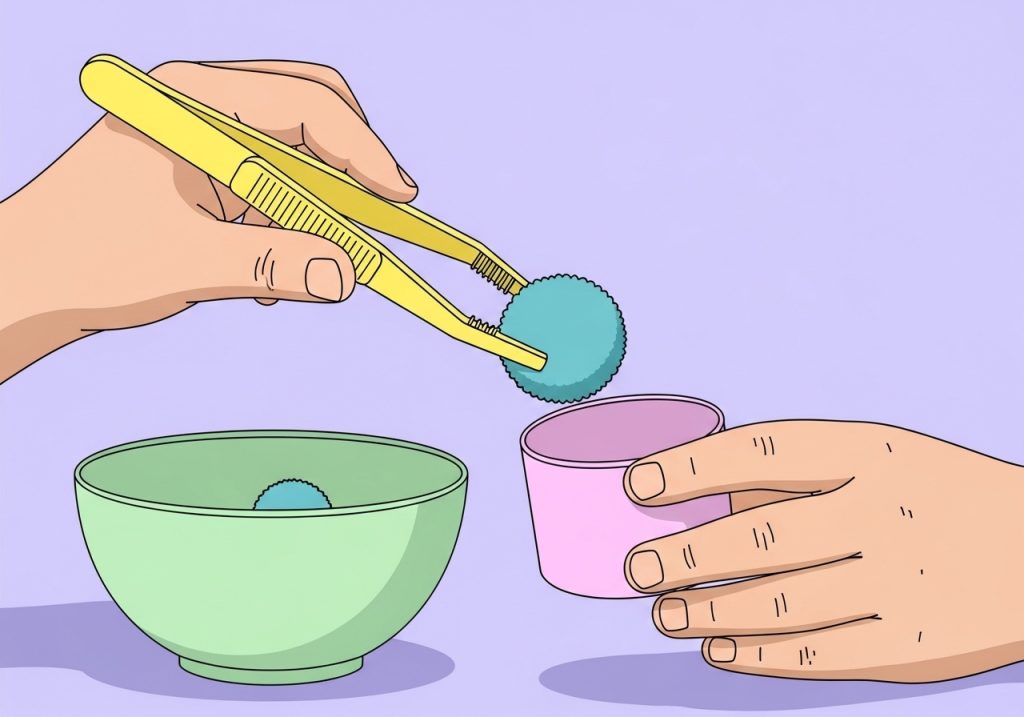
You can encourage pincer grasp development with simple and engaging materials:
- Small Object Manipulation: Encourage picking up small, age-appropriate items like Cheerios, beads, or small blocks.
- Tweezers and Tongs: Using large plastic tweezers or small tongs to transfer cotton balls or pom-poms from one bowl to another is an excellent way to practice.
- Sticker Fun: Peeling stickers from a sticker sheet requires a precise pincer grasp. Let the child place the stickers onto paper to create a picture.
- Threading and Lacing: Threading large beads, pasta, or cut-up straws onto a pipe cleaner or shoelace encourages a refined grasp.
Step 3: Encourage Bilateral Coordination
Introduce tasks that require both hands to work together, which is important for complex activities like cutting with scissors and managing fasteners. Bilateral coordination is the ability to use both sides of the body in a controlled and organized manner. Often, one hand acts as a stabilizer while the other performs a more skilled action. This skill is fundamental for many daily living and academic tasks, and it helps improve hand eye coordination.
Activities that promote the use of two hands together include:
- Tearing Paper: Tearing paper into strips to make a collage requires both hands to work in opposition.
- Stringing Beads: One hand must hold the string steady while the other hand manipulates the bead to guide it onto the string.
- Playing with Building Blocks: Snapping together and pulling apart blocks like LEGO Duplos requires one hand to stabilize the base while the other adds or removes a piece.
- Kitchen Tasks: Simple tasks like using a rolling pin, spreading butter on toast, or holding a bowl while stirring help develop this skill in a functional context.
Step 4: How to Improve Fine Motor Skills in Preschoolers with Pre-Writing and Tool Use
Transition from general strength-building to more specific pre-academic skills by practicing with simple tools and foundational writing motions. As hand strength and coordination improve, children are ready to start manipulating tools that prepare them for writing and other school-based activities. Introducing these tools in a low-pressure, playful way is key to building confidence and skill.

According to the University of St. Augustine for Health Sciences, using tools like scissors can develop hand strength and coordination. Try these activities to help bridge the gap to academic readiness:
- Cutting with Scissors: Start with snipping the edges of paper or play-dough. Gradually progress to cutting along thick, straight lines and then to simple shapes.
- Drawing and Tracing: Provide thick crayons, markers, or chalk for drawing. Tracing simple lines, curves, and shapes on paper or a vertical surface like an easel helps develop control.
- Using a Hole Punch: Squeezing a hole punch strengthens the hand and provides a fun way to create confetti or materials for art projects.
- Connecting Dots: Simple connect-the-dots activities encourage pencil control and visual motor integration.
Step 5: Integrate Fine Motor Practice into Daily Routines
Make skill-building a natural part of the day by identifying opportunities for fine motor practice during meals, dressing, and playtime. The most effective development occurs when skills are practiced consistently in meaningful, everyday contexts. By turning daily chores and routines into learning opportunities, you provide repeated practice without the need for specialized materials or dedicated therapy time.
Look for these opportunities throughout the day:
- Dressing Skills: Encourage the child to manage their own clothing, including pulling up zippers, snapping snaps, and fastening large buttons.
- Mealtime Help: Let the child help in the kitchen by stirring ingredients, pouring liquids from a small pitcher, or using tongs to serve food. Using utensils like a fork and spoon is also excellent practice.
- Hygiene Routines: Tasks like squeezing a dot of toothpaste onto a toothbrush, opening and closing containers, and turning the handles on a faucet all support fine motor development.
- Play and Cleanup: Working on puzzles with knobs, dressing dolls, or putting small toys away into a container all reinforce the use of small hand muscles.
By following these five steps, you can create a supportive environment for preschoolers to develop the fine motor skills essential for their growth. The key is to keep activities engaging, child-led, and integrated into their natural routines. With consistent practice through play, children can build the strength, coordination, and confidence needed for future academic and life skills.
Ready to put these strategies into action? Find engaging, low-prep activities designed by an experienced occupational therapist. Explore our shop for printable worksheets, guides, and tools that make skill-building successful and fun for every learner.
Leave a Reply