
Creating effective classroom literacy centers is about more than just setting out a few activities. It involves thoughtful design that supports diverse learners and integrates multiple developmental skills. For educators, therapists, and caregivers, literacy stations offer a valuable opportunity to reinforce foundational concepts in reading and writing while students work independently or in small groups. By approaching literacy centers with an occupational therapy lens, you can transform them into powerful hubs for building not just literacy, but also the fine motor, sensory, and visual skills that underpin academic success. This guide offers five practical tips to help you design engaging and developmentally appropriate literacy centers.
Integrate Multi-Sensory Learning
Engage multiple senses to reinforce literacy concepts for different learning styles. When students can see, touch, and hear concepts, the information becomes more concrete and easier to retain. A multi-sensory approach addresses the needs of kinesthetic and tactile learners who benefit from hands-on engagement. Instead of relying solely on worksheets, you can create a richer learning experience that makes abstract symbols like letters and words tangible.
This method is particularly effective for reinforcing letter formation, phonemic awareness, and sight word recognition. By incorporating various textures, sounds, and movements, you create multiple pathways for learning in the brain. This helps solidify connections and can improve recall for all students, especially those who struggle with traditional teaching methods. A well-designed sensory station can be a favorite in your literacy center rotation.
Here are some ideas for multi-sensory literacy activities:
- Writing Trays: Fill a shallow tray with sand, salt, or colored rice. Students can practice tracing letters and words with their fingers, a stylus, or the back of a paintbrush. This provides tactile feedback that helps reinforce motor memory for letter formation.
- Textured Alphabet Cards: Create or purchase alphabet cards made from different materials, such as sandpaper, felt, or puffy paint. Students can trace the letters with their fingers to feel the shape and direction of each stroke.
- Play Dough Words: Provide play dough for students to roll into “snakes” and form into letters to build sight words or their names. This is an excellent activity for building hand strength.
- Magnetic Letters on a Cookie Sheet: A classic for a reason, using magnetic letters allows students to physically manipulate letters to build words. It combines visual and tactile input.
- Auditory Feedback: Use apps or simple recording devices where students can say a word and hear it played back, then try to spell it. This strengthens the connection between spoken and written language.
Target Fine Motor Skills within Literacy Tasks
Literacy and fine motor skills are closely connected. Activities like holding a pencil, turning pages, and forming letters all require well-developed hand strength, dexterity, and control. Integrating fine motor practice directly into your classroom literacy centers ensures students are building these essential physical skills while they engage with academic content. This makes the practice meaningful and contextual, rather than a separate, isolated exercise.
When students strengthen the small muscles in their hands and fingers, they improve their endurance for writing tasks and develop a more efficient pencil grasp. These activities also enhance pincer grasp (using the thumb and index finger), which is critical for manipulating small objects and tools. By embedding these tasks within literacy centers, you make skill-building a natural part of the learning process.
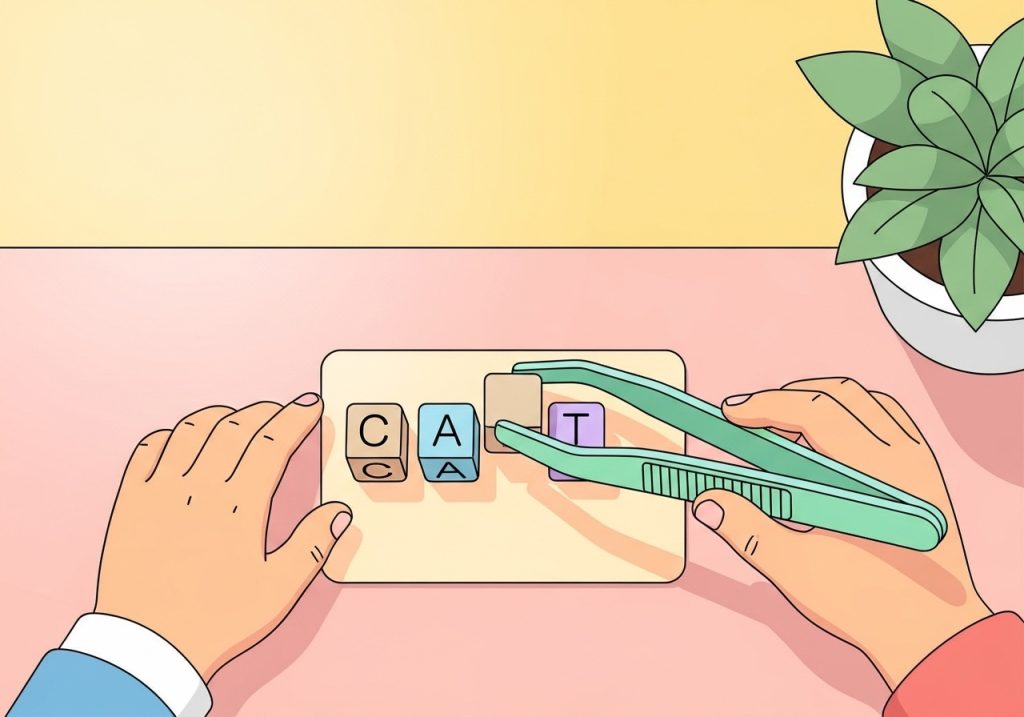
Consider adding these fine motor activities to your literacy stations:
- Clothespin Matching: Write letters or sight words on clothespins and have students clip them to matching cards. Squeezing the clothespins is a great way to build hand strength.
- Letter Bead Threading: Provide letter beads and pipe cleaners or string. Students can thread the beads to spell their names, sight words, or vocabulary words.
- Hole Punch Activities: Give students a hole punch and strips of paper with letters or words on them. They can punch a hole each time they read a specific word or find a target letter.
- Tweezer Sorting: Place small letter manipulatives (like Scrabble tiles or small erasers) in a bowl. Have students use tweezers to sort them into different containers, such as by letter or by vowels and consonants.
- Sticker Stories: Provide small stickers and paper. Students can place stickers to outline letters or create a picture and then write a sentence or story about it. Peeling and placing small stickers is excellent pincer grasp practice.
Strengthen Visual-Motor Integration
Many literacy tasks require the eyes and hands to work together efficiently. This skill, known as visual-motor integration, is fundamental for activities like copying words from a board, staying on a line when writing, and reading across a page without losing your place. When students struggle with visual-motor skills, they may write slowly, have messy handwriting, or find it difficult to complete assignments that involve transferring visual information onto paper. Centers are a perfect place to practice this skill in a low-stakes, engaging way.
Activities that build visual-motor skills help the brain process visual information and direct the hands to perform a related motor task accurately. This process relies heavily on a student’s visual perceptual skills, or their brain’s ability to make sense of what their eyes see. By including tasks that challenge this connection, you help build a stronger foundation for both reading and writing. You can include various practical visual motor activities to help learners build confidence and precision.
Here are some activities that support visual-motor integration:
- Tracing and Copying: Provide worksheets with letters, words, or simple shapes for students to trace. For a greater challenge, have them copy words or sentences from a model placed next to their paper.
- Dot-to-Dot Pages: Use alphabet or number-based dot-to-dot puzzles. These require students to visually scan for the next letter or number and then guide their pencil to connect the dots in sequence.
- Mazes: Simple mazes encourage students to plan a path with their eyes before drawing it with a pencil, requiring them to stay within the lines.
- Word Searches: Finding words in a puzzle helps students practice visual scanning and discrimination skills, which are important for reading fluency.
- Building with a Model: Have students build sight words using blocks or tiles based on a picture card. This requires them to look at a model and replicate it, strengthening their visual-motor coordination.
Provide Clear, Visually Supported Instructions
Help students work independently by providing clear instructions with visual aids. When children can understand what to do without constantly asking for help, they feel more confident and capable. Visual supports reduce the cognitive load of trying to remember multi-step directions, freeing up mental energy to focus on the actual learning task. This is beneficial for all students, but it is especially important for young learners, English language learners, and students with processing challenges.
Using pictures, icons, or checklists breaks down complex tasks into manageable steps. This approach is a form of scaffolding in education, providing just enough support to allow a student to complete a task successfully. Over time, as students become more familiar with the routines and activities, these supports can be gradually faded. As noted by experts at Brookes Publishing, thoughtful modifications and supports are key to creating inclusive and successful centers.
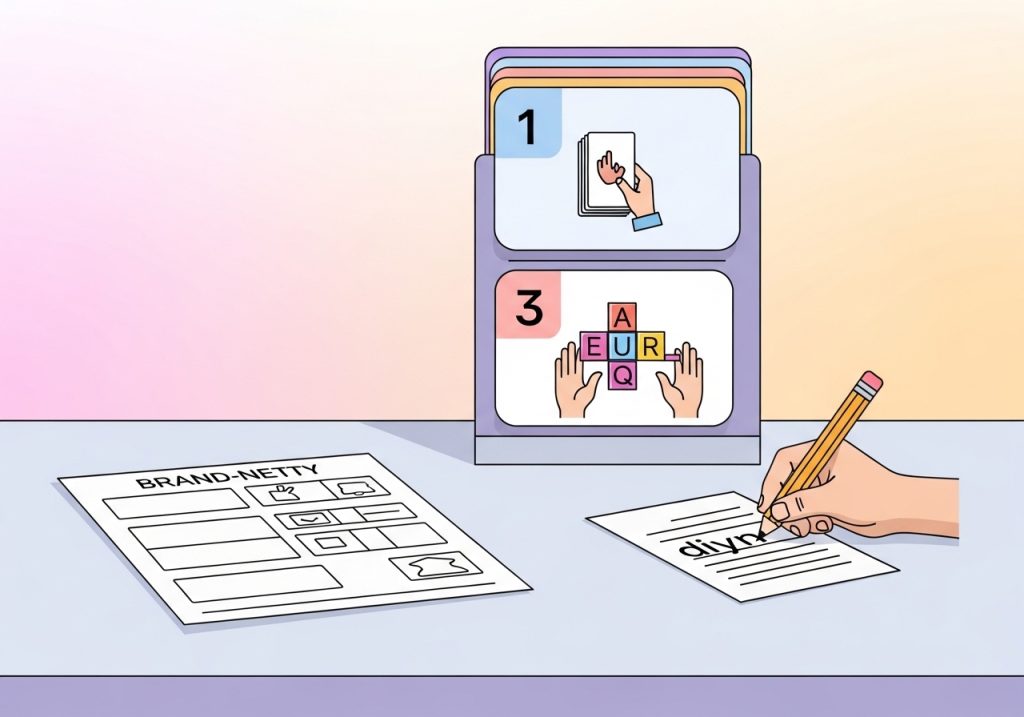
Effective ways to provide visually supported instructions include:
- Picture Direction Cards: Create a sequence of cards with a simple picture and a few keywords for each step of the activity (e.g., 1. Get tray. 2. Build word. 3. Write word. 4. Clean up.).
- Finished Examples: Place a completed example of the activity at the station. This gives students a clear visual target to work toward and answers many questions before they are asked.
- Checklists: For older students, a simple written checklist can help them track their progress through an activity and ensure they complete all the necessary steps.
- Video Models: For a technology-based center, you can record a short video of yourself demonstrating how to complete the activity. Students can watch it on a tablet at the station.
- Color-Coding: Use colors to organize materials and instructions. For example, everything needed for the “blue station” could be in a blue bin with a blue instruction card.
Structure Your Classroom Literacy Centers for Independence
Design a physical layout and routine that is predictable and easy for students to follow. A well-organized environment minimizes transition time and disruptions, allowing students to spend more time engaged in learning. When students know exactly where to go, what to do, and where to find materials, they can manage themselves with greater independence. This structure fosters a sense of ownership and responsibility in the classroom.
According to Reading Rockets, an educational resource, well-managed literacy centers allow students to “explore, invent, discover, and create alone or with others.” This can only happen when the underlying structure is solid. Explicitly teaching the procedures for your centers at the beginning of the year is just as important as planning the academic content for them. Practice rotating, getting materials, working quietly, and cleaning up until the routines become automatic.
Here are some tips for structuring your centers for success:
- Labeled Bins and Shelves: Clearly label all containers and storage areas with both words and pictures. This helps students find what they need and put things away correctly.
- Clear Rotation System: Use a pocket chart or whiteboard to display which students are at which center. This visual guide makes transitions smooth and prevents confusion about where to go next.
- Consistent Routines: Establish and practice a consistent routine for everything related to centers, from how students move between stations to what the signal for cleanup is.
- “I’m Done” Station: Have a designated area or a folder of quiet activities for students who finish a center early. This prevents students from being off-task while waiting for the next rotation.
- Model and Practice: Dedicate time to modeling exactly how you want students to work at each center. Allow them to practice the procedures with feedback before they are expected to do it independently.
By thoughtfully incorporating these five strategies, you can elevate your classroom literacy centers from simple activity stations to dynamic learning environments. Integrating multi-sensory, fine motor, and visual-motor tasks while providing clear, structured support empowers every student to build foundational skills with confidence and independence. These OT-informed approaches help create a more inclusive and effective learning experience for all.
Ready to bring more skill-building activities into your classroom, clinic, or home? Explore The Inspiring OT shop for practical, low-prep printable resources designed by an experienced occupational therapist. Find engaging worksheets, activities, and guides to support fine motor, visual motor, handwriting, and sensory development. Make skill-building fun and effective—visit The Inspiring OT on Teachers Pay Teachers today!
Leave a Reply