
Effective skill development is the process through which children acquire and refine the abilities needed to perform everyday tasks, succeed in school, and interact with their world. For occupational therapists, teachers, and parents, understanding this process is essential for providing the right support at the right time. It involves more than just teaching academic concepts; it focuses on building the foundational capacities that make learning and independence possible.
Understanding the Core Components of Skill Development
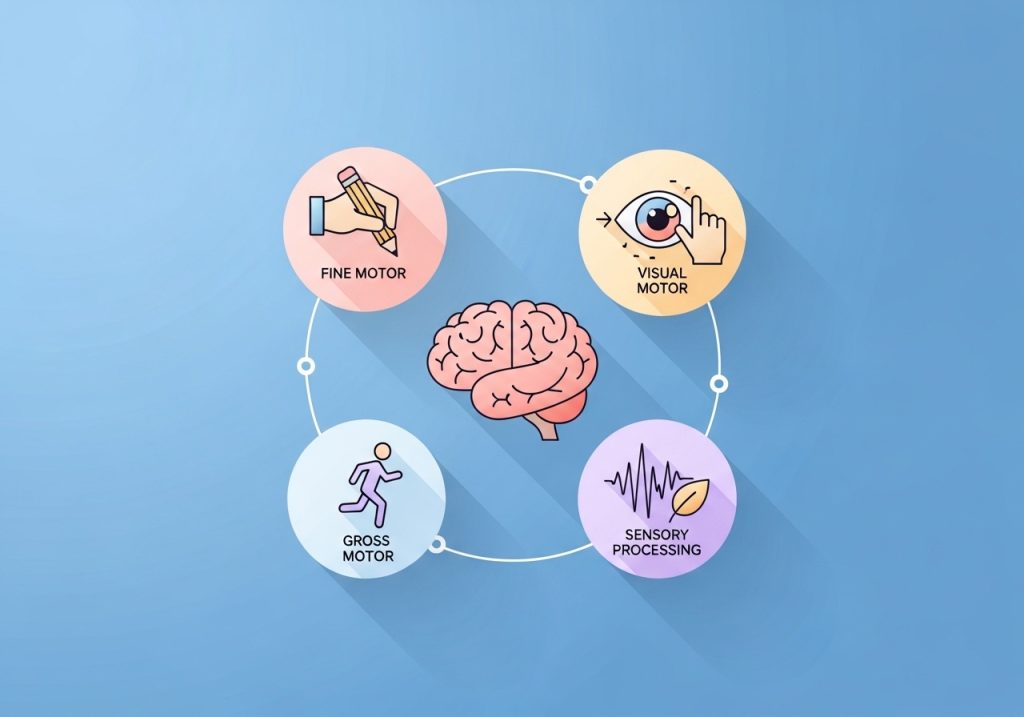
Skill development is a broad term that covers multiple interrelated areas. A child’s ability to participate fully in a classroom, on the playground, or at home depends on the integration of these different components. When we look closely, we can see how they work together to support overall function and learning.
- Fine Motor Skills: These involve the small muscles in the hands and fingers. Activities like writing, buttoning a coat, using scissors, and manipulating small objects rely on well-developed fine motor control. These skills are essential for academic tasks and self-care independence.
- Visual Motor Integration: Often called hand-eye coordination, this is the ability to interpret visual information and respond with a motor action. It is critical for tasks like copying shapes, handwriting, catching a ball, and assembling puzzles. This skill connects what the eyes see with what the hands do.
- Gross Motor Skills: These skills use the large muscle groups for coordinated movements like running, jumping, climbing, and maintaining balance. They are fundamental for physical activity, navigating the environment safely, and maintaining the postural stability needed to sit and attend in the classroom.
- Sensory Processing: This refers to the brain’s ability to receive, interpret, and respond to information from the senses. Efficient sensory processing helps with focus, emotional regulation, and appropriate responses to the environment. It affects a child’s ability to tolerate different textures, sounds, and movements.
- Activities of Daily Living (ADLs): These are the practical, everyday tasks required for self-care, such as dressing, eating with utensils, and personal hygiene. Mastery of ADLs is a primary goal of functional skill development and is directly linked to a child’s independence.
The Role of Skill Development in a Child’s Success
Foundational skills are the building blocks for higher-level learning and personal independence. When a child struggles with a basic motor or sensory skill, it can have a ripple effect across many areas of their life. For instance, a child with poor fine motor control may avoid drawing and writing, which can impact their literacy development and creative expression. A student who has difficulty with sensory processing may find a typical classroom overwhelming, leading to challenges with attention and behavior.
Conversely, strong foundational skills directly contribute to a child’s confidence and willingness to engage in new challenges. A student who can easily manage their backpack, open their lunch containers, and write their name feels capable and independent. This sense of competence empowers them to focus on learning and building social relationships. According to global development organizations like UNICEF, building skills is critical for a child’s future well-being and opportunity. Supporting skill development is about equipping children with the tools they need to navigate their world successfully.
Strategies for Nurturing Effective Skill Development
Facilitating skill acquisition requires a thoughtful and systematic approach. Whether in a therapy session, a classroom, or at home, certain strategies consistently produce positive outcomes. The goal is to create learning experiences that are both challenging and achievable, fostering motivation and steady progress.
- Break Down Complex Tasks: Many activities are made of smaller, individual steps. This process, known as task analysis, is a powerful teaching tool. Teaching a child to tie their shoes, for example, can be broken down into making loops, crossing them, and pulling them tight. Focusing on one step at a time makes the overall task less intimidating and allows the child to experience success along the way.
- Use Multi-Sensory Approaches: Children learn in different ways. Incorporating tactile, auditory, and visual cues can make an activity more engaging and reinforce learning. For example, forming letters in shaving cream or sand provides tactile feedback that writing on paper does not. This can help solidify motor plans and make abstract concepts more concrete.
- Promote Repetition with Variety: Repetition is key to building muscle memory and automaticity. To keep it from becoming boring, present the same skill in different contexts. Practice pincer grasp by picking up beads, tearing paper for a collage, using tongs to move cotton balls, or playing with therapeutic putty. This variety keeps the child engaged while reinforcing the target skill.
- Provide the “Just-Right” Challenge: An activity should be difficult enough to require effort but not so hard that it causes frustration. This balance, known as the “just-right” challenge, keeps children engaged and builds their resilience. Observe the child’s performance and adjust the difficulty as needed. This concept is a key part of many differentiated instruction examples, where activities are modified to meet individual learner needs.
Targeted Activities to Build Essential Skills
Putting strategies into practice requires a toolbox of activities designed to address specific needs. Well-designed worksheets, games, and hands-on tasks can make skill practice feel like play. Here are a few examples for different skill areas:
For Fine and Visual Motor Skills
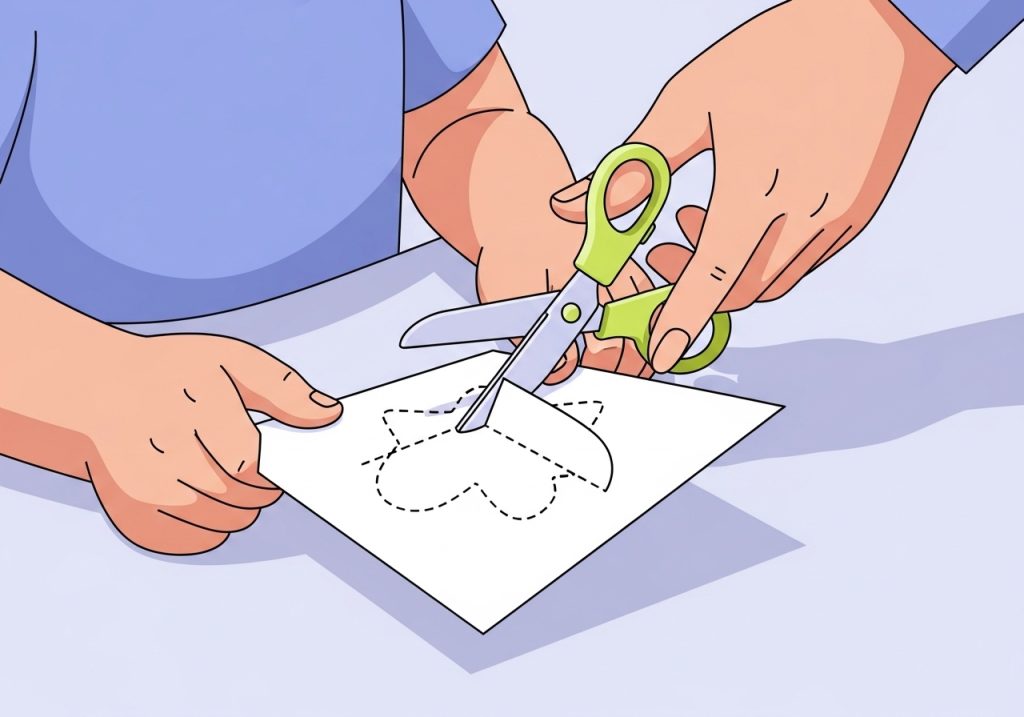
Activities that require precise hand movements and visual guidance are excellent for strengthening these abilities. Worksheets with tracing paths, cutting lines, and connect-the-dots puzzles provide structured practice. Using tools like tweezers to pick up small items or stringing beads onto a lace also builds hand strength and coordination. These foundational exercises are essential if the goal is to improve on handwriting, as they develop the control needed for letter formation.
For Sensory Processing and Regulation
Sensory activities can help children organize their sensory systems, which can improve focus and emotional control. A sensory bin filled with rice, beans, or water beads offers a calming tactile experience. Activities that involve heavy work, like pushing a weighted ball or carrying a stack of books, provide proprioceptive input that can be organizing for many children. For more structured ideas, using a set of evidence-informed sensory activities can help create a predictable and effective routine to support a child’s sensory needs throughout the day.
For Activities of Daily Living
Practice these skills in their natural context whenever possible. Use dressing dolls or practice boards with buttons, zippers, and laces to work on the motor components of getting dressed. To support routines, you can create a preschool visual schedule that works by breaking down a morning or bedtime routine into simple, illustrated steps. Involving children in simple meal preparation, like stirring ingredients or tearing lettuce for a salad, can also build important life skills in a functional and motivating way.
Creating a Consistent Plan for Growth
Progress in skill development comes from consistent, repeated practice integrated into a child’s daily life. A single therapy session or lesson is just one piece of the puzzle. The most significant gains occur when skills are reinforced across different environments, including school and home. Using structured, low-prep resources can help ensure that this practice is both effective and easy to implement for busy therapists, teachers, and caregivers.
By focusing on foundational abilities and using targeted activities, we can empower children to build the competence and confidence they need. A thoughtful approach helps learners overcome challenges and achieve their full potential in all areas of life. It creates a positive cycle where success in one area builds the foundation for tackling the next challenge.
Ready to support your learners with practical, engaging tools? The Inspiring OT offers a wide range of printable activities, worksheets, and guides created by an experienced occupational therapist. Simplify your planning and help children build essential skills with our low-prep, evidence-informed resources. Explore the shop today to find the perfect activities for your therapy sessions, classroom, or home.
Leave a Reply