
Navigating the world of sensory supports can feel overwhelming. A simple search reveals countless options, but how do you choose the most effective sensory toys for autism? The right tool can be a powerful support for regulation, focus, and skill-building, while the wrong one might be ignored or even overstimulating. This guide provides a practical framework for therapists, educators, and parents to help you make informed decisions based on individual sensory needs, ensuring the tools you choose are both engaging and purposeful.
Understanding Sensory Needs Before You Shop
Before selecting a sensory toy, it’s essential to understand the underlying sensory system it is designed to support. Effective choices are not about finding the most popular gadget. They are about matching a specific tool to a specific need. This begins with recognizing that our sensory experiences extend far beyond the five basic senses. This includes our eight sensory systems: proprioceptive (body awareness), vestibular (movement and balance), tactile (touch), visual, auditory, oral, olfactory (smell), and the internal sense of interoception.
Each person with autism has a unique sensory profile. Some individuals may be sensory seekers, meaning they crave intense input like spinning, deep pressure, or loud sounds to feel regulated. Others may be sensory avoiders, finding certain inputs like light touch, unexpected noises, or bright lights to be overwhelming and distressing. Many people experience a combination of seeking and avoiding behaviors across different sensory systems. Identifying whether a learner is seeking or avoiding a particular type of input is the first step in selecting a toy that will help rather than hinder their ability to regulate.
How to Choose Effective Sensory Toys for Autism
With a clearer understanding of a learner’s sensory profile, you can use a more systematic approach to selecting tools. Instead of collecting a bin of random items, consider each potential toy through this lens. A well-chosen sensory toy should meet several key criteria.
- Safety First: Ensure the toy is made from non-toxic materials and is durable enough to withstand its intended use, especially for oral motor tools or items used for heavy work. Check for small parts that could be choking hazards for younger children.
- Match the Sensory Profile: Does the toy provide the specific input the child is seeking or help them tolerate an input they are avoiding? A weighted lap pad is great for a deep pressure seeker but may not be helpful for a child who needs vestibular input.
- Developmental Appropriateness: The toy should align with the learner’s cognitive and motor abilities. A complex fidget might be frustrating for a child still developing fine motor skills, while a simple toy may not engage an older learner.
- Consider the Environment: A toy for home use might be different from one used in a classroom. A quiet, discreet fidget is more appropriate for a school setting than a large, noisy one.
- Align with Interests: A toy is only effective if the child is motivated to use it. Whenever possible, choose sensory tools that align with the child’s preferred colors, themes, or characters to increase engagement.
Toys for Calming Deep Pressure (Proprioceptive)
The proprioceptive system, located in our muscles and joints, tells us about our body’s position in space. Input to this system, often called “heavy work” or “deep pressure,” is known to have a calming and organizing effect on the nervous system. For many autistic individuals, this type of input can reduce anxiety and improve focus. Toys that target this system are excellent for preparing for seated tasks or for use during regulation breaks.
- Weighted Lap Pads and Blankets: These tools provide steady, gentle pressure that can be very calming. They are ideal for use during quiet activities like reading or circle time. Always follow safety guidelines regarding weight, which is typically 5-10% of the user’s body weight.
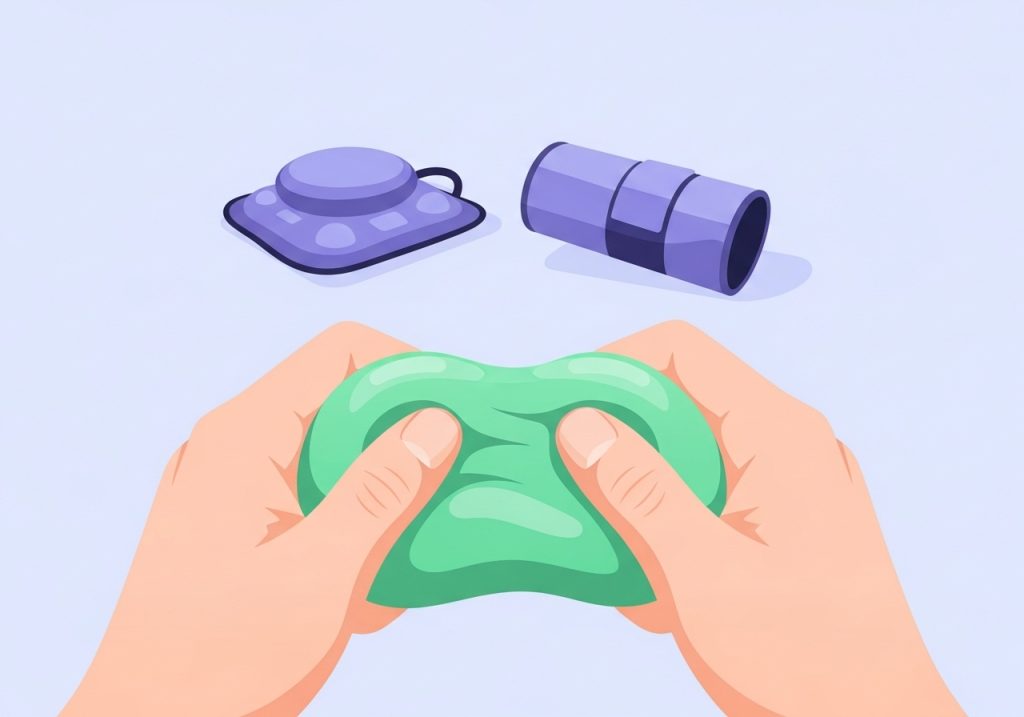
- Therapy Putty: Squeezing, pulling, and rolling therapy putty provides significant resistance to the small muscles in the hands. This is an excellent tool for building hand strength, improving fine motor skills, and serving as a quiet fidget for focus.
- Compression Vests or Clothing: These wearable items offer constant, gentle pressure across the torso, similar to a comforting hug. They can be worn under regular clothes to provide continuous calming input throughout the day.
- Body Socks: A body sock is a stretchy sack that a child can climb inside. It provides full-body deep pressure and resistive feedback as the child moves, making it a fun tool for improving body awareness and motor planning.
Tools for Movement and Balance (Vestibular)
The vestibular system, located in the inner ear, governs our sense of balance, movement, and spatial orientation. Input to this system can be either alerting or calming, depending on the type and intensity of the movement. For children who seek movement, providing safe and appropriate outlets is crucial for regulation. Many of these activities also present excellent opportunities to improve hand eye coordination and motor planning.
- Therapy Swings: Swings offer a variety of movement inputs. Linear swinging (back and forth) is typically calming, while rotational swinging (spinning) is more alerting. Different types, like platform swings or net swings, accommodate different positions and sensory needs.
- Balance Boards and Wobble Cushions: These tools challenge balance and engage core muscles. A wobble cushion can be placed on a chair to allow for subtle movement during seated tasks, which can improve attention for learners who need to move.
- Scooter Boards: Lying on the stomach on a scooter board and propelling with the arms is a powerful heavy work activity. It strengthens the upper body and provides intense vestibular and proprioceptive input.
- Mini Trampolines: A small, indoor trampoline with a handle provides a safe space for jumping. This rhythmic, vertical movement is an excellent way to get organizing input and release excess energy.
Fidgets and Tools for Tactile Input
The tactile system processes information from touch. Some individuals are highly sensitive to certain textures, while others seek out varied tactile experiences. Fidgets are small toys that can be manipulated by the hands, and they often incorporate different textures. They can help improve concentration, reduce anxiety, and provide a discreet outlet for the need to move. Many occupational therapists recommend specific fidgets to support focus and engagement, as they provide a non-distracting outlet for movement (NAPA Center).
- Textured Balls and Objects: Spiky, squishy, or bumpy balls can provide varied tactile input. They can be rolled in the hands or over the arms and legs for a calming sensory experience.
- Sensory Bins: A container filled with materials like dry rice, beans, sand, or water beads allows for immersive tactile exploration. Hiding small objects inside encourages fine motor skill development.
- Quiet Fidgets: For school and other quiet settings, discreet fidgets are best. Options include bike chain fidgets, marble mesh toys, or putty. These allow for manipulation without creating noise or visual distractions for others.
- Stress Balls: A classic tool, squeezing a stress ball provides resistance and deep pressure to the hands. This simple action can be an effective way to relieve tension.
Visual, Auditory, and Oral Motor Supports
Sensory needs extend to all systems, and a well-rounded toolkit should include options that support visual, auditory, and oral motor processing. These tools can help create a more comfortable environment for those with sensitivities or provide needed input for seekers.
Visual Supports
For children who are easily overwhelmed by busy visual environments, calming visual toys can help them focus and regulate. Examples include liquid motion bubblers, which offer slow, predictable movement, and light projectors that can create a soothing atmosphere in a darkened room.
Auditory Supports
Auditory sensitivities are common in autism. Noise-canceling headphones are essential for navigating loud spaces like school cafeterias or assemblies. For focus during quiet work, a white noise machine can help mask distracting background sounds.
Oral Motor Supports
Many children with autism seek oral motor input and may chew on non-food items like clothing or pencils. Providing safe alternatives is important. Chew necklaces and bracelets made from food-grade silicone offer a durable and appropriate outlet for this need. Vibrating teethers can also provide intense, organizing oral input.
Integrating Sensory Tools into Everyday Routines
Simply having a collection of sensory toys is not enough. The true benefit comes from thoughtfully integrating them into daily life. The goal is to move from reactive use (grabbing a toy after a child is upset) to proactive integration, where tools are part of a predictable and supportive routine. Research into therapeutic toy design highlights the importance of creating play opportunities that are not just sensory-rich but also socially engaging and developmentally appropriate (Tseng et al., 2016).
- Create a Sensory Corner: Designate a quiet, comfortable space at home or in the classroom with a few sensory tools. This “calm-down corner” gives a child a safe place to go when they feel overwhelmed and need to regulate.
- Incorporate into Schedules: Build sensory breaks into the daily schedule. A visual schedule can show a child when it is time for a movement break on the trampoline or quiet time with putty. Integrating these tools is a key part of effective, OT-informed classroom management strategies.
- Use for Transitions: Transitions between activities can be challenging. Offering a fidget to hold while waiting in line or a chewable necklace to use during car rides can make these periods much smoother.
- Empower the Learner: As children get older, teach them to recognize their own sensory states. Help them learn which tools make their bodies feel calm and focused so they can begin to advocate for their own needs.

Choosing the right sensory toy is a process of observation, understanding, and intentional selection. By focusing on the individual’s unique sensory profile instead of the latest trend, you can provide tools that genuinely support their regulation, attention, and participation in daily activities. This thoughtful approach empowers you to build a sensory toolkit that is not just fun, but truly functional.
Ready to put these ideas into action? Finding practical, engaging, and low-prep resources can make all the difference. The Inspiring OT shop offers a wide range of downloadable activities and tools designed by an experienced occupational therapist to support skill development. Explore our collection of printable resources to help learners build fine motor, sensory, and self-regulation skills in a fun and accessible way. Visit The Inspiring OT store today to find your next great therapy, classroom, or home activity.
Leave a Reply