
Pediatric occupational therapy (OT) is a specialized field that helps children gain independence and participate in the meaningful activities, or ‘occupations,’ of their daily lives. For children, these occupations include everything from playing with friends and learning at school to getting dressed and eating a meal. When a child faces challenges in these areas, pediatric OT provides the support and strategies needed to build skills, improve confidence, and foster successful participation. This type of therapy focuses on helping children develop the skills they need to engage fully in the world around them.
Understanding the Foundation of Pediatric Occupational Therapy
The core principle of pediatric occupational therapy is that children learn and develop through purposeful activity. An OT’s approach is client-centered and holistic, looking at the whole child, their environment, and the specific tasks they want or need to do. Instead of just focusing on a single deficit, an OT analyzes how different factors interact. These factors can include physical abilities, cognitive skills, sensory processing, and social-emotional needs. A therapist’s goal is to understand the complete picture of a child’s experience to create effective interventions.
Using play-based and activity-based interventions, therapists create engaging sessions that feel like fun but are carefully designed to target specific goals. For example, a game involving stringing beads might be used to improve fine motor dexterity and hand-eye coordination. Building an obstacle course can help with motor planning, balance, and following directions. According to the health platform Dementech, paediatric occupational therapy focuses on helping children develop the skills they need to participate in these daily activities. This method helps children develop the foundational skills necessary to thrive in their key environments: home, school, and the community.
Key Skill Areas Addressed in Pediatric OT
Pediatric OTs work on a wide spectrum of skills. While every child’s needs are unique, interventions commonly focus on a few key developmental areas that are essential for growth and independence.
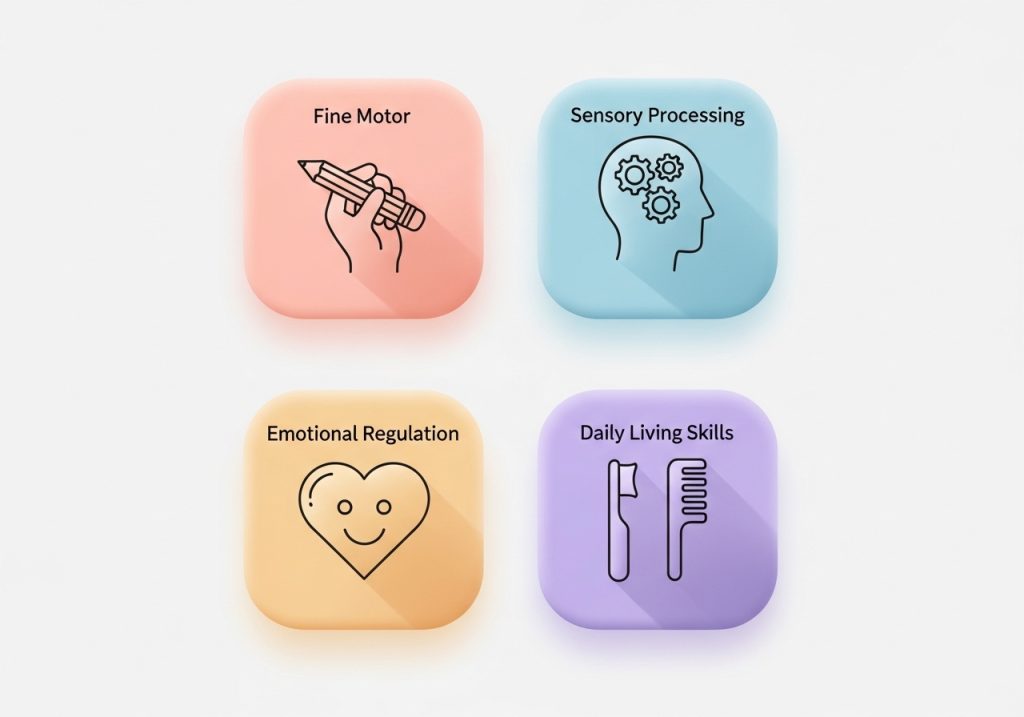
- Fine and Visual Motor Skills: This includes the small muscle movements of the hands required for tasks like writing, cutting with scissors, buttoning a shirt, or using utensils. It also involves visual motor integration, which is the ability to coordinate visual information with motor movements, essential for handwriting and catching a ball. Activities might involve using tweezers to pick up small objects, tracing shapes, or completing connect-the-dots puzzles.
- Sensory Processing and Integration: OTs help children who have difficulty processing and responding to sensory information from their environment. This can include over-sensitivity or under-sensitivity to touch, sounds, or movement. A child might be easily overwhelmed by noisy classrooms or avoid messy play. Interventions aim to help children regulate their sensory systems to better manage attention, emotions, and behavior, often through a carefully planned “sensory diet” of activities.
- Emotional Regulation and Social Skills: Occupational therapists can support children in learning to understand and manage their emotions, cope with frustration, and interact appropriately with peers. This might involve practicing turn-taking, understanding social cues, or developing calming strategies. Through role-playing and structured social groups, children can build confidence and competence in social situations.
- Activities of Daily Living (ADLs): These are the fundamental self-care tasks that are part of a daily routine. OTs can help children master skills like dressing, grooming, bathing, and feeding themselves independently. They might break down complex tasks into smaller, manageable steps or introduce adaptive tools to make tasks easier, such as button hooks or specialized utensil grips.
The Collaborative Role of a Pediatric OT Professional
A pediatric OT professional rarely works in isolation. A critical part of the job is collaborating with the key people in a child’s life. The process typically starts with a comprehensive evaluation to identify the child’s strengths and areas of difficulty. This involves standardized assessments, clinical observations of the child performing tasks, and interviews with parents and teachers to gather information about the child’s performance in different environments.
Based on the evaluation, the OT develops an individualized intervention plan with measurable goals. These goals are created in partnership with the family to ensure they are meaningful and relevant to their daily routines. Throughout the therapy process, the OT provides education and strategies for parents, caregivers, and school staff to use. This team-based approach ensures consistency and helps the child practice new skills across different settings, which is essential for lasting progress. Research from the National Institutes of Health highlights the importance of the therapeutic relationship between children, caregivers, and therapists in achieving positive outcomes.
Signs a Child Might Benefit from OT Support
It can be difficult for parents and educators to know if a child’s struggles are a typical part of development or a sign that they need more support. While not a diagnostic tool, the following list includes some common indicators that a child might benefit from an occupational therapy evaluation:
- Difficulty with handwriting, such as poor letter formation, inconsistent spacing, or significant hand fatigue after writing for a short time.
- Challenges with age-appropriate self-care tasks like using zippers and buttons, tying shoes, or managing utensils without making a large mess.
- Avoidance of or extreme reactions to certain sensory inputs, like textures of food or clothing, loud noises, or light touch.
- Appearing unusually clumsy, having poor balance, frequently bumping into objects, or struggling with coordination for activities like riding a bike or playing sports.
- Trouble with focus and attention, appearing overactive, or having difficulty managing big emotions in the classroom or at home.
- Difficulty playing and interacting with other children, such as not knowing how to join in a game, share toys, or take turns.
Supporting Skill Development with Practical Resources
Whether in a therapy clinic, a classroom, or at home, consistent practice is key to building new skills. Well-designed resources can make this practice both effective and enjoyable. For therapists and teachers, low-prep printable activities and worksheets provide a simple way to target specific goals without extensive planning time. These tools can be easily adapted for different skill levels and integrated into existing lesson plans or therapy sessions. For parents, these tools offer a clear, structured way to reinforce what a child is learning in therapy, turning homework into a positive and engaging experience.
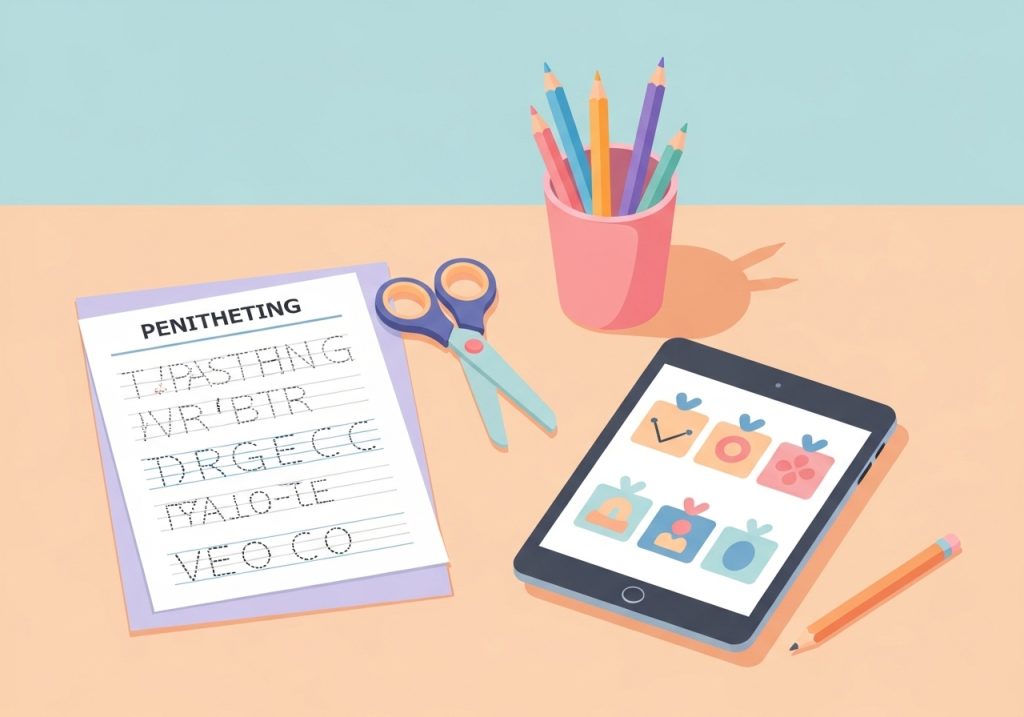
From fine motor activity packs and handwriting guides to sensory processing toolkits and emotional regulation charts, resources created by an experienced occupational therapist can help translate clinical goals into practical, everyday activities. Using these materials helps ensure that the skill-building process is motivating and supports the child’s progress toward greater independence. When children are given activities that are fun and feel achievable, they are more likely to stay engaged and build confidence alongside their new skills.
Fostering Growth Through Meaningful Activities
Ultimately, pediatric OT is about empowering children to navigate their world with confidence. By addressing the foundational skills needed for learning, playing, and self-care, occupational therapists help children overcome challenges and achieve their full potential. The focus is always on the child’s unique journey, using meaningful activities to build a strong foundation for lifelong success. The goal is not perfection but participation. Providing children with the right tools and strategies gives them the ability to participate more fully in the simple, important occupations of being a kid, from signing their name on a piece of art to joining a game on the playground.
Looking for practical, OT-created resources to support skill development? Explore The Inspiring OT shop for engaging, low-prep printables and activities designed to help learners thrive at home, in the classroom, and in therapy. Find the tools you need to make skill-building successful and fun.
Leave a Reply