
Finding the right materials to support skill development can be a constant challenge for educators, therapists, and parents. While countless worksheets are available online, not all are created equal. High-quality instructional materials have a significant impact on student learning outcomes, making the source and design of these tools critically important. This is where professionally designed, teacher created resources make a difference. When developed by an experienced professional, like an occupational therapist, these materials are not just activities; they are purposeful tools designed to build foundational skills effectively and engagingly. They bridge the gap between clinical knowledge and practical application, providing ready-to-use solutions for the classroom, clinic, and home.
Fine Motor Activity Packs for Hands-On Learning
Fine motor skills are the foundation for many school-based tasks, including writing, cutting, and managing clothing fasteners. Fine Motor Activity Packs are curated collections of printable activities designed to strengthen the small muscles in the hands and improve coordination. These packs move beyond simple worksheets, offering varied and engaging tasks that keep children motivated.
A well-designed pack will include a range of activities targeting different aspects of fine motor control. These often include tracing paths to improve pencil control, cutting shapes to build scissor skills, hole punching to develop hand strength, and coloring within boundaries to enhance precision. By using themed packs (like seasons or holidays), these essential practice sessions can feel more like play than work.
Key Features
- Low-Prep Design: Most activities are print-and-go, saving valuable planning time for busy professionals and parents.
- Skill Progression: Activities are often designed with varying levels of difficulty, allowing you to meet the learner exactly where they are.
- Multi-Component Tasks: Many activities combine several skills at once, such as coloring, cutting, and pasting, for more comprehensive practice.
- Engaging Themes: Fun and relevant themes capture children’s interest and encourage participation.
Who It’s Best For
These activity packs are ideal for occupational therapists looking for ready-made materials for therapy sessions, preschool and elementary teachers needing activities for morning work or fine motor centers, and parents who want to support fine motor development at home. They are especially useful for building pre-writing skills in a structured yet enjoyable format.
Sensory Diet Toolkits for Regulation
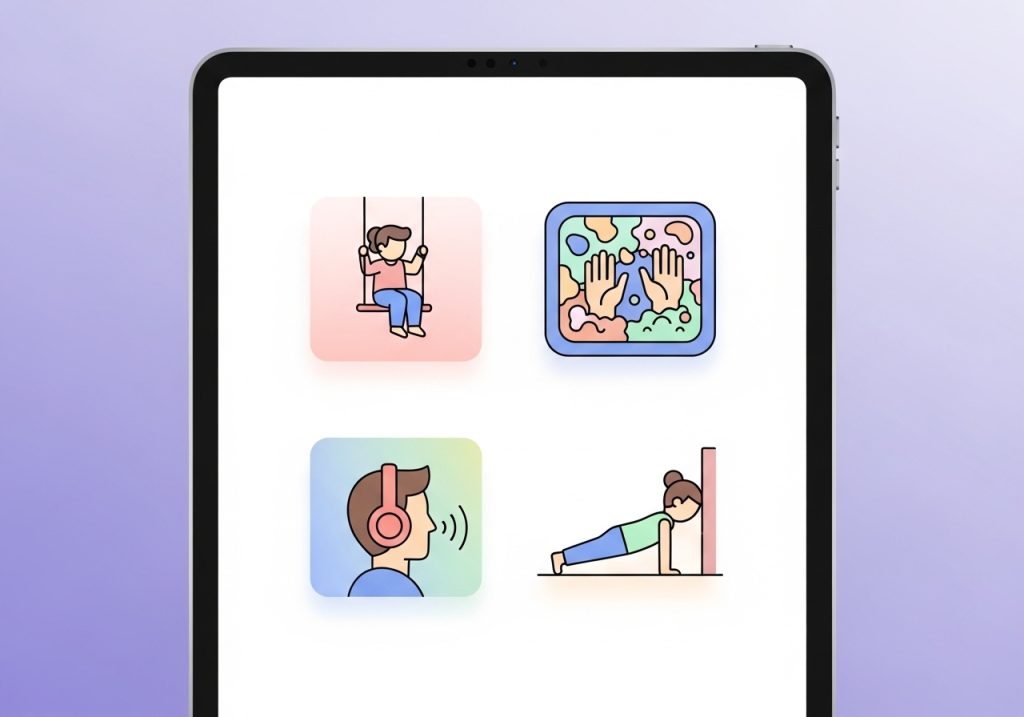
A “sensory diet” is a personalized plan of sensory activities that helps a person maintain an optimal level of arousal and attention throughout the day. A Sensory Diet Toolkit provides the visual supports and guides needed to implement this strategy effectively. These toolkits are not just a collection of activities; they are a system for helping children understand their sensory needs and learn to use strategies for self-regulation.
A typical toolkit includes visual activity cards showing different sensory inputs (e.g., wall pushes, jumping jacks, deep breathing), choice boards, and schedules. These visual aids empower children to identify what their bodies need and communicate their needs to adults. For educators and therapists, the guides included often explain the “why” behind each activity, connecting it to a specific sensory system (proprioceptive, vestibular, tactile) and its regulatory effect.
Key Features
- Visual Supports: Clear and simple images help non-readers or children with communication challenges understand and use the strategies.
- Structured and Customizable: Provides a framework that can be easily tailored to an individual child’s specific sensory profile.
- Educational Component: Often includes informational sheets for adults to better understand sensory processing and how to co-regulate with a child.
- Portable Format: Printable cards can be put on a keyring and taken anywhere, ensuring consistency across environments.
Who It’s Best For
Sensory Diet Toolkits are essential for school-based OTs, special education teachers, and parents of children with sensory processing disorder, ADHD, or autism. They provide a practical way to create a calmer classroom or home environment by proactively addressing sensory needs instead of only reacting to dysregulation.
Handwriting Practice for Legibility and Confidence
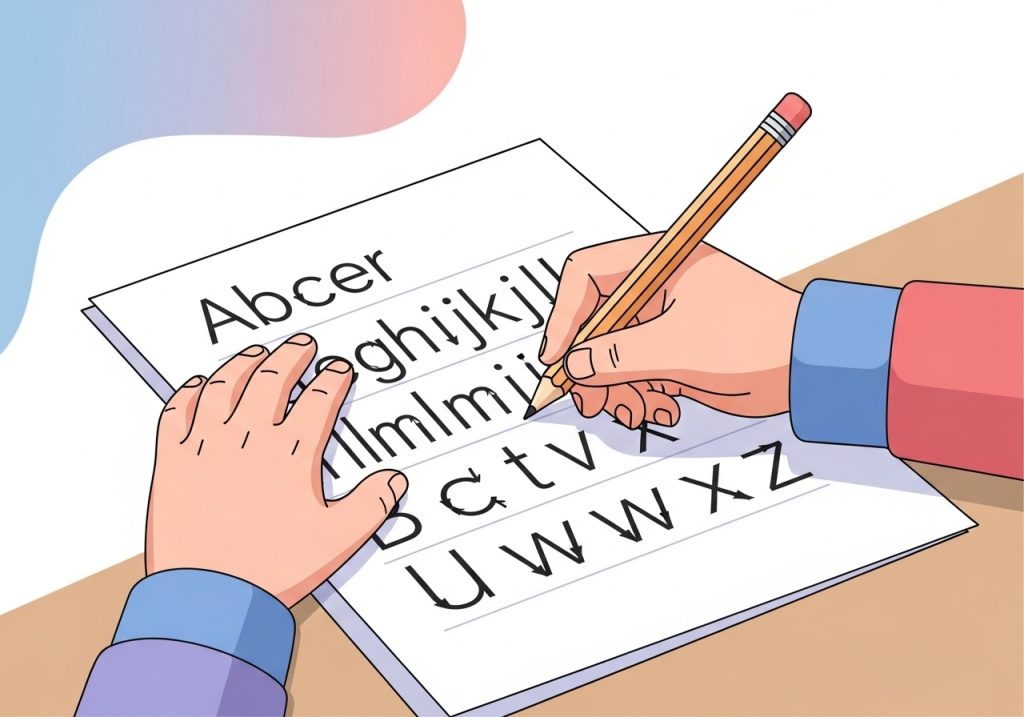
Effective handwriting instruction goes far beyond rote memorization of letter shapes. OT-designed handwriting worksheets focus on the developmental components of writing: correct letter formation, appropriate sizing and spacing, and consistent placement on the line. The goal is to build motor memory for efficient, legible writing that becomes automatic over time, freeing up cognitive resources for focusing on content.
These resources often incorporate multisensory learning principles. For example, they might use directional arrows, start dots, and numbered steps to guide proper letter formation. Some materials break down letters into familiar shapes (e.g., “magic c” in Handwriting Without Tears), making the process less intimidating. The focus is on quality of practice over quantity, ensuring that children are building good habits from the start.
Key Features
- Developmentally Sequenced: Letters are often taught in groups based on their starting strokes, which is a more logical approach than alphabetical order.
- Focus on Core Components: Materials address size, spacing, alignment, and formation, not just letter recognition.
- Clean and Simple Layout: Worksheets are typically uncluttered to minimize visual distraction and help students focus on the task.
- Integrated Practice: Practice often moves from tracing individual letters to writing words and sentences to promote generalization.
Who It’s Best For
These practice sheets are invaluable for occupational therapists working on specific handwriting goals with students. They are also highly beneficial for elementary teachers looking for supplemental practice materials that align with effective teaching methods, such as the Handwriting Without Tears curriculum. Homeschool educators will also find them useful for providing structured writing instruction.
Visual Motor Integration Worksheets
Visual motor integration is the ability to coordinate visual information with motor movements. This skill is crucial for tasks like copying from the board, forming letters, and spacing words correctly. Worksheets designed to target this skill include activities that require the eyes to guide the hands in precise movements.
Examples of visual motor activities include copying geometric shapes, completing mazes, drawing paths between lines, and connecting dots (e.g., dot-to-dots). More advanced tasks might involve reproducing complex block designs on paper. These activities train the brain to process visual information and translate it into an accurate motor response, strengthening the connections needed for academic success. According to research from EdReports, using high-quality instructional materials is one of the most effective ways to improve student learning outcomes across all subjects.
Key Features
- Graded Difficulty: Activities progress from simple lines and shapes to more complex patterns and designs.
- Targeted Skill Building: Each worksheet is designed to isolate and strengthen a specific aspect of visual-motor coordination.
- Variety of Formats: The use of mazes, puzzles, and drawing tasks keeps practice from becoming repetitive.
- Minimal Language Demands: Most activities rely on visual instructions, making them accessible to students with language-based learning disabilities or English language learners.
Who It’s Best For
Therapists use these worksheets to target specific visual-motor deficits identified during assessment. Teachers find them useful as warm-up activities before writing tasks or for students who struggle with spatial awareness on the page. They serve as excellent pre-writing skill builders for preschoolers and kindergarteners.
Our Approach to Teacher Created Resources
Not all teacher created resources offer the same level of quality or intentionality. The materials at The Inspiring OT are grounded in nearly two decades of clinical experience as an occupational therapist. This background ensures that every resource is not just a worksheet, but a tool designed with a deep understanding of child development and the science of learning. Research confirms that effective teaching practices are supported by a strong foundation in how children learn and develop, and our resources reflect this evidence-informed approach.
Key Features of Our Approach
- Designed by a Professional: Every activity is created and vetted by a licensed OT who has used these same strategies with hundreds of children in schools, clinics, and hospitals.
- Purposeful and Practical: Resources are designed to be low-prep and easy to implement because they were created to solve real-world problems faced by therapists and teachers.
- Developmentally Appropriate: Activities are carefully sequenced and designed to meet learners at their current skill level while providing a gentle push toward the next developmental step.
- Holistic View: The resources address the whole child, recognizing that skills like handwriting are connected to sensory processing, emotional regulation, and motor control.
Who It’s Best For
This approach is for any educator, therapist, or parent who wants to be confident that the materials they are using are not only engaging but also grounded in best practices for skill development. It is for those who value quality and purpose over quantity.
Social-Emotional Learning Guides
Social-emotional learning (SEL) is the process of developing the self-awareness, self-control, and interpersonal skills that are vital for success in school and life. SEL guides provide structured activities and visual aids to help children learn to identify their feelings, understand social cues, and develop appropriate coping strategies.
These guides often include tools like emotion flashcards, “size of the problem” visuals, and scenario cards for role-playing social situations. A key component is often a framework for self-regulation, which helps children connect their feelings to their energy levels and choose strategies to manage them. By using a concrete, visual system, abstract concepts like emotions become easier for children to understand and talk about.
Key Features
- Concrete Visuals: Tools like feeling thermometers and emotion charts make abstract concepts tangible.
- Structured Activities: Provides a safe and predictable format for discussing sensitive topics like feelings and social conflicts.
- Common Language: Establishes a shared vocabulary for students and adults to use when discussing emotions and regulation.
- Proactive Strategies: Focuses on teaching coping skills and problem-solving before a crisis occurs.
Who It’s Best For
SEL guides are essential for school counselors, special education teachers, and general education teachers looking to integrate SEL into their daily routines. They are also incredibly helpful for therapists working on social skills and emotional regulation goals, as well as parents who want to support their child’s emotional growth at home.
Ultimately, the most effective teacher created resources are those born from expertise and a genuine understanding of learners’ needs. By choosing materials designed by experienced professionals, you can save time, reduce frustration, and provide targeted, effective support that helps every child succeed.
Ready to bring purposeful, OT-designed activities into your classroom, clinic, or home? Explore our collection of practical, low-prep resources created to make skill-building engaging and effective for every learner. Visit The Inspiring OT shop on Teachers Pay Teachers to find the tools you need to support successful growth.
Leave a Reply